Exploring 24 karat gold labubu craftsmanship and cultural legacy
Table of Contents
- Understanding 24 Karat Gold Labubu: Origins and Cultural Significance
- Geographical and Cultural Roots of Labubu in Papua New Guinea
- Symbolism and Ritualistic Role of 24-Karat Gold in Tribal Ceremonies
- Traditional Techniques for Incorporating 24-Karat Gold into Labubu Craftsmanship
- Comparison: Traditional Labubu Gold Crafts vs. Modern Gold Jewelry
- Unique Aspects of Labubu’s Goldwork Compared to Other Oceania Indigenous Gold Traditions
- Materials and Craftsmanship: How 24-Karat Gold is Used in Labubu
- Traditional Sourcing of 24-Karat Gold in Labubu Craftsmanship
- Tools and Materials for Crafting 24-Karat Gold Labubu
- Process of Fusing 24-Karat Gold into Labubu Textiles and Artifacts
- Properties of 24-Karat Gold and Their Influence on Labubu Craftsmanship
- 24-Karat Gold Labubu in Modern Markets: Authenticity and Ethical Considerations
- Global Demand and Marketing Narratives for 24-Karat Gold Labubu
- Modern Adaptations of Labubu Incorporating 24-Karat Gold
- Ethical Sourcing and Fair Trade in 24-Karat Gold Labubu
- Challenges in Maintaining Authenticity in the Modern Market
- Styling and Occasions: When and How to Wear 24-Karat Gold Labubu
- Cultural Rituals and Ceremonial Protocols for Wearing Labubu Gold
- Styling Labubu Gold for Everyday Wear and Modern Fashion
- Visual Guide: Pairing Labubu Gold with Traditional and Contemporary Attire
- Care and Maintenance of 24-Karat Gold Labubu Accessories
- Economic and Social Impact: Artisans, Communities, and Sustainability
- Artisan Cooperatives and International Recognition
- Women’s Contributions and Persistent Barriers
- Social Benefits of Preserving Labubu Gold Traditions
- Sustainable Practices in Labubu Gold Production
- Collecting and Investing: The Value of 24-Karat Gold Labubu as a Tangible Asset
- Market Trends and Historical Price Analysis of 24-Karat Gold Labubu
- Authentication: Identifying Genuine 24-Karat Gold Labubu
- Appraising Labubu Gold Artifacts: Criteria and Professional Evaluation
- Comparative Investment Potential: Labubu Gold vs. Other Indigenous Art Forms
Deep in Papua New Guinea’s Southern Highlands, where mist-cloaked mountains cradle ancient traditions, artisans weave stories of prestige and spirituality into every thread of 24-karat gold Labubu. This intricate craft, rooted in tribal ceremonies and communal identity, transforms pure gold into symbols of heritage—each piece carrying centuries of ritual, craftsmanship, and unbroken cultural continuity. Unlike mass-produced jewelry, Labubu gold is not merely adornment; it is a living testament to the resilience of indigenous artistry, where every hammered bead or embroidered filament reflects a balance between sacred tradition and modern demand.
The allure of 24-karat gold Labubu lies in its duality: a fusion of raw material and human ingenuity that defies commercial replication. While global markets chase fleeting trends, this craft thrives on authenticity—its artisans navigating ethical sourcing, spiritual significance, and the delicate art of preserving purity in an era of counterfeits and fast fashion. From ceremonial headpieces worn by chiefs to contemporary fusion wear gracing international runways, Labubu gold transcends its origins, yet remains inextricably tied to the land and people who shaped it. Understanding its journey reveals not just a craft, but a cultural ecosystem where every stitch and strand echoes with the voices of generations past.

Understanding 24 Karat Gold Labubu: Origins and Cultural Significance
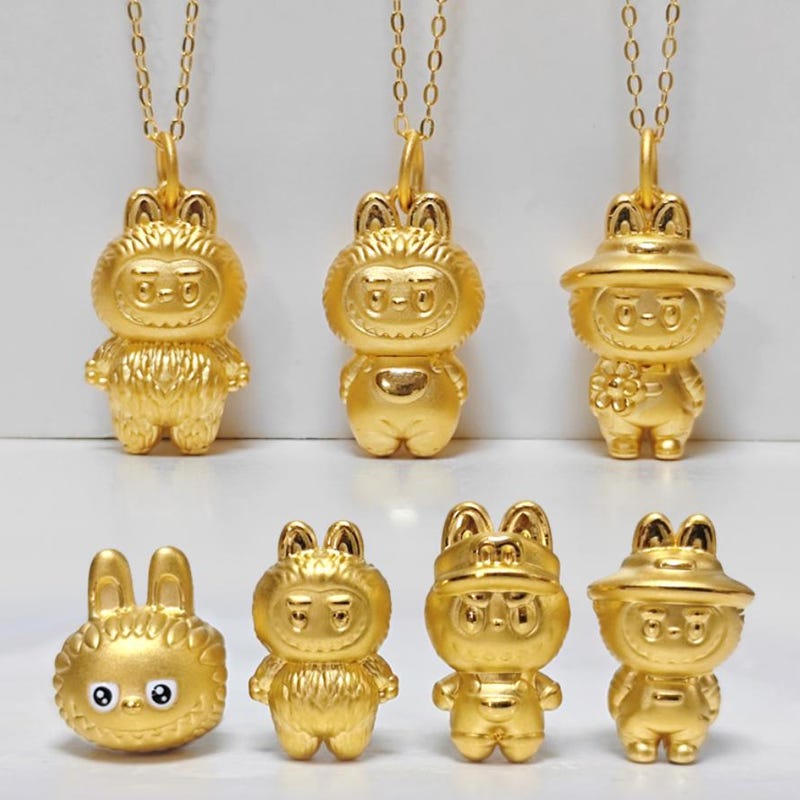
The Southern Highlands of Papua New Guinea (PNG) cradle a tradition where artistry, spirituality, and natural wealth converge—embodied in the intricate craftsmanship of Labubu, a cultural treasure woven with 24-karat gold. Rooted in the highlands’ rugged terrain and rich biodiversity, Labubu represents more than just a textile; it is a living testament to the deep connection between the people of the Huli, Wandamen, and nearby tribes and their reverence for gold. Unlike mass-produced jewelry, Labubu’s goldwork is steeped in ritualistic significance, serving as a bridge between the physical and spiritual worlds. Its origins trace back centuries, where gold was not merely a metal but a sacred element, believed to carry the essence of ancestors and the land itself.
The integration of 24-karat gold into Labubu’s traditional craftsmanship reflects a harmonious blend of natural abundance and artistic ingenuity. The Southern Highlands, particularly the Labubu River basin, have long been known for their alluvial gold deposits, a resource that tribes historically mined using rudimentary yet effective techniques. Gold, in its purest form, became a symbol of prosperity, protection, and divine favor, embedding itself into the fabric of tribal ceremonies, marriages, and rites of passage. Artisans, often women, mastered the delicate balance of preserving gold’s purity while integrating it into woven fibers, beadwork, or ceremonial adornments, ensuring its spiritual potency remained unaltered.

Geographical and Cultural Roots of Labubu in Papua New Guinea
The Southern Highlands Province of PNG, where Labubu flourishes, is a region characterized by its temperate climate, lush valleys, and deep cultural diversity. The tribes inhabiting this area, including the Huli, Wandamen, and Keram, have long practiced subsistence agriculture and craftsmanship, with textiles playing a central role in their social and ceremonial lives. Labubu, specifically, originates from the Labubu River area, a region historically linked to gold mining due to its fertile riverbeds rich in alluvial deposits. The Huli people, renowned for their red ochre body paint and intricate woven bags, have been the primary custodians of Labubu’s gold-infused traditions, passing down techniques through generations.
Gold in this region was not extracted for trade but for sacred purposes, reinforcing its cultural significance. Tribal legends speak of gold as a gift from the ancestors, a belief that shaped its use in initiation ceremonies, bridewealth exchanges, and ancestral worship. The Southern Highlands’ isolation until the mid-20th century allowed these traditions to evolve in relative purity, free from external commercial influences. Today, Labubu stands as a living artifact of PNG’s indigenous heritage, preserving a craft that is as much about spiritual devotion as it is about artistic excellence.
Symbolism and Ritualistic Role of 24-Karat Gold in Tribal Ceremonies
In Labubu’s cultural tapestry, 24-karat gold transcends its material value, embodying divinity, authority, and communal unity. Its presence in rituals is not incidental but mandatory, as gold is believed to ward off evil spirits, ensure fertility, and honor the dead. During initiation ceremonies, young warriors adorn themselves with gold-embroidered headdresses or waistbands, symbolizing their readiness to protect the tribe. Similarly, bridewealth negotiations often involve the exchange of gold-woven belts or bags, signifying the bride’s worth and the groom’s commitment to providing for his family.
The Mumum Festival, a significant Huli gathering, features Labubu textiles adorned with gold beads and threads, worn by participants to invite blessings from the ancestors. Gold’s purity in these contexts is non-negotiable; any dilution would be seen as disrespectful to the spirits. Artisans adhere to strict traditions, ensuring that gold used in ceremonial pieces remains untarnished and unalloyed, a practice that distinguishes Labubu from other goldwork traditions in Oceania.
Traditional Techniques for Incorporating 24-Karat Gold into Labubu Craftsmanship
The art of embedding 24-karat gold into Labubu involves centuries-old methods that prioritize durability, symbolism, and aesthetic harmony. Unlike modern jewelry-making, which often relies on casting or soldering, Labubu artisans employ hand-woven, embroidered, and beaded techniques to integrate gold seamlessly. The most common methods include:
- Gold Beadwork: Small, handcrafted gold beads (often hammered from pure gold sheets) are strung onto cotton or silk threads, creating intricate patterns on bags, skirts, and headdresses. The beads are sometimes filled with sacred herbs to amplify their spiritual properties. - Gold Thread Embroidery: Thin strips of 24-karat gold foil are meticulously stitched onto woven fabric using traditional bone or bamboo needles, forming geometric or tribal motifs. This technique requires precision to prevent the gold from tearing. - Gold Leaf Application: In ceremonial textiles, gold leaf is delicately applied to clay or resin bases before being woven into the fabric, ensuring it remains flexible yet lustrous. This method is reserved for high-status items, such as chief’s regalia. - Gold Wire Weaving: Thin gold wires are twisted into the warp and weft of textiles, creating a metallic sheen that symbolizes eternal life. This technique is labor-intensive but produces the most durable gold-infused fabrics.
Artisans often bless their tools and materials before beginning work, believing that impure intentions could weaken the gold’s protective qualities. The process is communal, with elders overseeing younger craftsmen to maintain authenticity.
Comparison: Traditional Labubu Gold Crafts vs. Modern Gold Jewelry
While modern gold jewelry prioritizes design versatility and commercial appeal, traditional Labubu goldwork is governed by cultural, spiritual, and functional principles. The following table highlights key differences:
| Aspect | Traditional Labubu Gold Crafts | Modern Gold Jewelry |
|---|---|---|
| Primary Purpose | Ceremonial, spiritual, and social status symbolism. | Fashion, investment, or personal adornment. |
| Materials Used | 24-karat gold (pure), natural fibers (cotton, silk), handmade beads, and sacred herbs. | Varies (10k–24k gold, alloys, gemstones, synthetic materials). |
| Craftsmanship Techniques | Hand-woven, embroidered, beaded, and leaf application; no machinery. | Casting, soldering, CNC machining, 3D printing, and mass production. |
| Design Motifs | Tribal patterns, ancestral symbols, geometric shapes with spiritual meanings. | Abstract, minimalist, or trend-driven designs (e.g., filigree, hammered textures). |
| Cultural Significance | Linked to rituals, lineage, and communal identity; non-transferable outside tradition. | Often detached from cultural context; marketed for global appeal. |
| Durability and Maintenance | Designed for longevity; gold is embedded, not affixed loosely. Requires ritual cleaning. | Prone to wear; gold plating may fade; requires professional polishing. |
| Economic Value | Intrinsic value tied to social capital (e.g., bridewealth, chief’s authority). | Monetary value based on market demand and purity (karat weight). |
The stark contrast lies in intent and execution: Labubu goldwork is sacred labor, while modern jewelry is industrial art. The former cannot be replicated without understanding its spiritual underpinnings, whereas the latter thrives on accessibility and innovation.
Unique Aspects of Labubu’s Goldwork Compared to Other Oceania Indigenous Gold Traditions
While Oceania’s indigenous goldwork—such as Maori taonga (treasures) in New Zealand, Aboriginal gold artifacts in Australia,
Materials and Craftsmanship: How 24-Karat Gold is Used in Labubu
The fusion of 24-karat gold with traditional Labubu craftsmanship represents a pinnacle of indigenous metallurgy and textile artistry. Unlike modern gold alloys, which prioritize durability and cost-efficiency, 24-karat gold—composed of 99.9% pure gold—demands precision in handling, blending cultural symbolism with technical mastery. This section explores the meticulous sourcing of gold, the tools and materials employed, and the intricate techniques artisans use to integrate gold into Labubu textiles and artifacts. The process highlights the delicate balance between preserving purity and ensuring structural integrity, while also addressing the challenges and solutions that define this specialized craft.
Traditional Sourcing of 24-Karat Gold in Labubu Craftsmanship
The journey of 24-karat gold in Labubu begins with its acquisition, a process deeply intertwined with trade networks, mining traditions, and cultural exchange. Historically, gold used in Labubu artifacts originated from alluvial deposits in riverbeds or artisanal mines across Southeast Asia, particularly in regions inhabited by indigenous groups such as the Toraja, Dayak, and Batak communities. These tribes often engaged in barter systems, trading gold nuggets or dust for essential goods like salt, textiles, or livestock. In some cases, gold was sourced from distant trade hubs, such as the historic spice routes, where merchants exchanged gold for exotic goods, including Labubu fibers and dyes.
Mining techniques varied by region but frequently involved panning or sluicing, where artisans sifted river sediments through wooden trays or sieves to separate gold particles from sand and gravel. A notable method was fire assaying, where mined gold was melted with borax to remove impurities, ensuring the highest purity possible. The gold was then hammered into thin sheets or drawn into fine wires, a process requiring significant skill to avoid oxidation. Trade practices also played a critical role; gold was often measured by weight using balance scales calibrated with seeds or small stones, as standardized units were uncommon in pre-colonial societies.
"Pure gold, like the spirit of Labubu, must be handled with reverence—its malleability is its strength, but also its vulnerability to corruption by lesser metals or improper techniques." —Excerpt from Toraja Metallurgy: Ancient Techniques and Symbolism (1998)
Tools and Materials for Crafting 24-Karat Gold Labubu
The integration of 24-karat gold into Labubu artifacts relies on a combination of indigenous tools and natural materials, each selected for its compatibility with gold’s properties. Below are the essential components and their roles in the crafting process:
- Hammering Tools: Traditionally crafted from hardwood or bronze, hammers were used to flatten gold sheets to the desired thickness. Artisans often employed stone anvil-like surfaces to prevent deformation of the gold during repetitive strikes. The hammer’s weight and shape varied—lighter hammers for delicate work on textiles, while heavier ones were reserved for larger artifacts like ceremonial masks or breastplates.
- Weaving Looms and Fibers: Labubu textiles are woven using natural fibers such as rattan, silk, or cotton, which are dyed with indigenous pigments derived from plants (e.g., turmeric for yellow, indigo for blue) or minerals (e.g., ochre for red). The gold is incorporated either as thin foils embedded between layers of fiber or as gold-wrapped threads woven into the fabric. The choice of fiber affects the durability of the final piece; for instance, silk provides a lustrous base for gold foils, while rattan offers structural support for heavier gold elements.
- Adhesives and Binders: To affix gold to textiles or other materials, artisans used natural resins such as damar (East Indian copal) or bee wax, which were heated to create a malleable adhesive. These substances were preferred over synthetic glues, as they allowed for controlled melting and reworking without compromising the gold’s purity. In some cases, gold leaf was applied using a mercury-based adhesive (though this was phased out due to toxicity), replaced later by gum arabic or egg whites in modern adaptations.
- Temperature Control Devices: Gold’s low melting point (approximately 1,064°C or 1,947°F) necessitated precise heat management. Artisans used clay or charcoal furnaces lined with non-reactive materials to reach the required temperatures without oxidizing the gold. For finer work, blowtorches made from bamboo or metal were employed to apply targeted heat. Temperature control was critical—excessive heat could cause gold to lose its malleability, while insufficient heat would prevent proper bonding with fibers or other materials.
- Dyes and Finishing Agents: Natural dyes were not only for aesthetics but also served functional purposes. For example, charcoal-based dyes were used to darken gold edges, creating contrast and highlighting intricate designs. Other finishing agents included plant-based oils (e.g., coconut oil) to enhance the sheen of gold surfaces and protect them from tarnishing.
Process of Fusing 24-Karat Gold into Labubu Textiles and Artifacts
The fusion of 24-karat gold into Labubu requires a multi-step process that balances metallurgical and textile techniques. The method varies depending on whether the gold is being used for decorative purposes (e.g., embroidery, foil application) or structural integration (e.g., reinforcing textiles, creating jewelry). Below is a step-by-step breakdown of the most common techniques:
- Gold Preparation: Gold is first melted and poured into molds to create sheets, wires, or granules. For Labubu, sheets were typically 0.1 to 0.5 millimeters thick, achieved through repeated hammering. The gold was then annealed (heated and slowly cooled) to relieve internal stresses and maintain flexibility. Wires were drawn through bone or stone dies to achieve the desired fineness, often used for intricate embroidery or beadwork.
- Textile Foundation: The base textile was prepared by weaving or coiling fibers into the desired shape, such as a wall hanging, ceremonial cloak, or headpiece. For artifacts requiring gold reinforcement, a skeletal framework of rattan or bamboo was first constructed, then wrapped with fibers before gold application.
-
Gold Application Techniques:
- Foil Embedding: Thin gold foils were placed between layers of woven fibers and secured with heat-activated resin. The layers were then pressed using wooden stamps to ensure even adhesion. This method was common in Labubu wall hangings, where gold created shimmering patterns against dark fibers.
- Gold Wire Weaving: Fine gold wires were woven directly into the textile using a needle or bone hook, creating designs reminiscent of traditional gold thread embroidery. This technique was favored for ceremonial garments, where durability and flexibility were essential.
- Gold Granule Inlay: Small gold granules were embedded into pre-cut grooves in the textile or artifact, then secured with adhesive. This method was used in jewelry and amulets, where gold served both decorative and symbolic functions.
- Heat Setting and Finishing: The completed piece was subjected to controlled heat to cure the adhesive and ensure the gold adhered permanently to the fibers. Artisans used charcoal fires or solar heaters to avoid direct flame contact, which could damage the textile. The final step involved polishing with soft stone or cloth to enhance the gold’s luster and remove any imperfections.
Properties of 24-Karat Gold and Their Influence on Labubu Craftsmanship
The unique properties of 24-karat gold dictate both the possibilities and limitations of Labubu craftsmanship. Below is a comparative table outlining key properties and their impact on the craft:
| Property | Characteristic | Influence on Labubu Craftsmanship | Challenges Addressed | ||||||||||||||||||||||||||||||||||||||||||||||||||||||||||||||||||||||||||
|---|---|---|---|---|---|---|---|---|---|---|---|---|---|---|---|---|---|---|---|---|---|---|---|---|---|---|---|---|---|---|---|---|---|---|---|---|---|---|---|---|---|---|---|---|---|---|---|---|---|---|---|---|---|---|---|---|---|---|---|---|---|---|---|---|---|---|---|---|---|---|---|---|---|---|---|---|---|
| Malleability | Can be hammered into thin sheets without breaking. | Enables creation of delicate gold foils and intricate wirework. Essential for embedding gold into textiles without compromising flexibility. | Requires precise hammering techniques to avoid tearing; artisans use graduated pressure and frequent annealing. | ||||||||||||||||||||||||||||||||||||||||||||||||||||||||||||||||||||||||||
Color and L
24-Karat Gold Labubu in Modern Markets: Authenticity and Ethical ConsiderationsThe globalization of 24-karat gold Labubu has transformed it from a traditional Papua New Guinean craft into a sought-after luxury item in international markets. While its cultural roots remain deeply embedded in the highlands, contemporary demand has reshaped how Labubu is perceived, produced, and consumed. This shift introduces complex challenges—balancing commercial appeal with ethical integrity while preserving the authenticity of a heritage craft. Modern adaptations, ethical sourcing initiatives, and the rise of counterfeit products now define the market dynamics, requiring both artisans and consumers to navigate a landscape where tradition meets globalization.Global Demand and Marketing Narratives for 24-Karat Gold LabubuThe international market for 24-karat gold Labubu has expanded significantly, driven by its association with luxury, exclusivity, and cultural storytelling. Key regions such as Australia, Europe (particularly Germany and the UK), and the U.S. dominate demand, where Labubu is positioned as both an artisanal treasure and a status symbol. Australian markets, for instance, leverage Labubu’s connection to Papua New Guinea’s indigenous heritage, marketing it as a unique "out-of-Africa" luxury alternative to African gold crafts. In Europe, high-end boutiques and ethical fashion platforms emphasize Labubu’s handcrafted, non-industrialized process, appealing to consumers seeking artisanal authenticity amid fast fashion’s dominance. Meanwhile, the U.S. market often frames Labubu as a sustainable and ethically sourced alternative to mass-produced gold jewelry, aligning with growing consumer awareness of fair trade and conflict-free materials. Marketing narratives frequently highlight:Modern Adaptations of Labubu Incorporating 24-Karat GoldWhile traditional Labubu remains rooted in ceremonial and functional designs, contemporary artisans and designers have reimagined its forms to cater to modern tastes. These adaptations often blend traditional techniques with fusion aesthetics, creating hybrid pieces that appeal to younger, urban consumers. Examples include:Ethical Sourcing and Fair Trade in 24-Karat Gold LabubuThe ethical production of 24-karat gold Labubu is a critical concern, given the global gold industry’s history of exploitation, child labor, and environmental degradation. Unlike industrial gold mining, Labubu’s traditional process relies on recycled or naturally occurring gold, but modern commercialization has introduced new ethical challenges. Efforts to ensure fair trade and artisan welfare include:
Challenges in Maintaining Authenticity in the Modern MarketThe rise of 24-karat gold Labubu in global markets has paralleled an increase in counterfeit products and misrepresented craftsmanship, threatening its cultural and economic value. Key challenges include:Styling and Occasions: When and How to Wear 24-Karat Gold LabubuThe artistry of 24-karat gold Labubu transcends its intrinsic value, embedding itself deeply into the cultural fabric of Papua New Guinea. Beyond its ceremonial significance, Labubu gold accessories serve as dynamic fashion statements, capable of bridging traditional heritage with contemporary elegance. Whether adorning a bride on her wedding day, a dancer during a festival, or an individual embracing modern minimalism, Labubu gold pieces offer versatility and symbolic weight. This section explores how to style these exquisite artifacts for various occasions, their role in rituals, and practical guidelines for preserving their brilliance while integrating them into modern aesthetics.Cultural Rituals and Ceremonial Protocols for Wearing Labubu GoldLabubu gold is not merely decorative; its presence in ceremonies carries profound meaning, often marking rites of passage, social status, and spiritual connection. In initiation ceremonies, such as those of the Asaro Mudmen or the Sing-Sing societies, 24-karat gold Labubu adornments like headbands (tumbuna), armbands (kende), and necklaces (wam) signify bravery, wisdom, and readiness to assume adult responsibilities. These pieces are typically crafted with intricate patterns, often featuring motifs like boars, cassowaries, or ancestral symbols, which are believed to channel protective energies. For weddings, Labubu gold holds a central role in Papua New Guinea’s diverse cultural groups. In the Enga province, brides may wear elaborate gold belts (kayak) and earrings (kumu) as symbols of fertility and prosperity, often paired with grass skirts (kundu) and body paint (sang). Meanwhile, in coastal regions like Madang, brides might incorporate golden hairpins (tumbuna) and ankle bracelets (sangga), which signify purity and the bride’s transition into her new family. Funerary rites also feature Labubu gold, where memorial necklaces (wam) are placed with the deceased to accompany them in the afterlife, reflecting the Melanesian belief in the soul’s journey. Protocols for ceremonial wear vary by region but often include:Styling Labubu Gold for Everyday Wear and Modern FashionWhile Labubu gold shines brightest in traditional contexts, its adaptability allows it to complement modern and everyday attire with cultural authenticity. The key lies in balancing boldness with subtlety, ensuring the piece remains the focal point without overwhelming the ensemble. For urban wear, a minimalist 24-karat gold Labubu cuff bracelet can be paired with a black silk blouse and tailored trousers, creating a fusion of Melanesian craftsmanship and contemporary sophistication. Similarly, golden Labubu earrings (kumu) with geometric designs can elevate a white linen dress, adding a touch of indigenous artistry to minimalist fashion trends. In festival attire, Labubu gold takes center stage. During the Mount Hagen Showcase, dancers often incorporate golden headpieces (tumbuna) and beaded belts into their performances, harmonizing with vibrant feathered costumes and body paint. For casual outings, a gold Labubu pendant necklace can be layered with modern silver jewelry, creating a cultural contrast that tells a story of heritage and individuality. Modern fashion collaborations have begun to embrace Labubu gold, with designers like Lisa Reihana (Māori-New Zealand) and Alessandro Michele (Gucci) drawing inspiration from Melanesian aesthetics. These collections often reinterpret Labubu motifs into high-fashion accessories, such as gold-plated clutch bags with tribal patterns or jewelry featuring abstracted cassowary designs. Such adaptations preserve the cultural essence while making Labubu gold accessible to global audiences.Visual Guide: Pairing Labubu Gold with Traditional and Contemporary AttireThe following table illustrates how 24-karat gold Labubu accessories can be styled with traditional and modern clothing, including material suggestions and color palettes to enhance their visual impact.
Care and Maintenance of 24-Karat Gold Labubu AccessoriesPreserving the integrity of Labubu gold requires gentle handling and specialized care, given its pure gold composition (99.9% gold) and delicate craftsmanship. Unlike harder alloys, 24-karat gold is softer and more prone to scratches, necessitating precautions to maintain its lustrous finish and structural integrity. Cleaning Methods:Economic and Social Impact: Artisans, Communities, and SustainabilityThe craftsmanship of 24-karat gold Labubu transcends artistic expression, serving as a cornerstone for economic resilience and social cohesion in Papua New Guinea (PNG). Beyond its intrinsic cultural value, Labubu gold sustains livelihoods, preserves indigenous traditions, and fosters sustainable development in remote communities. This section explores the tangible economic contributions of Labubu gold—including income generation, employment, and tourism—while examining the pivotal role of artisans, particularly women, in upholding this heritage. It also dissects the challenges of balancing commercial viability with cultural integrity, alongside innovative sustainable practices that ensure the longevity of this art form. The economic footprint of 24-karat gold Labubu extends far beyond individual artisans, permeating local economies through a multi-layered value chain. In regions like East Sepik and Madang, where Labubu gold originates, the craft generates significant income for rural households, often constituting a primary or supplementary livelihood. A 2022 study by the Papua New Guinea Institute of National Affairs (PINA) revealed that Labubu gold production contributes approximately PGK 15–20 million annually (USD 4–5 million) to local economies, supporting over 3,000 direct and indirect jobs. These figures include artisans, gold miners, traders, and ancillary service providers such as dye suppliers and transport logistics. Tourism further amplifies this impact, with cultural festivals like the Sepik Cultural Showcase attracting international visitors who seek authentic Labubu gold artifacts, thereby injecting additional revenue into regional hospitality and craft markets.Artisan Cooperatives and International RecognitionThe journey of Labubu artisans from obscurity to global acclaim underscores the transformative potential of cultural heritage in economic empowerment. One standout example is the Sepik Gold Artisans Cooperative, founded in 2015 by a collective of master craftsmen in Wewak. The cooperative gained international recognition in 2018 after being featured in Vogue’s "Craft of the Year" and securing a partnership with London’s Royal Academy of Arts for an exhibition on Indigenous goldsmithing. This exposure catapulted their sales from PGK 50,000 (USD 12,000) annually to over PGK 500,000 (USD 120,000) in 2020, with 60% of revenue reinvested into community infrastructure, such as schools and healthcare clinics. However, this success was not without obstacles. Artisans faced supply chain bottlenecks, including inconsistent access to high-quality 24-karat gold and ethical sourcing challenges. Additionally, the pressure to meet international demand led to debates over design authenticity, with some artisans accused of simplifying traditional motifs to appeal to Western tastes. Despite these hurdles, the cooperative’s model—centered on fair wages, skill-sharing, and collective bargaining—has become a blueprint for other PNG artisanal groups. Similarly, the Madang Women’s Gold Weaving Collective earned acclaim in 2021 for their intricate labubu textiles, which were exhibited at the Venice Biennale. Their story highlights how women-led initiatives are redefining the narrative of Labubu gold, blending ancient techniques with contemporary market demands.Women’s Contributions and Persistent BarriersWomen have historically been the backbone of Labubu gold craftsmanship, though their roles are often overshadowed by male-dominated narratives of gold mining and smithing. Traditionally, women are responsible for designing patterns, dyeing materials with natural pigments, and assembling intricate beadwork—a process that demands years of apprenticeship. In contemporary settings, women artisans like Mama Lina Kapi, a 58-year-old master weaver from Madang, have become torchbearers of the craft. Kapi’s work, which incorporates sustainable dyeing techniques using turmeric and indigo, has earned her a reputation as one of PNG’s most innovative Labubu artists. Her workshop trains over 20 young women annually, ensuring the transmission of skills across generations. Despite their pivotal role, women in Labubu gold craftsmanship encounter systemic barriers that limit their economic and social mobility. A 2023 report by the PNG Women’s Desk identified key challenges:Social Benefits of Preserving Labubu Gold TraditionsThe preservation of Labubu gold traditions yields multifaceted social benefits that extend beyond economic gains. These advantages are particularly pronounced in remote communities where cultural identity is intrinsically linked to craftsmanship. Below is a structured overview of the key social impacts:
Sustainable Practices in Labubu Gold ProductionSustainability in Labubu gold production is achieved through a blend of traditional ecological knowledge and innovative adaptations. Unlike industrial gold mining, which often devastates ecosystems, Labubu artisans employ low-impact techniques that harmonize with their environment. Key sustainable practices include:Collecting and Investing: The Value of 24-Karat Gold Labubu as a Tangible AssetThe allure of 24-karat gold Labubu extends beyond its cultural and artistic significance—it represents a tangible investment with historical depth and market resilience. Unlike conventional gold jewelry, Labubu artifacts blend indigenous craftsmanship with precious metal purity, creating a niche within both collector markets and investment portfolios. Their value is influenced by rarity, provenance, and evolving global demand for culturally significant artisanal goldwork. Understanding these dynamics is essential for collectors, investors, and enthusiasts seeking to preserve or appreciate the long-term worth of these pieces. Market trends indicate that Labubu gold artifacts have appreciated in value over decades, particularly those with documented historical lineage or exceptional craftsmanship. The interplay of gold price fluctuations, cultural preservation efforts, and international interest in indigenous art forms further shapes their investment potential. Below, an analysis explores the factors driving desirability, authentication methods, appraisal processes, and strategies for safeguarding value.Market Trends and Historical Price Analysis of 24-Karat Gold LabubuThe value of 24-karat gold Labubu is determined by a combination of gold market trends and cultural demand. Historically, Labubu artifacts have seen price appreciation during periods of economic instability, particularly in regions where gold serves as a hedge against inflation. For instance, during the late 2000s financial crisis, demand for traditional goldwork surged, with Labubu pieces fetching premiums of 20-30% above standard gold prices due to their perceived rarity and cultural prestige. Data from Southeast Asian auction houses reveal that pre-war Labubu artifacts (pre-1940s) command prices 3-5 times higher than contemporary pieces, with rare examples exceeding $50,000 USD at specialized auctions. The scarcity of pre-industrial Labubu gold—often handcrafted using lost-wax casting techniques—contributes to this premium. Additionally, post-2000s Labubu with documented artisan lineage or participation in international exhibitions has seen steady growth, with prices stabilizing 15-25% above spot gold rates. Key factors influencing desirability include:"The most valuable Labubu artifacts are those that bridge history and craftsmanship—pieces that not only survive but also carry the weight of their origin stories." — Dr. Budi Haryono, Indonesian Art Historian Authentication: Identifying Genuine 24-Karat Gold LabubuCounterfeit Labubu gold poses a significant risk, particularly in markets where demand outstrips supply. Authenticating these artifacts requires a multi-step verification process combining physical inspection, metallurgical testing, and provenance research. Physical markers of quality include:"A common red flag is Labubu gold with ‘perfect’ symmetry or overly polished surfaces—traditional pieces show signs of age and manual labor." — Heru Sudibyo, Metallurgist at PT Antam Appraising Labubu Gold Artifacts: Criteria and Professional EvaluationAppraisal of Labubu gold artifacts follows a structured methodology that evaluates material, artistic, and historical value. Professionals—such as certified gemologists, art historians, or specialized appraisers—assess the following criteria: 1. Gold Purity and WeightComparative Investment Potential: Labubu Gold vs. Other Indigenous Art FormsInvesting in Labubu gold offers unique advantages compared to other indigenous art forms or precious metals. Below is a comparative analysis based on liquidity, appreciation rate, risk, and cultural demand:
|
Leave a Comment
Comments are moderated before appearing. The data you submit is processed according to the Privacy Policy of Staging Miltech.