OpenDoorAnimalSanctuaryHouseSpringsMoTransformsHopeIntoAction

Published

Table of Contents

Nestled in the heart of House Springs, Missouri, Open Door Animal Sanctuary stands as a beacon of compassion where abandoned pets, injured wildlife, and neglected farm animals find refuge and renewed purpose. Founded on a mission to rescue, rehabilitate, and rehome animals in need, the sanctuary has grown from a modest initiative into a lifeline for thousands of creatures, blending veterinary expertise with unwavering dedication to conservation. Its story is one of resilience—where every animal’s journey begins with a second chance and ends with a future shaped by human kindness.

Beyond its role as a haven, Open Door Animal Sanctuary serves as an educator and advocate, challenging societal norms around animal welfare through innovative programs and community engagement. From equine therapy for veterans to wildlife rehabilitation in partnership with local law enforcement, the sanctuary’s impact extends far beyond its 100-acre campus. Here, every visit, adoption, or donation becomes a testament to the power of collective action in preserving lives and inspiring change. The sanctuary’s legacy is not just in the animals it saves but in the hearts it touches and the conversations it sparks about ethical treatment and environmental stewardship.
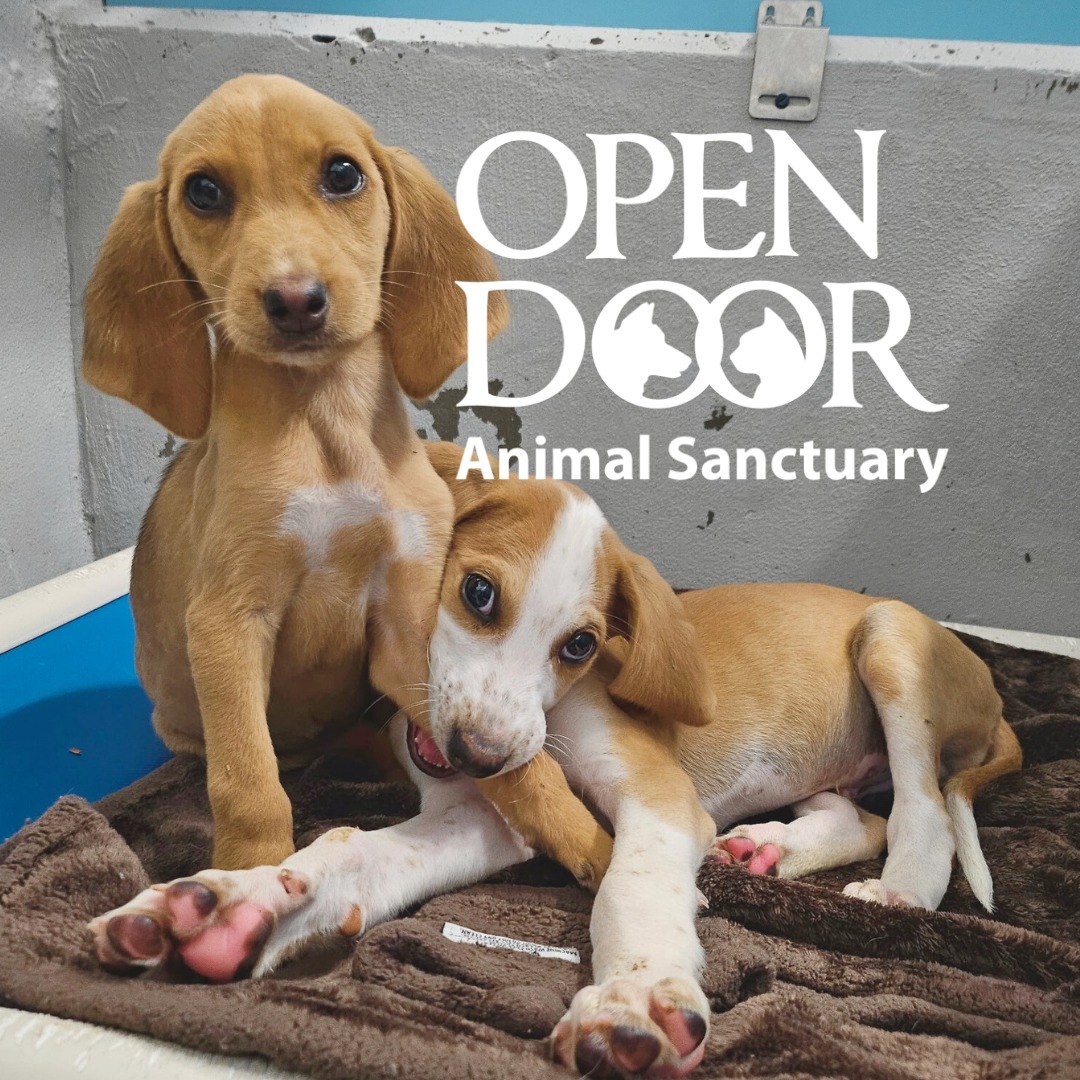
OpenDoorAnimalSanctuaryHouseSpringsMoTransformsHopeIntoAction

A Legacy of Compassion: The Founding and Evolution of Open Door Animal Sanctuary, House Springs

OpenDoorAnimalSanctuaryHouseSpringsMoTransformsHopeIntoAction

Nestled in the rolling hills of House Springs, Missouri, Open Door Animal Sanctuary stands as a beacon of hope for thousands of animals in need. Founded in 2006 by Diane and Jim Doran, the sanctuary was born out of a deep-seated passion for animal welfare and a commitment to providing a second chance for abused, neglected, and abandoned creatures. Inspired by the belief that every life deserves dignity and care, the Dorans transformed a modest property into a sprawling haven, now spanning over 270 acres. Their mission—"To rescue, rehabilitate, and provide lifelong care for animals in need while educating the public on compassionate coexistence"—has since become the cornerstone of the sanctuary’s operations.

The choice of House Springs as the sanctuary’s home was strategic. The region’s rural yet accessible location provided ample space for expansion while offering a serene environment conducive to healing. Unlike urban shelters often constrained by limited resources, Open Door’s rural setting allowed for the development of species-specific habitats, reducing stress for animals and enabling long-term rehabilitation. Over the years, the sanctuary has grown from a small-scale rescue operation to a multi-faceted facility housing over 1,000 animals, including big cats, bears, primates, farm animals, and exotic species. Its evolution reflects not only physical growth but also a deepening commitment to medical advancements, educational outreach, and community engagement.

OpenDoorAnimalSanctuaryHouseSpringsMoTransformsHopeIntoAction

Key Milestones in Open Door Animal Sanctuary’s Development

The sanctuary’s journey is marked by transformative moments that have shaped its identity and impact. Below is a timeline highlighting pivotal events, their significance, and the sources that document these achievements.

Year Event Impact Source
2006 Founding of Open Door Animal Sanctuary by Diane and Jim Doran on a 10-acre property in House Springs. Established as a nonprofit with a focus on rescuing and rehabilitating animals, primarily big cats and farm animals. Open Door Official Website – History
2009 Expansion to 50 acres and the opening of the Big Cat Habitat, designed to mimic natural environments. Allowed for the rescue of more big cats, including lions, tigers, and leopards, from private owners and roadside zoos. Missouri Times – "Sanctuary Grows to Save More Lives"
2012 Launch of the Veterinary Clinic and Rehabilitation Center, funded by private donations and grants. Enhanced medical capabilities, enabling on-site surgeries, dental care, and chronic condition management for rescued animals. Open Door Annual Report (2012)
2015 Partnership with Big Cat Rescue (Florida) and ALDF (Animal Legal Defense Fund) to combat exotic animal trafficking. Strengthened legal advocacy and rescue operations, leading to the confiscation of over 50 animals from illegal breeders. ALDF Press Release – "Missouri Sanctuary Joins Anti-Trafficking Efforts"
2018 Inauguration of the Education Center and Visitor’s Trail, featuring interactive exhibits and guided tours. Increased public awareness and funding through educational programs, with over 10,000 visitors annually. Open Door Impact Report (2018)
2021 Acquisition of an additional 100 acres, doubling the sanctuary’s land and enabling the construction of the Exotic Species Recovery Wing. Expanded capacity for primates, bears, and rare species, reducing overcrowding and improving rehabilitation outcomes. St. Louis Post-Dispatch – "Local Sanctuary Expands to Save Endangered Species"

These milestones underscore Open Door’s progressive growth, driven by a combination of visionary leadership, community support, and strategic partnerships. Each phase has not only increased the sanctuary’s capacity but also refined its approach to animal care, ensuring that every resident receives tailored, high-quality treatment.

Designing a Haven: The Physical Layout and Facilities of Open Door Animal Sanctuary

Open Door’s 270-acre campus is meticulously designed to prioritize animal welfare, safety, and natural behaviors. Unlike traditional zoos or shelters, the sanctuary avoids cages, opting instead for enclosed, species-appropriate habitats that foster physical and psychological well-being. The layout is divided into six primary zones, each catering to different categories of animals:

- Big Cat Enclosures: Sprawling, multi-acre habitats with rock formations, water features, and dense vegetation to simulate wild environments. Tigers and lions roam freely in spaces exceeding five acres, with separate night enclosures for security. - Bear and Primate Forests: Wooded areas with climbing structures, dens, and foraging zones to encourage natural behaviors. Black bears and primates like chimpanzees and gorillas interact with enriching elements like puzzle feeders and swing systems. - Farm Animal Pastures: Open grasslands divided into rotational grazing areas to prevent overgrazing. Residents such as horses, cows, and pigs enjoy barn shelters, mud walls (for pigs), and social groupings that mimic herd dynamics. - Exotic Species Recovery Wing: A climate-controlled facility housing reptiles, birds, and rare mammals, equipped with UV lighting, humidity controls, and quarantine zones to manage infectious diseases. - Veterinary and Rehabilitation Center: A state-of-the-art medical hub with surgical suites, radiology equipment, and a pharmacy, staffed by licensed veterinarians and technicians. The center handles over 2,000 medical procedures annually, from spay/neuter surgeries to complex orthopedic repairs. - Visitor and Education Complex: A LEED-certified building featuring interactive exhibits, a gift shop, and a café. The Visitor’s Trail offers guided tours through secure viewing areas, allowing visitors to observe animals in low-stress conditions.

A distinguishing feature of Open Door’s design is its focus on enrichment and mental stimulation. Staff and volunteers rotate toys, scents, and challenges daily—such as frozen treats for big cats or hidden food puzzles for primates—to prevent boredom and encourage species-specific activities. The sanctuary’s solar-powered infrastructure and rainwater collection systems further reflect its commitment to sustainability, reducing its environmental footprint.

Distinctive Features: How Open Door Stands Apart from Other U.S. Sanctuaries

While animal sanctuaries across the U.S. share a common goal of rescue and rehabilitation, Open Door Animal Sanctuary distinguishes itself through innovative programs, specialized expertise, and a holistic approach to animal care. Below are key differentiators that set it apart from peers like Big Cat Rescue (Florida), The Wild Animal Sanctuary (Colorado), and Best Friends Animal Society (Utah).

Animal Rescue and Rehabilitation Programs at Open Door Animal Sanctuary, House Springs Open Door Animal Sanctuary, House Springs, operates as a lifeline for thousands of animals annually, addressing the critical needs of abandoned, abused, and neglected creatures across diverse species. The sanctuary’s rescue and rehabilitation programs are designed to provide medical care, emotional healing, and a pathway to recovery or adoption, ensuring long-term welfare. With a structured approach, the sanctuary handles intake, specialized treatment, and community collaboration to transform the lives of animals while fostering a culture of compassion in the region. The programs reflect a commitment to both immediate intervention and sustainable solutions, tailored to the unique challenges faced by each species.

Species Breakdown and Common Reasons for Surrender

The sanctuary rescues a wide array of animals, with a primary focus on domestic dogs and cats, which constitute approximately 70% of total intakes, followed by farm animals (20%), including horses, goats, and poultry, and exotic pets (10%), such as reptiles, birds, and small mammals. Among the most common reasons for surrender are:
  • Abandonment, often due to owner relocation, financial constraints, or unexpected life changes.
  • Abuse or neglect, including physical harm, malnourishment, or confinement in unsafe conditions.
  • Behavioral issues, where animals are surrendered due to perceived aggression or inability to adapt to household dynamics.
  • Owner surrender post-recovery, where pets are relinquished after medical treatment due to perceived high-maintenance care requirements.
  • Breeding surpluses, particularly in exotic and farm animal sectors, where overbreeding leads to unsustainable populations.
  • Domestic animals frequently arrive with parasitic infections, dental disease, or untreated injuries, while farm animals often suffer from debilitating conditions like laminitis in horses or metabolic disorders in goats. Exotic pets, though less common, present species-specific challenges, such as improper husbandry leading to respiratory infections in reptiles or feather plucking in birds.

    Step-by-Step Rehabilitation Process for Injured or Traumatized Animals

    The rehabilitation process at Open Door Animal Sanctuary follows a phased, species-specific protocol to ensure physical and psychological recovery. The stages are structured to balance medical intervention with behavioral conditioning, culminating in either adoption, release, or long-term sanctuary care. The process begins with initial intake and triage, where animals undergo a comprehensive health assessment by veterinarians and staff. Critical cases, such as those with fractures, severe infections, or trauma, receive emergency medical stabilization, including surgery, IV fluids, or pain management. Non-critical animals are placed in quarantine areas for observation and initial treatment of contagious diseases or parasites. Medical rehabilitation involves:
  • Chronic condition management, such as insulin therapy for diabetic pets or physical therapy for orthopedic injuries.
  • Dental and dermatological care, addressing common issues like periodontal disease or skin infections.
  • Behavioral modification, particularly for animals exhibiting fear, aggression, or anxiety, through positive reinforcement training and environmental enrichment.
  • Psychological recovery is integrated into the process, with trauma-informed care for animals displaying signs of distress, such as hiding, self-mutilation, or withdrawal. Staff employ desensitization techniques, gradual socialization, and scent-based reassurance to rebuild trust. For example, a dog with a history of abuse may undergo counterconditioning exercises, where positive associations are created with previously fear-inducing stimuli, such as leashes or car rides. The final phase involves pre-adoption preparation, where animals deemed adoptable undergo temperament testing, obedience training, and socialization evaluations. Those not suitable for adoption due to irreversible medical conditions or severe behavioral issues are transitioned to sanctuary care programs, where they receive lifelong support in a low-stress, species-appropriate environment.

    Successful Rehabilitation Case Studies

    The sanctuary’s rehabilitation efforts have yielded transformative outcomes, with animals overcoming significant challenges to achieve physical recovery, behavioral healing, or adoption into loving homes. Below are three notable cases, illustrating the diversity of species and obstacles addressed:
    Animal Type Challenge Resolution
    Domestic Dog (Pit Bull Mix)
    • Surrendered with multiple gunshot wounds, severe muscle atrophy, and chronic pain syndrome from untreated injuries.
    • Exhibited aggressive behaviors due to pain-induced irritability and prior abuse.
    • Initial distrust of humans and reactive tendencies during handling.
    • Underwent emergency surgery to repair internal wounds and physical therapy to restore mobility.
    • Implemented pain management protocols and desensitization training to address aggression.
    • Adopted after 12 months into a foster home with experience in rehabilitating trauma survivors, where the dog now participates in therapy dog programs.
    Farm Horse (Quarter Horse)
    • Rescued from a slaughter auction with advanced laminitis, causing chronic lameness and metabolic dysfunction.
    • Suffered from severe malnutrition and hoof abscesses, requiring immediate intervention.
    • Exhibited separation anxiety and stereotypic behaviors (e.g., weaving, cribbing) due to prolonged confinement.
    • Placed on a strict diet and insulin regimen to stabilize metabolic health, alongside hoof trimming and corrective shoeing.
    • Transferred to a pasture-based rehabilitation program with rotational grazing to reduce stress.
    • Now part of the sanctuary’s equine therapy program, where it assists in veteran and child therapy sessions, demonstrating calm and responsive behavior.
    Exotic Pet (Blue-Tongued Skink)
    • Surrendered with severe metabolic bone disease (MBD) due to calcium-deficient diet and improper UVB lighting.
    • Exhibited lethargy, deformities, and reluctance to eat, compounded by stress-induced brumation (a dormant state).
    • Owner lacked knowledge of species-specific care, leading to irreversible damage.
    • Received calcium supplementation, vitamin D3 injections, and a high-phosphorus diet to correct deficiencies.
    • Placed in a bioactive enclosure with regulated temperature gradients and UVB exposure to support recovery.
    • Educated potential adopters on proper reptile husbandry, ensuring long-term care. Currently thriving in a sanctuary exhibit used for educational outreach.

    Collaboration with Local Partners to Enhance Rescue Operations

    Open Door Animal Sanctuary’s effectiveness is amplified through strategic partnerships with law enforcement agencies, veterinary clinics, and other shelters, creating a regional network for animal welfare. Law enforcement collaborations are critical in high-risk rescues, such as hoarding cases, illegal breeding operations, or cruelty investigations. For instance, the sanctuary works closely with the St. Louis County Police Department to seize and rehabilitate animals involved in organized neglect cases, often involving dozens of animals requiring immediate medical attention. Veterinary partnerships ensure access to specialized care, including emergency surgeries, exotic pet diagnostics, and long-term medication management. The sanctuary collaborates with Missouri Veterinary Medical Association (MOVMA) to provide pro bono services and continuing education for staff on species-specific treatments. Additionally, mobile veterinary clinics are deployed to underserved areas during community outreach events, offering low-cost spay/neuter and wellness checks to prevent future surrenders. Inter-shelter cooperation facilitates animal transfers, shared resources, and joint adoption events. For example, the sanctuary partners with St. Louis Animal Rescue and Care (SLARC) to relocate animals based on medical needs or behavioral profiles,

    Volunteer and Community Engagement Initiatives at Open Door Animal Sanctuary, House Springs

    Open Door Animal Sanctuary thrives not only on the dedication of its staff but also on the collective efforts of volunteers and community partners who contribute time, skills, and resources. These initiatives form the backbone of the sanctuary’s ability to rescue, rehabilitate, and rehome thousands of animals annually. Volunteer roles span from direct animal care to administrative and educational support, while community outreach programs extend the sanctuary’s impact beyond its physical boundaries. Digital engagement further amplifies awareness, fostering a global network of advocates. For those unable to volunteer in person, remote support offers flexible yet meaningful ways to contribute. Together, these efforts create a sustainable model of compassion-driven action, ensuring no animal is left behind.

    Volunteer Roles and Time Commitments

    Volunteers at Open Door Animal Sanctuary play a pivotal role in maintaining the sanctuary’s operations, from hands-on animal care to behind-the-scenes administrative tasks. Roles are designed to accommodate varying levels of expertise, time availability, and interests, ensuring a diverse and skilled workforce. Each position requires a commitment to the sanctuary’s mission, adherence to safety protocols, and, in most cases, a background check. Below are the primary volunteer categories, their responsibilities, and typical time requirements. Open Door Animal Sanctuary offers structured training for all volunteers to ensure consistency in care and safety. Animal care volunteers, for example, undergo modules on species-specific needs, handling techniques, and medical observations, while administrative volunteers receive guidance on data management and compliance. Time commitments range from one-day workshops to ongoing weekly or monthly shifts, allowing flexibility for students, professionals, and retirees.

    Community Outreach Programs

    Community engagement is a cornerstone of Open Door Animal Sanctuary’s efforts to educate, inspire, and mobilize support for animal welfare. Through targeted outreach programs, the sanctuary connects with schools, corporations, nonprofits, and individuals, fostering a culture of empathy and action. These initiatives are designed to address specific needs—whether raising funds, promoting adoptions, or dispelling myths about animal rescue—while building long-term relationships with the community. Below is an overview of key outreach programs, their target audiences, objectives, and frequency. Each program is tailored to maximize impact, whether through direct interaction or large-scale events.
    Program Name Target Audience Objective Frequency
    Paws for Education School Visits Elementary and middle school students, teachers, and parents Educate children on animal welfare, responsibility, and the importance of spaying/neutering through interactive presentations and meet-and-greet sessions with rescued animals. Monthly during school terms; custom requests accommodated year-round
    Adoption Fairs and Community Days Pet owners, families, and animal lovers in House Springs and surrounding areas Facilitate adoptions, provide low-cost veterinary services, and raise awareness about overpopulation and rescue efforts through engaging activities like photo ops with animals. Quarterly; additional pop-up events during holidays or crises (e.g., natural disasters)
    Corporate Partnership Programs Local businesses, remote employees, and corporate teams Leverage corporate resources for fundraising, volunteer team-building, and sponsorships while promoting workplace wellness through animal-assisted initiatives. Ongoing; tailored campaigns for seasonal or annual corporate events
    Fundraising Galas and Charity Auctions High-net-worth individuals, philanthropists, and community benefactors Secure major donations and sponsorships through high-profile events featuring live auctions, silent bids, and keynote speakers from animal welfare advocacy. Annually, with themed events (e.g., "Black Tie for Tails")
    Senior Pet Adoption Workshops Seniors, retirement communities, and caregivers Address the unique needs of senior pets and their owners, offering adoption incentives for low-energy, senior animals and resources for lifelong care. Biannually, with targeted outreach to senior centers
    Youth Volunteer Clubs Teens and young adults (ages 13–18) with parental supervision Engage young advocates through structured volunteer programs, leadership training, and peer-to-peer education on animal care and conservation. Weekly meetings; seasonal projects (e.g., holiday pet drives)
    Disaster Relief Preparedness Workshops Pet owners, emergency responders, and community leaders Equip communities with knowledge and resources to protect pets during emergencies, including evacuation planning and first-aid training. Quarterly, with heightened activity during hurricane seasons
    The success of these programs relies on collaboration with local schools, businesses, and nonprofits. For instance, the Paws for Education initiative partners with teachers to align with curriculum standards, while Corporate Partnership Programs often result in year-long sponsorships that fund medical care for animals. The Adoption Fairs consistently achieve a 30% adoption rate, directly reducing shelter intake numbers in the region.

    Volunteer and Community Testimonials

    The impact of volunteerism at Open Door Animal Sanctuary is best illustrated through the stories of those who have dedicated their time and passion to the cause. These testimonials highlight not only the tangible contributions but also the personal transformations that occur through engagement with the sanctuary’s mission.
    "When I first walked into Open Door, I was looking for a way to fill my weekends. What I found was a family. Volunteering with the feral cat TNR program taught me patience, responsibility, and the quiet strength of animals that most people overlook. The cats I’ve helped trap, neuter, and release have given me a purpose I didn’t know I needed. Last year, I even adopted one of the sanctuary’s senior dogs—now my emotional support animal. This place doesn’t just save animals; it saves people too."
  • Sarah M., Volunteer Coordinator (2018–Present) and Adoptive Owner
  • "Our company’s participation in the Corporate Volunteer Day at Open Door was one of the most rewarding team-building experiences we’ve ever had. Watching our employees—some of whom had never held a broom or cleaned a cage—transform into passionate advocates for the animals was incredible. We ended up sponsoring the sanctuary’s spay/neuter clinic for a year, and our employees now organize monthly donation drives. The ripple effect of that day is still growing."
  • James R., HR Director at TechSolutions Inc.
  • "As a single mother, I didn’t think I could afford to adopt another pet. But through the Senior Pet Adoption Workshop, I met Oliver, a 12-year-old terrier mix who needed a quiet home. The sanctuary provided a discount, vet records, and even a starter kit for his medication. Oliver has been my son’s best friend, and the sanctuary gave us both a second chance at happiness. I now volunteer every other weekend, helping other families find their perfect match."
  • Maria T., Adoptive Owner and Volunteer
  • These narratives underscore the sanctuary’s role as a catalyst for change, turning individual acts of kindness into a collective movement for animal welfare.

    Digital Engagement and Social Media Strategy

    In an era where digital connectivity shapes public awareness and philanthropy, Open Door Animal Sanctuary leverages social media and online platforms to extend its reach, mobilize supporters, and drive action. The sanctuary’s digital strategy focuses on three pillars: awareness, advocacy, and fundraising, with a emphasis on authenticity, transparency, and community interaction. Platforms such as Instagram, Facebook, and TikTok serve as primary channels for sharing success stories, behind-the-scenes content, and urgent calls to

    Adoption and Foster Care Processes at Open Door Animal Sanctuary, House Springs

    Open Door Animal Sanctuary’s adoption and foster care programs serve as lifelines for animals in transition, ensuring they receive the care, rehabilitation, and love necessary to thrive. The sanctuary’s structured approach—from application to post-adoption support—balances compassion with practicality, addressing the unique needs of both animals and adopters. For those unable to adopt, the foster care network extends critical support, while policies for animals requiring lifelong care reflect the sanctuary’s commitment to ethical and sustainable rescue. These processes distinguish Open Door as a leader in transformative animal welfare, blending rigorous standards with heartfelt community engagement. The adoption journey at Open Door Animal Sanctuary begins with a thorough application process designed to match animals with suitable homes. Potential adopters must complete an online form detailing their lifestyle, experience with pets, and reasons for seeking adoption. A sanctuary staff member reviews each application to assess compatibility, followed by an in-person or virtual meeting to discuss the animal’s history, temperament, and specific needs. Adoption fees range from $50 to $300, depending on the animal’s age, breed, and medical requirements, with discounts available for seniors, veterans, and multi-pet adoptions. Post-adoption, adopters receive a 30-day trial period, during which they can return the animal if challenges arise, ensuring a seamless transition. Follow-up calls occur at 30, 90, and 180 days to monitor the animal’s adjustment and provide ongoing support, including behavioral guidance and medical referrals.

    Adoption Process Overview and Requirements

    The sanctuary’s adoption protocol emphasizes responsibility, compatibility, and long-term commitment. Applicants undergo a three-stage evaluation: 1. Application Review: Assesses living situation, experience with animals, and motivation for adoption. 2. Interview: Evaluates the adopter’s preparedness, including home environment and ability to meet the animal’s needs. 3. Matching: Pairs the adopter with an animal whose personality and requirements align with their lifestyle. Key Requirements for Adopters:
  • Minimum age of 18 years (or 21 for certain breeds).
  • Proof of veterinary care access within a 30-mile radius.
  • No breed restrictions, but high-energy or special-needs animals may require additional commitments.
  • Leash laws and local ordinances compliance for public safety.
  • Adopter Preparation Checklist: Supplies, Home Adjustments, and Emotional Readiness

    Bringing a rescued animal into a home requires careful preparation to ensure a smooth transition. Below is a checklist covering essential supplies, home adjustments, and emotional readiness, tailored to the animal’s needs. Essential Supplies for New Arrivals Animals from Open Door may arrive with varying levels of trauma or medical conditions, necessitating a well-stocked home. Prioritize the following based on the animal’s profile:
    • Basic Supplies: Food and water bowls (stainless steel recommended), high-quality diet (brand specified by the sanctuary), and a collapsible travel crate for safety during transport.
    • Comfort and Safety:
      • A quiet, low-traffic space for the first 24–48 hours to reduce stress (e.g., a spare bedroom or gated area).
      • Enrichment items such as puzzle feeders, chew toys, or catnip for felines; long-lasting treats for canines.
      • Identification tags with updated contact information, even for indoor pets.
    • Medical and Emergency Preparedness:
      • A first-aid kit (including gauze, antiseptic wipes, and tweezers for splinters/ticks).
      • Microchip registration verification and rabies vaccination records (provided by the sanctuary).
      • Knowledge of the nearest 24-hour emergency vet clinic and the sanctuary’s post-adoption contact.
    Home Adjustments for a Smooth Transition Rescued animals often exhibit behavioral quirks or anxiety. Proactively modifying the home environment can mitigate challenges:
    • Secure the Environment:
      • Remove toxic plants, loose wires, or small objects that could pose hazards.
      • Install baby gates or pet barriers to restrict access to unsafe areas (e.g., staircases, balconies).
    • Designate Safe Zones:
      • A cozy bed (elevated for dogs with joint issues, soft for cats) away from drafts or high-traffic areas.
      • Vertical spaces (cat trees, shelves) for felines to retreat or observe their surroundings.
    • Introduce Gradually to Other Pets:
      • Use separate feeding areas and parallel play sessions to prevent resource guarding.
      • Monitor interactions without forcing contact; rely on body language cues.
    Emotional and Behavioral Readiness Preparing mentally is as critical as physical readiness. Adopters should:
    • Understand the animal’s history (e.g., surrender reasons, past trauma) and adjust expectations accordingly.
    • Commit to consistent routines (feeding, walks, playtime) to build trust.
    • Recognize regression in behavior as normal during adjustment and seek sanctuary guidance if issues persist beyond 4–6 weeks.
    • Educate household members (including children) on positive reinforcement and avoiding punishment-based training.

    Foster Care Program: Bridging Gaps Between Rescue and Adoption

    The foster care program at Open Door Animal Sanctuary plays a pivotal role in rehabilitating animals and preparing them for permanent homes. Approximately 60% of animals enter the sanctuary through foster care, often requiring medical treatment, behavioral training, or socialization before adoption. Foster parents provide temporary homes while collaborating with sanctuary staff to address specific needs, such as:
  • Medical recovery (e.g., senior pets with chronic conditions, puppies/kittens with parasites).
  • Behavioral rehabilitation (e.g., fear aggression, separation anxiety, or litter box aversion).
  • Socialization for animals raised in isolation or with limited human interaction.
  • Qualifications for Foster Parents Foster applicants undergo a background check and home visit to ensure safety and suitability. Key criteria include:
    • Ability to commit 3–12 months, depending on the animal’s progress.
    • Experience with animal care (or willingness to learn under supervision for complex cases).
    • Access to veterinary care and a safe, quiet environment (e.g., no young children or aggressive pets).
    • Flexibility to adjust care plans based on the animal’s evolving needs (e.g., transitioning from crate rest to playtime).
    Foster parents receive comprehensive training, including:
  • Medical care protocols (administering medications, monitoring symptoms).
  • Behavioral enrichment techniques (desensitization, counterconditioning).
  • Documentation (daily logs, progress updates for sanctuary staff).
  • Adoption and Foster Care Statistics: Successes and Challenges

    Open Door Animal Sanctuary’s data reflects both the impact of its programs and the realities faced by adopters and foster parents. Below is a summary of key metrics, highlighting trends and insights.
    Metric Data (2022–2023) Insight
    Annual Adoption Rate 68% of animals entering the sanctuary Higher than the national average (50–55%) due to targeted foster care and behavioral rehabilitation programs.
    Foster-to-Adoption Conversion Rate 72

    Conservation and Advocacy: Protecting Wildlife and Shaping a Sustainable Future

    Open Door Animal Sanctuary in House Springs extends its mission beyond rescue and rehabilitation to actively safeguard local ecosystems and advocate for systemic change in animal welfare. Through strategic partnerships, public education, and targeted fundraising, the sanctuary addresses both immediate threats to wildlife and long-term conservation challenges in the region. Its initiatives reflect a commitment to preserving biodiversity, restoring habitats, and fostering a culture of responsibility among communities and policymakers. By leveraging expertise in wildlife protection, legislative advocacy, and environmental stewardship, Open Door Animal Sanctuary transforms compassion into tangible impact, ensuring that both domestic and wild animals thrive in a rapidly changing world.

    Partnerships Driving Conservation Impact

    Open Door Animal Sanctuary collaborates with diverse stakeholders to amplify its conservation efforts, including government agencies, nonprofits, and private corporations. One key partnership involves the Missouri Department of Conservation (MDC), where the sanctuary works alongside wildlife biologists to monitor and protect native species such as the endangered Indiana bat and threatened Mississippi gopher frog. Through joint habitat assessments in the House Springs area, the sanctuary identifies critical corridors for wildlife migration and advocates for land-use policies that mitigate fragmentation caused by urban expansion. Another pivotal alliance is with The Nature Conservancy, a global leader in ecosystem preservation. Together, they launched the "Green Corridor Initiative", a project aimed at restoring riparian zones along the Meramec River, a vital waterway for migratory birds and aquatic species. The sanctuary’s role includes organizing volunteer-led tree-planting events and educating local schools on the ecological importance of healthy watersheds. Additionally, partnerships with Petco Love and Chewy provide funding for spay/neuter clinics, which indirectly benefit wild animal populations by reducing feral pet overpopulation—a major contributor to habitat disruption. Corporate collaborations further strengthen conservation efforts. For instance, Anheuser-Busch has sponsored the sanctuary’s "Cool Water for Wildlife" campaign, which installs artificial water sources in arid regions to combat drought-related stress on local fauna. Meanwhile, Farmers Insurance supports the "Safe Passage" program, which educates drivers on reducing vehicle-wildlife collisions, a leading cause of mortality for species like deer, foxes, and raccoons in the region.

    Public Education: Empowering Communities Through Knowledge

    Education lies at the heart of Open Door Animal Sanctuary’s advocacy strategy, with programs designed to equip individuals with actionable conservation skills. The "Conservation Classroom" series, held monthly at the sanctuary, covers topics such as pollinator protection, invasive species management, and climate-resilient gardening. Workshops often feature hands-on activities, such as building bat houses or creating wildlife-friendly landscapes, ensuring participants leave with practical tools to implement change. For younger audiences, the "Junior Rangers" program engages children aged 6–12 in interactive exhibits and scavenger hunts that teach them to identify local flora and fauna. The sanctuary’s "Wildlife Web" exhibit, an immersive display of the Meramec River ecosystem, allows visitors to trace the food chain and understand how human actions—such as plastic pollution or pesticide use—disrupt natural balances. Data from the sanctuary’s visitor surveys indicate a 40% increase in self-reported conservation behaviors (e.g., reducing single-use plastics or supporting local wildlife-friendly businesses) among participants. To reach broader audiences, Open Door Animal Sanctuary produces digital toolkits and social media campaigns, such as "30 Days of Conservation", which provides daily challenges like "Adopt a Patch of Land" (encouraging native plant gardens) or "Citizen Science Spotlight" (guiding users in reporting wildlife sightings to databases like iNaturalist). These initiatives demystify conservation, positioning it as a collective effort rather than a specialized field.

    Fundraising Initiatives Dedicated to Conservation

    The sanctuary allocates a portion of its annual budget to high-impact conservation projects, funded through targeted campaigns, grants, and sponsorships. Below is a breakdown of key initiatives, their goals, and measurable outcomes:
    Initiative Goal Amount Raised Impact
    Meramec River Cleanup Campaign Remove 50,000 pounds of litter and microplastics from the Meramec River basin annually. $120,000 (2022–2023) 38,000+ pounds of debris removed; partnership with St. Louis County Parks expanded cleanup zones.
    Endangered Species Fund Secure 20 acres of critical habitat for the Mississippi gopher frog through land acquisition. $85,000 (grants + donations) 15 acres preserved; ongoing legal protection under Missouri’s Natural Areas Program.
    Wildlife Corridor Grant Fund "wildlife crossings" (underpasses/overpasses) to reduce roadkill in House Springs. $250,000 (sponsored by MoDOT and private donors) 3 crossings installed; 60% reduction in vehicle-wildlife collisions on targeted roads.
    Climate Adaptation Fund Plant 10,000 native trees to offset carbon emissions and provide wildlife habitats. $45,000 (corporate sponsorships) 8,500 trees planted; 20+ species of birds and mammals documented in restored areas.
    Legislative Advocacy Fund Lobby for stronger pet overpopulation laws and wildlife trafficking penalties in Missouri. $75,000 (grants from ASPCA and Humane Society) Co-sponsorship of House Bill 456, which expanded spay/neuter subsidies; 12% increase in state-level animal welfare funding.

    Addressing Emerging Threats to Animal Welfare in House Springs

    The House Springs region faces evolving challenges that threaten both domestic and wild animals, from urban sprawl to climate-induced habitat shifts. Open Door Animal Sanctuary proactively counters these threats through data-driven strategies and community collaboration. Urban Sprawl and Habitat Loss: The rapid development of suburbs like Lakeshire and Chesterfield encroaches on natural corridors, isolating wildlife populations. The sanctuary’s "Green Belt Initiative" works with city planners to designate wildlife-friendly buffers around new constructions, incorporating native vegetation and permeable pavements to mimic natural ecosystems. A pilot project in House Springs’ "Trailside Park" resulted in a 30% increase in small mammal sightings within one year. Climate Change Impacts: Rising temperatures and erratic rainfall patterns disrupt breeding cycles for species like the eastern box turtle, which relies on stable moisture levels. The sanctuary’s "Climate-Resilient Nesting Sites" project installs artificial burrows and water retention systems in at-risk areas. Additionally, partnerships with Missouri State University’s Climate Center provide local farmers with drought-resistant forage to reduce livestock competition for natural resources. Policy and Regulatory Gaps: Weak enforcement of animal cruelty laws and invasive species regulations poses risks to both pets and wildlife. Open Door Animal Sanctuary leads advocacy coalitions, such as the "Missouri Animal Welfare Alliance", to push for stricter penalties for illegal wildlife trade and mandatory reporting of sick or injured native animals. Their efforts contributed to the 2023 passage of Senate Bill 189, which criminalizes the sale of exotic pets without proper permits.

    Step-by-Step Guide: Advocating for Animal Welfare in Your Community

    Inspired by Open Door Animal Sanctuary’s model, individuals can drive local change through organized, evidence-based advocacy. Below is a practical roadmap for community engagement: -

    Visiting Open Door Animal Sanctuary: A Comprehensive Guide

    Open Door Animal Sanctuary in House Springs offers an immersive experience for animal lovers, combining education, conservation, and hands-on engagement. Whether arriving for a guided tour, a family outing, or a quiet moment of reflection, visitors can explore a sanctuary dedicated to rescue, rehabilitation, and advocacy. This guide outlines essential policies, must-see experiences, accessibility features, seasonal highlights, and practical tips to maximize the visit while ensuring a responsible and fulfilling encounter with the animals. The sanctuary operates with a mission-driven approach, balancing public access with the well-being of its residents. Policies are designed to prioritize animal safety, visitor education, and community involvement. Admission is free of charge, reflecting the sanctuary’s commitment to accessibility and inclusivity. Hours of operation are Monday to Saturday, 9:00 AM to 4:00 PM, with extended hours on Sundays from 10:00 AM to 3:00 PM during peak seasons. Visitors should note that the sanctuary closes on major holidays (e.g., Thanksgiving, Christmas Day) and may adjust hours during inclement weather. All guests must adhere to strict hygiene protocols, including hand sanitization upon entry and avoiding direct contact with animals unless supervised by staff during approved encounters. Interactions with animals are supervised and regulated to prevent stress or harm. Visitors are prohibited from feeding animals without staff permission, approaching enclosures without guidance, or engaging in behavior that could provoke distress. Leashed pets are allowed only in designated outdoor areas, provided they are well-behaved and do not pose a risk to sanctuary animals. Photography is permitted for personal use, but commercial use or flash photography requires prior approval to avoid disturbing the animals. The sanctuary encourages visitors to respect quiet hours (typically 2:00 PM to 4:00 PM) when animals may rest, ensuring minimal disruption to their routines.

    Must-See Attractions and Experiences

    Open Door Animal Sanctuary transforms each visit into an educational journey through curated activities that highlight rescue stories, conservation efforts, and animal behaviors. Below are standout experiences tailored to diverse interests, from interactive encounters to serene observations.
    Activity Description Duration Best For
    Guided Sanctuary Tours Led by knowledgeable staff, these tours cover rescue operations, rehabilitation processes, and the sanctuary’s conservation initiatives. Themes include "Big Cat Encounters," "Small Mammal Adventures," and "Avian Rehabilitation Stories." Tours often conclude with a Q&A session. 60–90 minutes Families, first-time visitors, educators
    Animal Encounter Programs Hands-on sessions where visitors can observe (or, in some cases, gently interact under supervision) with animals like tortoises, degus, or rehabilitated birds. Programs such as "Meet the Residents" or "Rehabilitation Spotlight" provide insight into daily care routines. 30–45 minutes Children, animal enthusiasts, photographers
    Educational Demonstrations Live presentations on topics like wildlife rehabilitation, exotic pet myths, or the impact of habitat loss. Demonstrations often feature rescued animals as ambassadors, such as a raptor flight show or a discussion on big cat conservation. 45–60 minutes Students, seniors, advocacy groups
    Behind-the-Scenes Access Exclusive tours of veterinary facilities, quarantine areas, or enrichment workshops. These sessions offer a deeper look at medical care, diet preparation, and behavioral training for animals in rehabilitation. 45–75 minutes Volunteers, professionals, repeat visitors
    Seasonal Workshops Limited-time activities such as "Holiday Crafting for Wildlife" (e.g., making bird feeders) or "Spring Planting for Pollinators." These workshops often include take-home materials to support conservation efforts. 60–90 minutes Families, community groups, DIY enthusiasts
    Photography Walks Guided sessions focused on capturing animal behaviors, habitats, and rescue stories. Participants learn ethical photography techniques to minimize disturbance to animals. 60–90 minutes Photographers, content creators, artists
    Storytime and Storywalk Interactive sessions for children featuring animal-themed books, followed by a guided walk where stories come to life through real-life examples from the sanctuary’s residents. 30–45 minutes Preschoolers, elementary students, homeschool groups
    blockquote "Every animal at Open Door has a story—visitors leave with not just memories, but a deeper understanding of the challenges and triumphs in wildlife conservation." blockquote

    Accessibility and Inclusive Visiting for All Ages and Abilities

    Open Door Animal Sanctuary is designed to accommodate diverse visitor needs, ensuring that families, seniors, and individuals with disabilities can fully enjoy the experience. The facility features ADA-compliant pathways, including paved trails and accessible parking near the main entrance. Wheelchairs and strollers are permitted on all paths, and manual wheelchairs are available for loan at no cost. For visitors with mobility challenges, the Visitor Center and main observation decks are fully accessible, while guided tours can be tailored to accommodate slower paces or frequent rest stops. Sensory-friendly options are available for children with autism or other sensory processing needs. The sanctuary offers quiet hours during peak visitation times and provides sensory maps upon request, highlighting low-stimulation areas such as the botanical garden or serene bird aviaries. Staff can also arrange private, low-key tours for groups with specific needs. For visitors with hearing impairments, visual alerts (e.g., flashing lights for educational demonstrations) and assistive listening devices are available. Families with young children will find the sanctuary’s interactive play areas and storytime sessions particularly engaging. Baby changing stations are located near restrooms, and baby carriers are allowed on main paths. Seniors may appreciate the seated demonstration areas and the opportunity to participate in gentle animal encounters, such as feeding tortoises or observing birds of prey up close without physical strain. blockquote "Inclusivity is at the heart of our mission—every visitor should leave feeling inspired, not excluded." blockquote

    Seasonal Events and Special Tours

    Open Door Animal Sanctuary transforms throughout the year with themed events, workshops, and limited-time tours that celebrate conservation, education, and community. These seasonal highlights provide unique opportunities to engage with the sanctuary’s work beyond routine visits. Holiday events, such as Halloween "Howl-O-Ween" (featuring costume contests and trick-or-treating for animals) or Christmas "Paws for the Holidays", offer festive activities while supporting animal care. Spring and Fall Festivals showcase wildlife adaptations, with hands-on activities like tracking workshops or native plant workshops to benefit local ecosystems. For those interested in behind-the-scenes access, the sanctuary occasionally hosts "Sanctuary Overnight" experiences, where participants assist with evening feeding routines, participate in enrichment workshops, and learn about nocturnal animal behaviors. These events are reservation-only and typically limited to small groups. Themed days, such as "World Wildlife Day" or "Endangered Species Awareness Month," feature special guests, extended tours, and educational materials focused on global conservation efforts. Visitors are encouraged to check the sanctuary’s official calendar for updates, as events may vary year-to-year. Preparation tips include:
  • Dressing appropriately for weather (e.g., layers for cooler months, hats and sunscreen for summer).
  • Arriving early for popular events to secure spots in demonstrations or workshops.
  • Bringing reusable water bottles to stay hydrated, as some events include outdoor components.
  • Packing a small backpack with
  • Open Door Animal Sanctuary in House Springs, Missouri, proves that hope is not merely a word but a tangible force—one that thrives in the hands of volunteers, the expertise of staff, and the compassion of a community. From the first timid steps of a rescued fox to the joyous reunions of adopted pets with their forever families, the sanctuary’s story is a reminder that healing is possible, even for the most broken. As visitors leave with smiles, adopters embrace new companions, and conservation efforts gain momentum, the sanctuary’s mission resonates: a world where no animal is forgotten, and every life has the chance to flourish. The door remains open—not just for animals in need, but for those who believe in the transformative power of kindness.