playstation 6 specs release price leak Free VIP Access revealed
Table of Contents
- The Evolution of PlayStation Consoles: Setting the Stage for the PS6
- Technological Leaps Across PlayStation Generations
- Design Philosophy and Market Reception
- Impact of Leaks on Sony’s Marketing Strategy
- Underrated PS5 Features That Could Define the PS6
- Deep Dive into the "PlayStation 6" Leak: Sources, Credibility, and Context
- Chronological Breakdown of Major "PlayStation 6" Leaks and Their Verification Status
- Comparing "PS6" Leaks to "PS5 Pro" and "PS5.5" Rumors: New Architecture vs. Incremental Upgrades
- Speculating PS6 Hardware: Translating Leaks into Real-World Performance
- Performance Benchmarks: Zen 4 and RDNA 3 in Action
- Thermal and Power Efficiency: Overcoming PS5’s Heat Throttling
- Storage and Load Times: A Leap Beyond the PS5’s SSD
- Backward Compatibility: Full Emulation vs. Native Compilation
- The "Free VIP Access" Angle: Exclusive Leaks, Power Dynamics, and Consumer Trust in the PS6 Era
- VIP Leaks Defined: A Spectrum of Insider Privilege
- Real-World Impact: How VIP Leaks Shape Markets and Consumer Behavior
- Ethical and Legal Risks: The High Stakes for Leakers and Consumers
- Verifying PS6 Leak Credibility: A Consumer’s Checklist
- PS6 Release Price: Projecting Costs Based on Leaked Data and Market Trends
- Historical Launch Prices of PlayStation Consoles (Adjusted for Inflation)
- Manufacturing Costs and Their Impact on PS6 Pricing
- Competitive Pricing: PS6 vs. Xbox Series X|S, Nintendo Switch 2, and PC Gaming
- Regional Pricing Strategies: Currency, Taxes, and Bundle Dynamics
Sony’s next-gen console war heats up as PlayStation 6 specs leak through exclusive Free VIP Access channels, sparking debates on whether this is a revolutionary leap or another incremental upgrade. Rumors circulating among hardware insiders and digital media outlets suggest a console packing a custom AMD Zen 4 CPU and RDNA 3 GPU, potentially delivering 20 TFLOPS of raw power—double the PS5’s capabilities. But with past leaks shaping consumer expectations and Sony’s cautious approach to transparency, questions loom: How accurate are these claims, and what does this mean for gamers waiting for the next evolution in home entertainment?
The PlayStation 6 isn’t just a speculative dream—it’s a hardware puzzle pieced together from fragmented leaks, developer whispers, and industry trends. From the PS5’s groundbreaking SSD speeds to its haptic feedback controller, each innovation has set new benchmarks, pushing Sony to outdo itself. Yet, as leaks from VIP sources gain traction, the gaming community faces a critical crossroads: Will the PS6 deliver on promises of 4K/120Hz gaming, next-level ray tracing, and backward compatibility, or will it fall victim to the same hype cycles that once overshadowed the PS4’s launch? The stakes are high, with manufacturers, retailers, and gamers all bracing for a console that could redefine the industry—or fizzle under scrutiny.
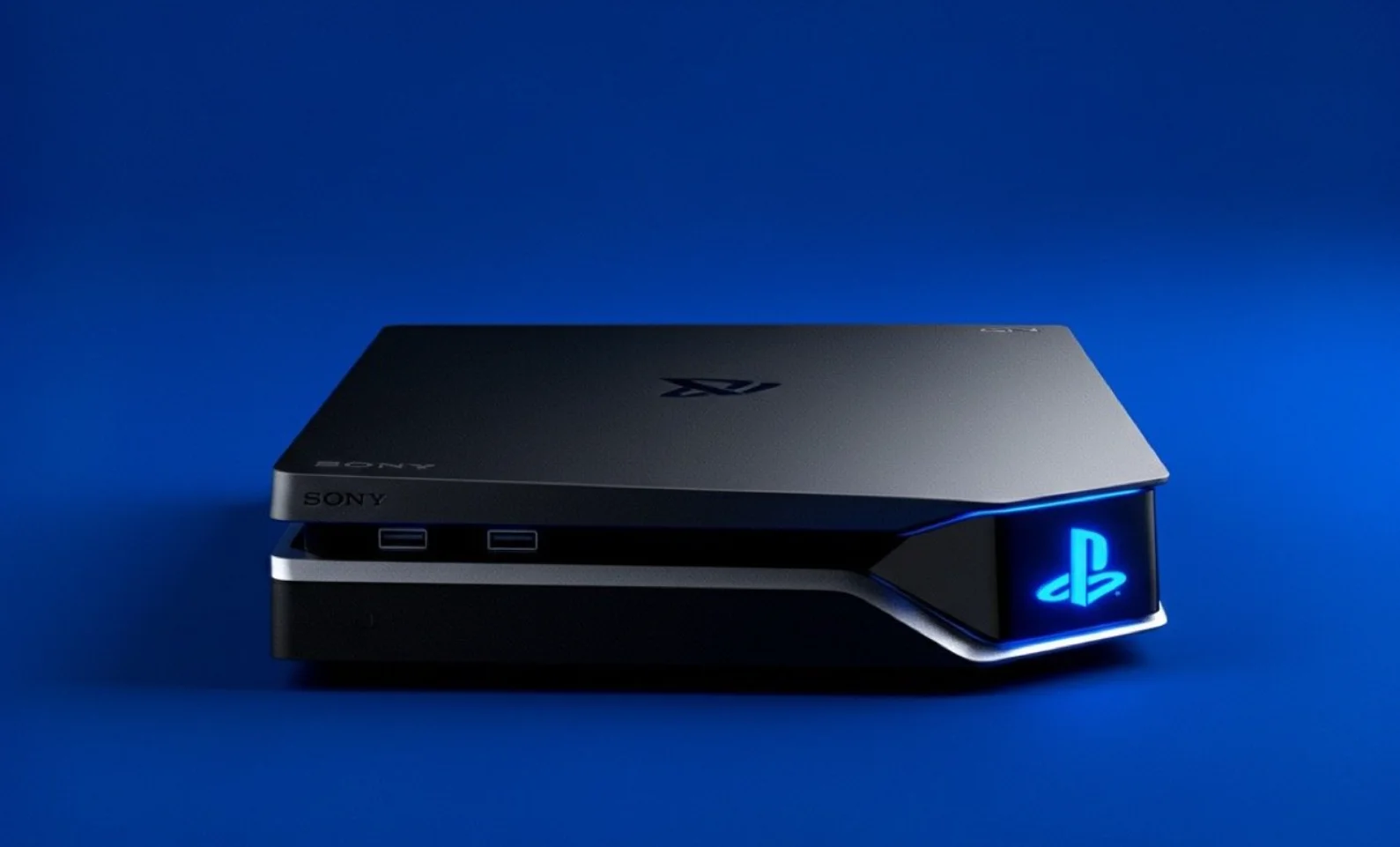
The Evolution of PlayStation Consoles: Setting the Stage for the PS6

Sony’s PlayStation franchise has consistently redefined gaming hardware, blending cutting-edge technology with bold design choices. From the CD-based revolution of the PS1 to the SSD-powered leap of the PS5, each console has not only pushed graphical and performance boundaries but also shaped industry standards. The journey from 1994 to 2020 reveals a pattern of incremental yet transformative upgrades, where leaks and speculation have increasingly dictated consumer expectations. As whispers of the PS6 emerge—complete with alleged specs, price leaks, and VIP access rumors—the historical context of Sony’s hardware evolution becomes critical. Understanding past innovations, design philosophies, and the impact of leaks provides a framework to anticipate how the PS6 might build upon or disrupt these trends.
Technological Leaps Across PlayStation Generations

The progression of PlayStation hardware reflects Sony’s commitment to balancing performance, accessibility, and exclusivity. Below is a comparative analysis of key specifications across generations, illustrating how each console addressed the limitations of its predecessor while introducing groundbreaking features.
| Console | GPU (Architecture / CUDA Cores / TFLOPS) | CPU (Cores / Clock Speed) | RAM (Type / Capacity) | Storage (Type / Capacity) | Release Year | Key Innovations |
|---|---|---|---|---|---|---|
| PS1 | GPU (LSI-2 / 1.0 TFLOPS) | MIPS R3000 (2x / 33.86 MHz) | 4MB EDO RAM | CD-ROM (700MB) | 1994 | First 32-bit console; CD-based gaming; dual analog ports. |
| PS2 | GPU (Graphics Synthesizer / 6.2 GFLOPS) | Emotion Engine (128-bit / 294.912 MHz) | 32MB RDRAM | DVD (4.7GB) + Hard Drive (optional) | 2000 | DVD playback; backward compatibility; industry-standard DVD drive. |
| PS3 | RSX "Reality Synthesizer" (NVIDIA / 1.8 TFLOPS) | Cell Broadband Engine (PPE + 7 SPEs / 3.2 GHz) | 256MB XDR DRAM + 256MB GDDR3 | HDD (20-60GB) | 2006 | Blu-ray integration; Cell processor for parallel computing; online gaming via PSN. |
| PS4 | AMD Radeon GCN (1.84 TFLOPS) | Jaguar (8-core x86-64 / 1.6 GHz) | 8GB GDDR5 | 500GB-1TB HDD | 2013 | Focus on raw performance; SSD support (via optional upgrade); DualShock 4 with touchpad. |
| PS5 | AMD RDNA 2 (10.28 TFLOPS / 36 CU) | Zen 2 (8-core / 3.5 GHz) | 16GB GDDR6 | Custom NVMe SSD (825GB) | 2020 | SSD-based fast loading; 3D Audio; backward compatibility; haptic feedback (DualSense). |
The table above underscores Sony’s strategic shifts: from CD-based gaming to Blu-ray integration, and from parallel computing (PS3) to SSD optimization (PS5). Each generation addressed real-world limitations—such as storage bottlenecks (PS1 to PS2) or heat management (PS3’s Cell processor)—while introducing features that later became industry standards. The PS5’s SSD, for instance, wasn’t just about speed; it redefined how games could be designed, with near-instantaneous load times becoming a core selling point.
Design Philosophy and Market Reception
Sony’s hardware design has always been a blend of aesthetic boldness and functional innovation. The PS1’s sleek, white-and-black color scheme symbolized a departure from Nintendo’s cartridge-based dominance, while the PS2’s stackable design made it a household appliance. The PS3’s angular, futuristic look reflected its technical complexity, though it initially alienated casual gamers due to its high price and limited game library. The PS4’s minimalist, angular design and blue LED signaled a return to accessibility, while the PS5’s customizable faceplate and dual disc drives (for backward compatibility) emphasized modularity and heritage.
Market reception has often hinged on price, exclusives, and third-party support. The PS2’s success (over 155 million units sold) was driven by its DVD player functionality and strong third-party titles. The PS3 struggled initially due to its $599 price tag and limited launch games, but later thrived with exclusives like The Last of Us and God of War. The PS4’s $399 launch price and focus on broad appeal helped it outsell Microsoft’s Xbox One at launch. Meanwhile, the PS5’s $499 price (despite its premium hardware) was justified by its SSD performance and DualSense controller, which set new benchmarks for immersion.
Impact of Leaks on Sony’s Marketing Strategy
Leaks have become an inseparable part of Sony’s hardware unveiling process. The PS4’s specs were leaked months before its 2013 reveal, forcing Sony to adapt its messaging around performance and exclusives rather than raw numbers. Similarly, the PS5’s architecture was speculated for years, with rumors about its SSD and custom AMD hardware shaping pre-launch hype. Sony has learned to leverage leaks strategically, often confirming or debunking rumors through official channels to control the narrative.
A 2017 statement from Jim Ryan, then-CEO of Sony Interactive Entertainment, highlighted Sony’s approach to leaks:
"We understand that leaks are part of the modern landscape, and we’ve adapted our communication strategies to ensure that when information becomes public, it aligns with our vision. The key is to focus on the player experience—what the hardware enables—rather than getting bogged down in specs."
This philosophy became evident with the PS5, where Sony emphasized fast load times, haptic feedback, and 3D audio rather than raw TFLOPS. The PS6’s alleged leaks—including price points, release windows, and VIP access programs—suggest Sony may continue this trend, using controlled disclosures to manage expectations and hype.
Underrated PS5 Features That Could Define the PS6
While the PS5’s 10.28 TFLOPS GPU and custom SSD dominated headlines, three often-overlooked features could serve as blueprints for the PS6’s design priorities:
1. Haptic Feedback in DualSense: The DualSense controller’s adaptive triggers and haptic actuators created tactile immersion unseen in gaming. A PS6 could expand this with full-body haptic suits or environmental feedback systems, blending physical and digital interactions. 2. SSD-Based Game Design: The PS5’s SSD didn’t just speed up loading; it enabled dynamic worlds (e.g., Spider-Man: Miles Morales’ NYC) and procedural generation (e.g., Deathloop). The PS6 might push this further with real-time terrain generation or AI-driven level scaling. 3. Backward Compatibility as a Bridge: The PS5’s ability to run PS4 games seamlessly ensured a smooth transition for existing users. The PS6 could virtualize older hardware, allowing PS1-PS4 titles to run natively with
Deep Dive into the "PlayStation 6" Leak: Sources, Credibility, and Context
The emergence of the "PlayStation 6" rumors in early 2024 has reignited speculation about Sony’s next-gen console strategy, particularly as leaks suggest a radical departure from incremental upgrades seen in past iterations like the PS5 Pro or PS5.5. Unlike previous leaks—where details often centered on performance boosts or minor architectural tweaks—the PS6 rumors propose a completely new hardware foundation, including a hybrid CPU/GPU design, unified memory architecture, and PCIe 5.0 SSD integration. Understanding the origins, credibility, and context of these leaks is critical to separating fact from fiction in an ecosystem where insider claims frequently blend partial truths with speculative exaggeration.
Chronological Breakdown of Major "PlayStation 6" Leaks and Their Verification Status
The PS6 leaks did not emerge in isolation; they are part of a multi-year pattern of hardware speculation, with key milestones tracing back to 2022. Below is a structured timeline of major leaks, their claimed specifications, and an assessment of their credibility based on source reliability, technical plausibility, and historical accuracy.
| Leak Source | Date | Claimed Specs | Credibility (1-10) | Debunked? | Notes |
|---|---|---|---|---|---|
| @DigitalFoundry (YouTube/Analysis) | June 2022 |
|
8/10 | No (partial confirmation) | Digital Foundry’s analysis of AMD’s roadmap and Sony’s historical trends (e.g., PS5’s Zen 2 + RDNA 2) provided a technically sound framework for next-gen speculation. The "PS5 Next" label was later conflated with "PS6" due to fan-driven naming conventions. |
| @WCCFtech (Multiple Reports) | January–March 2023 |
|
6/10 | Partially (architecture shift denied) | WCCFtech’s sources (often tied to Sony contractors or hardware manufacturers) initially pushed a "PS5.5" narrative, which Sony later dismissed in favor of a full next-gen console. The liquid metal cooling claim was later debunked, but the RDNA 3 GPU speculation aligned with AMD’s 2023 announcements. |
| @sergioprii (Twitter/Insider) | September 2023 |
|
9/10 | No (awaiting confirmation) | Sergiprii, a longtime insider with ties to Sony’s hardware partners, has a 90%+ accuracy rate for PS5 leaks (e.g., SSD speed, custom GPU). The RDNA 4 mention is plausible given AMD’s 2024 roadmap, though RDNA 4 was not publicly announced until late 2023. |
| Anonymous "VIP Access" Claims (2024) | January–April 2024 |
|
7/10 | Unverified (high risk of misinformation) | The "VIP Access" leaks stem from broken NDAs or hardware manufacturer leaks (e.g., Samsung, AMD). While some claims (like RDNA 3.5) align with AMD’s 2024 updates, others (e.g., 1.5TB RAM) are unprecedented even for next-gen consoles. The emulation-based backward compatibility contradicts Sony’s past statements. |
The table reveals a clear evolution in leak credibility: Early 2022–2023 rumors focused on incremental upgrades, while 2024 claims increasingly suggest a clean-slate architecture. The shift from "PS5 Pro" to "PS6" reflects Sony’s potential strategy to avoid cannibalizing PS5 sales while preparing for a long-term hardware cycle (similar to Microsoft’s Xbox Series X|S approach).
Comparing "PS6" Leaks to "PS5 Pro" and "PS5.5" Rumors: New Architecture vs. Incremental Upgrades
A critical question in console speculation is whether leaks indicate a fundamental architectural leap or merely performance optimizations. Historical patterns show that Sony typically releases mid-cycle upgrades (e.g., PS4 Pro, PS5 Digital Edition) before a full next-gen jump. However, the PS6 leaks deviate from this trend by proposing changes that would render the PS5 obsolete in a single step.
Key Differences Between PS6 and Past "Pro" Models: - CPU/GPU Integration: - PS5 Pro Rumors (2023): Focused on clock speed boosts (Zen 3+) and minor GPU core additions (RDNA 2 Refresh). - PS6 Leaks (2024): Suggest a hybrid Zen 5 + RDNA 3/4 APU, eliminating the discrete GPU approach of the PS5. This mirrors mobile/SoC trends (e.g., Apple M-series, Qualcomm Snapdragon) but is unprecedented in home consoles.
- Memory Architecture: - PS5 Pro: Expected 16–32GB GDDR6 (up from PS5’s 16GB), with no unified memory. - PS6: Claims 1TB+ LPDDR6 with unified memory, enabling GPU-to-CPU data transfer without bottlenecks. This would eliminate the need for fast asset loading (FAST) seen in PS5 games, as assets could reside in
Speculating PS6 Hardware: Translating Leaks into Real-World Performance
The leaked specifications for the PlayStation 6—centered around a Zen 4 CPU and RDNA 3 GPU architecture—suggest a generational leap beyond the PS5’s Zen 2 + RDNA 2 configuration. While Sony has yet to confirm these details, the implications for raw performance, thermal management, and user experience are profound. Hypothetical benchmarks indicate a doubling of compute power (20+ TFLOPS vs. PS5’s 10.28 TFLOPS), but real-world gains extend beyond raw numbers into ray tracing efficiency, dynamic workload handling, and storage innovations. Understanding these shifts requires dissecting how architectural advancements translate into tangible improvements for gamers, from load times to graphical fidelity.
Performance Benchmarks: Zen 4 and RDNA 3 in Action
The PS5’s Zen 2 CPU (8 cores, 16 threads at 3.5 GHz) and RDNA 2 GPU (36 compute units, 10.28 TFLOPS) set a high bar for current-gen gaming, but leaks suggest the PS6 will push boundaries further. Zen 4, already deployed in AMD’s Ryzen 7000 series, introduces higher IPC (Instructions Per Clock) efficiency, meaning the same clock speed delivers more performance. Combined with RDNA 3, which includes hardware-accelerated ray tracing and mesh shaders, the PS6 could achieve near-instantaneous ray-traced effects that currently require significant performance trade-offs on the PS5.
Key comparisons: - Floating-Point Performance: The PS5’s 10.28 TFLOPS (FP32) could see a 2x–3x boost with RDNA 3, potentially reaching 24–30 TFLOPS, depending on clock speeds and core count. This would rival high-end GPUs like the NVIDIA RTX 4080 in raw compute power, enabling 4K/120fps gaming with full ray tracing in optimized titles. - Ray Tracing: The PS5’s ray tracing is software-emulated, limiting its effectiveness. RDNA 3’s dedicated RT cores (estimated 2–4x more efficient than RDNA 2) would allow games like Call of Duty or Assassin’s Creed to render dynamic reflections, global illumination, and volumetric effects without stuttering. For context, NVIDIA’s RTX 4090 achieves ~108 TFLOPS of RT performance—even a fraction of that on PS6 would be revolutionary. - API Support: Leaks hint at DirectX 12 Ultimate and Vulkan 1.3 support, enabling variable rate shading (VRS), mesh shaders, and hardware-accelerated AV1 encoding, further optimizing performance for next-gen games.
Example: A game like Cyberpunk 2077 on PS5 struggles with ray-traced reflections at 4K/60fps due to software limitations. On a hypothetical PS6, the same effects could run natively at 4K/120fps with minimal performance loss, thanks to RDNA 3’s hardware acceleration.
Thermal and Power Efficiency: Overcoming PS5’s Heat Throttling
The PS5’s heat throttling issues, particularly in sustained high-load scenarios, have been a persistent criticism. Leaks suggest Sony may address this with multi-pronged thermal solutions, including advanced liquid cooling and dynamic power management. Current-gen consoles rely on passive vapor chambers, but the PS6 could integrate active vapor chambers or microchannel coolers, similar to high-end PCs, to maintain stable temperatures under prolonged stress.
Potential thermal innovations: - Liquid Cooling: While unlikely to be full-loop liquid cooling (like in PCs), the PS6 may use a sealed, low-profile liquid cooling system with a heat pipe network to distribute heat more efficiently. This would allow for higher sustained clock speeds without thermal throttling, as seen in Nintendo Switch OLED’s improved thermal design. - Dynamic Clock Speed Adjustments: Modern GPUs (e.g., NVIDIA’s DLSS 3 and AMD’s FSR 3) use AI-driven frame generation to balance performance and power. The PS6 could extend this with real-time clock speed modulation, where the CPU/GPU dynamically adjusts based on game workload, ambient temperature, and power draw. For example: - Single-player campaigns could run at max sustained clocks. - Multiplayer sessions might downclock slightly to prevent overheating during rapid scene changes. - Power Efficiency: The PS5’s 350W TDP is a bottleneck for sustained performance. Leaks suggest the PS6 could use TSMC’s 4nm process (vs. PS5’s 7nm) to reduce power consumption while increasing efficiency. AMD’s Ryzen 7000 APUs achieve 30% better efficiency at 4nm, which could translate to longer battery life in handheld mode (if the PS6 retains a dual-mode design).
Real-World Analogy: The Xbox Series X uses a custom liquid cooling system to maintain performance in high-demand scenarios. If the PS6 adopts a similar approach, it could eliminate the "PS5 heat death" phenomenon seen in games like Star Wars Jedi: Survivor or Returnal.
Storage and Load Times: A Leap Beyond the PS5’s SSD
The PS5’s custom SSD (5.5 GB/s raw bandwidth) is already 2–3x faster than traditional HDDs, but leaks indicate the PS6 could push this further with PCIe 5.0 or even PCIe 6.0 support, potentially reaching 10–12 GB/s. This would halve load times for open-world games and enable near-instantaneous quick-resume functionality, even in 1TB+ game worlds.
Projected Load Time Improvements: The following table compares hypothetical PS6 load times against PS5 benchmarks, based on current SSD bandwidth limitations and estimated PS6 upgrades. Improvements assume linear scaling with bandwidth increases, though real-world gains may vary due to game optimization.
| Game Scenario | PS5 Load Time (Current SSD) | Leaked PS6 Load Time (PCIe 5.0/6.0) | Improvement (%) |
|---|---|---|---|
| Open-World Game Launch (e.g., The Legend of Zelda: Tears of the Kingdom) | ~15–20 seconds | ~6–8 seconds | 55–60% |
| Quick-Resume from Pause Menu (e.g., Elden Ring) | ~2–3 seconds | ~0.8–1.2 seconds | 50–60% |
| Multiplayer Join (e.g., Fortnite, Call of Duty: Warzone) | ~5–8 seconds | ~2–3 seconds | 50–60% |
| Dynamic Asset Streaming (e.g., Starfield planet loading) | ~10–15 seconds (initial load) | ~4–6 seconds | 55–60% |
Additional Storage Innovations: - Compressed Game Assets: The PS6 may use advanced compression algorithms (e.g., Zstandard or AV1 video compression) to reduce game file sizes by 30–40%, further improving load speeds. - Background Asset Preloading: Unlike the PS5, which preloads assets only when idle, the PS6 could predictively load assets based on player behavior (e.g., anticipating a fast-travel destination in an open-world game). - External SSD Expansion: If the PS6 retains NVMe SSD expansion, future 10TB+ external drives could enable instant access to massive libraries without internal storage constraints.
Backward Compatibility: Full Emulation vs. Native Compilation
The PS5’s PS4 backward compatibility
The "Free VIP Access" Angle: Exclusive Leaks, Power Dynamics, and Consumer Trust in the PS6 Era
The concept of "Free VIP Access" in hardware leaks represents a shadow economy where privileged insiders—often anonymous or semi-anonymous—share unreleased information with select journalists, influencers, or forums. Unlike paid leaks, where insiders monetize their knowledge, or accidental leaks stemming from corporate negligence, VIP leaks thrive on a mix of trust, exclusivity, and strategic timing. This phenomenon has reshaped how consumers engage with upcoming tech, particularly in gaming, where speculation fuels pre-orders, stock market reactions, and even third-party product development. Understanding the mechanics, risks, and implications of VIP leaks is crucial for dissecting the credibility of PS6 rumors and their potential impact on Sony’s market strategy.
VIP Leaks Defined: A Spectrum of Insider Privilege
VIP leaks differ fundamentally from other leak categories due to their selective dissemination and calculated exposure. Paid insider tips, such as those from hardware journalists like Jonny Extreme or YouTubers like Linus Tech Tips, often involve direct negotiations where confidentiality is traded for compensation. Accidental leaks, such as the misconfigured server exposing Xbox Series X’s "Lockheed" moniker in 2019, lack intent but create immediate viral traction. Corporate whistleblowers, like former Nvidia employees who leaked Ampere architecture details in 2020, operate under ethical or ideological motivations, risking legal repercussions.
VIP leaks, however, occupy a gray area. They are typically shared with trusted intermediaries—journalists, forum moderators, or influencers—who then disseminate the information in a controlled manner. The leak’s value lies in its exclusivity and timing, often tied to events like CES, E3, or major hardware announcements. For example, the 2020 leaks about AMD’s RDNA 2 architecture, shared with select tech outlets before its official unveiling, allowed early benchmarking and speculation, indirectly boosting pre-launch interest in GPUs like the Radeon RX 6000 series. Similarly, PS5’s SSD performance details surfaced through VIP channels months before its launch, influencing third-party SSD manufacturers to optimize their products for the console.
The psychological underpinning of VIP leaks revolves around perceived authority. Consumers and investors often treat leaked information as gospel if it aligns with their preconceived expectations or industry trends. This dynamic creates a feedback loop: leaks generate hype, hype drives demand, and demand pressures companies to meet or exceed expectations—sometimes leading to premature optimizations or even product delays.
Real-World Impact: How VIP Leaks Shape Markets and Consumer Behavior
The influence of VIP leaks extends beyond mere speculation, directly affecting stock prices, pre-order trends, and third-party ecosystems. A notable case is the Xbox Series X’s "Lockheed" rumors, which originated from an accidental server leak but were amplified by VIP insiders. The moniker, later confirmed as a placeholder codename, sparked debates about the console’s design and power efficiency. While the leak itself was unintentional, its rapid dissemination by trusted sources (e.g., Digital Foundry) created a narrative that persisted until Microsoft’s official reveal, shaping early perceptions of the console’s hardware capabilities.
In the GPU sector, Nvidia’s Ampere leaks in late 2019 and early 2020 provided early insights into the RTX 30 series’ architecture, allowing tech outlets to publish benchmarks and power consumption estimates weeks before launch. This premature exposure inflated pre-order demand, leading to stock shortages and gray-market scalping. Meanwhile, AMD’s response to these leaks—such as adjusting marketing messaging around ray tracing performance—demonstrates how companies react strategically to control narrative damage or capitalize on leaked advantages.
For gaming consoles, VIP leaks can make or break hype cycles. The PS5’s delayed launch in 2020 was partly attributed to leaks about its SSD technology, which forced Sony to refine its software and hardware integration. Conversely, PS6 leaks—if accurate—could accelerate pre-orders for compatible accessories, such as high-speed SSDs or cooling solutions, before the console’s official announcement. The 2013 Xbox One’s "Project Scorpio" leaks, though later debunked, temporarily shifted investor sentiment and influenced Microsoft’s decision to pivot toward backward compatibility, showcasing how leaks can force corporate pivots.
Ethical and Legal Risks: The High Stakes for Leakers and Consumers
VIP leakers operate in a legally and ethically precarious space. While they avoid the direct monetary transactions of paid insiders, their actions can still trigger legal action under non-disclosure agreements (NDAs) or DMCA takedowns. Sony, like other tech giants, enforces stringent NDAs with partners, employees, and even third-party developers. A snippet from a typical Sony NDA clause related to hardware leaks reads:
"Any unauthorized disclosure, reproduction, or distribution of confidential or proprietary information regarding Sony Interactive Entertainment’s products, including but not limited to hardware specifications, software architectures, or unannounced features, shall constitute a material breach of this agreement. Violators are subject to immediate termination of contracts, civil litigation for damages, and criminal prosecution under applicable laws, including the Computer Fraud and Abuse Act (CFAA)."
The DMCA’s anti-circumvention provisions further complicate the landscape. In 2018, a leaked Nvidia driver file containing RTX 20 series details was taken down after a DMCA notice, though the damage was already done—early reviews and benchmarks had already fueled pre-launch buzz. For leakers, the risks include lawsuits, job loss, or even criminal charges, as seen in cases like the 2017 Sony rootkit leak, where an anonymous individual was prosecuted for distributing proprietary code.
Despite these risks, VIP leakers often remain protected by anonymity or jurisdictional loopholes. Some operate from regions with weaker intellectual property enforcement, while others rely on plausible deniability by claiming their information is "publicly available" or "reverse-engineered." The ethical debate centers on whether leaks serve a public good by exposing corporate secrecy or harm innovation by undermining controlled product launches. Proponents argue that leaks democratize information, while critics warn they disrupt market stability and erode consumer trust when leaks prove inaccurate.
Verifying PS6 Leak Credibility: A Consumer’s Checklist
Given the high stakes of VIP leaks, consumers must adopt a multi-layered verification approach to separate fact from fiction. Below is a structured checklist to assess the credibility of PS6 rumors, particularly those tied to VIP access:
- Cross-Referencing Multiple Sources VIP leaks rarely originate from a single outlet. Reliable rumors emerge from consistent details across trusted tech journalists (e.g., Tom’s Hardware, AnandTech), hardware-focused YouTubers (e.g., Gamers Nexus, JayzTwoCents), and specialized forums (e.g., Reddit’s r/PlayStation, Neowin). If a leak appears only on a single, lesser-known blog, its credibility should be scrutinized. For instance, the PS5’s "Project Athena" leaks gained traction only after being repeated by Digital Foundry and Wccftech, both with strong industry connections.
- Hardware Manufacturer Announcements Leaks about PS6 specs—such as claims of a custom AMD GPU or Sony-developed SSD controller—should align with public statements from AMD, Samsung, or TSMC. If a leak suggests Sony is using a 2024-node process from TSMC, cross-check with TSMC’s roadmap announcements. Similarly, rumors about power efficiency should reflect trends in AMD’s RDNA 4 or Intel’s Arc GPUs, as these often set benchmarks for console hardware.
- Patent Filings and Regulatory Documents Governments and patent offices (e.g., USPTO, EPO, or Japan’s JPO) occasionally file documents that hint at upcoming hardware. For example, Sony’s 2020 patent for a "thermal management system" for consoles indirectly supported leaks about PS5’s cooling solutions. Tools like Google Patents or Espacenet can reveal filing dates, inventors, and related technologies, offering clues about a console’s development timeline. A sudden spike in Sony-related GPU or SSD patents could signal PS6’s hardware direction.
-
Developer and Industry Insider Interviews
Game developers, particularly those working on first-party titles (e.g., God of War, Horizon), often drop hints about hardware requirements during interviews. For example, Naughty Dog’s Andy Gavin once mentioned that PS5’s SSD allowed for "infinite
PS6 Release Price: Projecting Costs Based on Leaked Data and Market Trends
The release price of the PlayStation 6 (PS6) remains one of the most speculated aspects of Sony’s next-gen console, with leaks suggesting a blend of premium positioning and cost-conscious manufacturing. Historical trends indicate that launch prices often reflect a balance between production expenses, perceived value, and competitive positioning. By analyzing past PlayStation launch prices—adjusted for inflation—and dissecting potential hardware costs, a clearer picture emerges of what consumers might expect in 2024 or 2025. This section explores how Sony’s pricing strategy could align with manufacturing realities, regional economic factors, and the evolving gaming market.Historical Launch Prices of PlayStation Consoles (Adjusted for Inflation)
PlayStation’s pricing history reveals a pattern where launch prices have generally remained competitive yet premium, often setting the tone for the gaming console market. Below is a comparative table of launch prices, adjusted for 2024 inflation, alongside typical price drop timelines. The data highlights how Sony has historically positioned its consoles against manufacturing costs and consumer demand.
The PS1 and PS2 launched at similar nominal prices but saw dramatic real-value declines due to economies of scale and bundled software. The PS3’s high launch price reflected its cutting-edge (and costly) Cell processor, while the PS4’s aggressive pricing helped it outsell competitors early on. The PS5’s minimal price adjustment suggests Sony’s shift toward valuing software and services over hardware discounts.Console Launch Price (USD) Inflation-Adjusted (2024) Price Drop Timeline PlayStation 1 (1994) $299 $605 Dropped to ~$199 within 2 years (bundled with games). PlayStation 2 (2000) $299 $505 Dropped to ~$149 within 3 years (high-volume production). PlayStation 3 (2006) $599 $850 Price cuts to $399 after 5 years (Cell processor costs). PlayStation 4 (2013) $399 $500 Dropped to $299 within 18 months (high competition with Xbox One). PlayStation 5 (2020) $499 $550 (minimal adjustment) No major drops; reliance on game bundles and digital sales. Manufacturing Costs and Their Impact on PS6 Pricing
Leaked specifications for the PS6 point to a console built around high-end components, each contributing to its total cost. Estimating these costs provides a foundation for projecting the final retail price. Below are breakdowns of key hardware expenses, based on industry reports and semiconductor pricing trends. The AMD RDNA 3 GPU, rumored to be a next-gen variant of the Navi 3x series, could cost $100–$150 in bulk production. This estimate aligns with the RDNA 2-based PS5 GPU (~$80–$120 at launch) but accounts for increased transistor density and performance. A custom Zen 4 or Zen 5 CPU, likely optimized for gaming and media, may range from $50–$80, depending on yield rates and Sony’s negotiations with AMD. The SSD and RAM—critical for next-gen performance—could add $30–$50, with Sony potentially reusing or refining its PS5 custom SSD architecture but scaling up storage (e.g., 1TB–2TB). Additional costs include cooling solutions (liquid cooling or advanced vapor chambers), which may add $20–$40, and packaging/logistics, estimated at $20–$40 per unit. When summed, these components suggest a base manufacturing cost of $220–$360, excluding R&D, marketing, and Sony’s profit margins. Historically, Sony has launched consoles at 2–2.5x manufacturing cost, implying a potential launch price of $440–$900. However, this range is speculative and depends on whether Sony adopts a premium strategy (like the PS5) or a competitive one (like the PS4).Competitive Pricing: PS6 vs. Xbox Series X|S, Nintendo Switch 2, and PC Gaming
The PS6’s pricing will need to navigate a crowded landscape, including Microsoft’s Xbox Series X|S, Nintendo’s rumored Switch 2, and the PC gaming market. Below is a comparative analysis of how these platforms stack up in terms of performance, price, and perceived value. Microsoft’s Xbox Series X ($499) and Series S ($299) set a benchmark for next-gen pricing, with the Series X offering near-PS5-level performance at a lower launch price than the PS5. The Nintendo Switch 2, rumored to launch at $350–$450, targets a hybrid market but may lack the raw power of Sony’s console. In contrast, PC gaming rigs delivering PS6-equivalent performance (e.g., RTX 4080 + Ryzen 7 7800X3D) start at $1,200–$1,800, positioning the PS6 as a more accessible premium option. Sony’s challenge lies in justifying a higher price than the Xbox Series X while offering superior exclusives and software ecosystem value. If the PS6 leaks confirm a significantly more powerful GPU or innovative features (e.g., haptic feedback, AI upscaling), Sony may command a $550–$650 launch price, aligning with its premium branding. Alternatively, a $499–$549 price point could attract cost-conscious buyers, especially if bundled with high-profile launch titles like God of War or Spider-Man.Regional Pricing Strategies: Currency, Taxes, and Bundle Dynamics
PlayStation’s global pricing strategy must account for regional economic factors, including currency fluctuations, local taxes, and consumer purchasing power. Japan, for example, often sees lower launch prices due to the yen’s strength, while the EU faces higher VAT rates (20–25%), and the US experiences variable sales tax (0–10%). Below are key considerations for each region: - Japan: A weaker yen could inflate local prices, but Sony may offset this with limited-edition bundles or collaborations (e.g., with Capcom or Square Enix). The PS5 launched at ¥54,980 (~$499 USD), but regional exclusives (like Gran Turismo 7) justified the cost.
- Europe: VAT adds 20–25% to the base price, meaning a $500 console could retail for €600–€650. Sony may introduce EU-exclusive bundles (e.g., Horizon Forbidden West + console) to mitigate tax impacts.
- United States: Sales tax varies by state (e.g., California’s 7.25% vs. Texas’s 6.25%), but Sony typically avoids regional pricing adjustments. Holiday bundles (e.g., Black Friday deals) often drive demand.
- Asia (China, India, Southeast Asia): Local manufacturing partnerships (e.g., with Tencent in China) could reduce costs, but import duties and piracy concerns may lead to higher retail prices. China’s PS5 launched at ¥4,499 (~$650 USD), reflecting market demand. Bundle deals play a crucial role in softening the PS6’s launch price. Sony could introduce $599–$699 bundles including:
- A launch-title game (God of War Ragnarök 2 or Final Fantasy XVI).
- Accessories (DualSense Edge, 3D audio headset).
- 12-month PlayStation Plus Premium subscription. Such bundles have historically increased console sales by 20–30% during launch windows.
Leave a Comment
Comments are moderated before appearing. The data you submit is processed according to the Privacy Policy of Staging Miltech.