selena gomez naked leak reshaped privacy and celebrity culture forever
Table of Contents
- The Viral Moment: Origins and Impact of the "Selena Gomez Naked" Leak
- Timeline of the Leak and Initial Spread
- Public Reaction and Viral Trends
- Mainstream Media vs. Underground Forums: A Comparative Analysis
- Selena Gomez’s Response and Its Public Image Ramifications
- Broader Cultural Conversations: Privacy, Celebrity Exploitation, and Female Objectification
- Selena Gomez’s Career and Public Persona: A Transformation Through Controversy
- From Disney Princess to Mature Artist: Shifts in Public Persona and Branding
- Career Trajectory and Creative Output: Projects Shaped by the Leak’s Aftermath
- Fan Interactions: From Adoration to Advocacy
- Legal and Public Responses: Fighting Back Against Revenge Porn
- Comparative Analysis: Gomez’s Response Versus Other Celebrities
- The Ethical and Legal Landscape: Revenge Porn, Hacking, and Celebrity Privacy
- Legal Definitions and Consequences of Revenge Porn and Non-Consensual Image Distribution
- Exploitation of Security Vulnerabilities: A Case Study in Cybersecurity Failures
- Tech Companies’ Responses: Policy Changes and Content Moderation
- Legal Process Flowchart for Victims: Removal, Charges, and Damages
- Cultural Shifts: How the "Selena Gomez Naked" Leak Reshaped Discussions on Consent, Feminism, and Digital Privacy
- Consent in the Digital Age: The Entertainment Industry’s Unique Vulnerabilities
- Feminist Activism and Media Narratives: From "Hacking Scandal" to "Privacy Violation"
- Cross-Industry Parallels: How Other Sectors Addressed Non-Consensual Image Leaks
- The Role of Social Media Algorithms: Amplification and Mitigation of Harm
- The Long-Term Legacy: Selena Gomez’s Reinvention and the Lingering Impact of the Leak
- Strategic Reinvention Through Art and Business
- Chronological Timeline of Gomez’s Post-Leak Comebacks
- The Role of the Selena Gomez Squad in Narrative Support
- Public Persona: Balancing Scandal with Advocacy
- Evolution of Social Media Presence: 2014–2024
- Lessons for the Future: Privacy, Security, and the Entertainment Industry
- Step-by-Step Guide to Securing Digital Privacy
- Technological Advancements in Privacy Protection
- Effectiveness of Current Laws and Policy Gaps
The 2014 leak of private images featuring Selena Gomez sent shockwaves through celebrity culture, exposing the fragile boundaries between fame and vulnerability. What began as a hacked iCloud breach quickly spiraled into a viral frenzy, with stolen photos flooding underground forums and mainstream platforms, sparking debates on privacy, consent, and the exploitation of women in media. The incident didn’t just define a moment—it became a cultural inflection point, forcing public figures and digital platforms to confront the ethical costs of unchecked virality.
Within hours, the leak morphed from a technical breach into a full-blown media spectacle, with hashtags like #SelenaNaked trending globally and memes amplifying the scandal’s reach. While mainstream outlets framed the story through lenses of celebrity gossip and legal repercussions, underground communities treated it as a digital trophy, stripping context from the images and reducing Gomez’s trauma to mere fodder for discussion. The fallout extended beyond the internet, reshaping her career trajectory, influencing legal responses to revenge porn, and sparking broader conversations about digital consent in an era where privacy had become a luxury for the famous.

The Viral Moment: Origins and Impact of the "Selena Gomez Naked" Leak
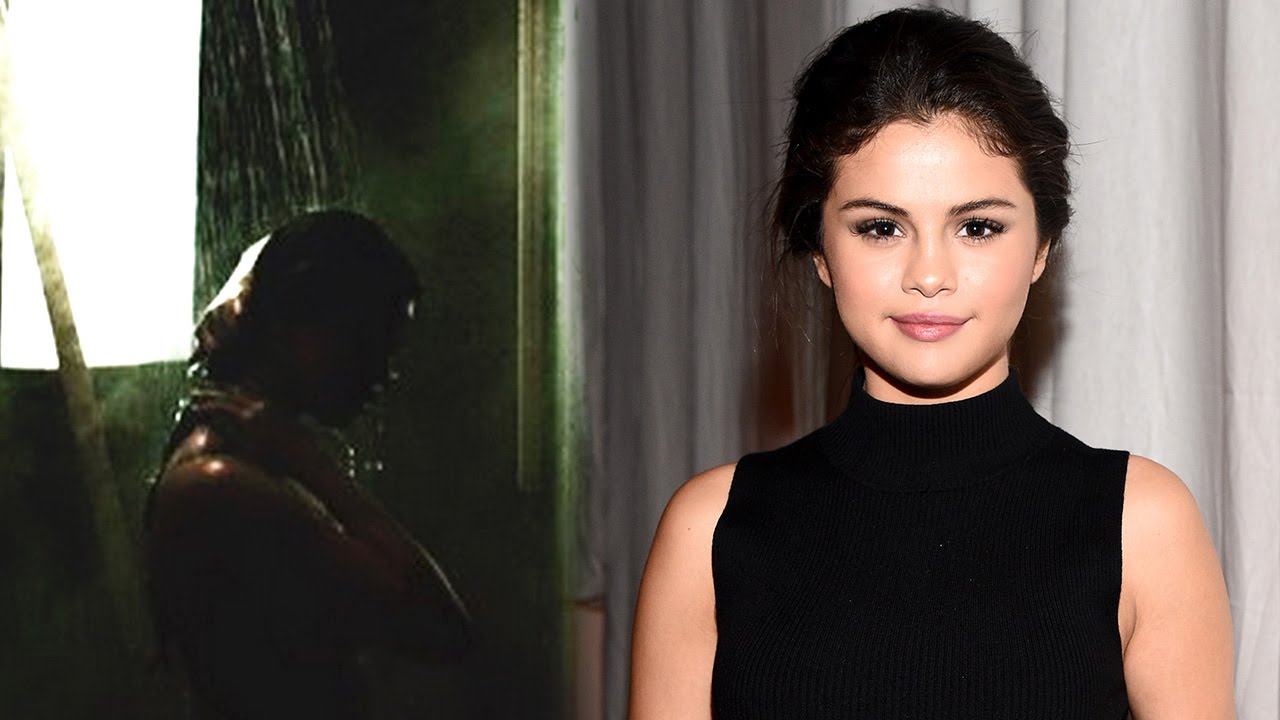
The unauthorized release of private intimate images of Selena Gomez in 2014 marked a defining moment in the intersection of digital privacy, celebrity culture, and online exploitation. The leak, originating from a widespread iCloud breach targeting high-profile figures, exposed vulnerabilities in digital security while sparking a global conversation about consent, media ethics, and the psychological toll of non-consensual image dissemination. Within hours, the images spread across platforms like Twitter, Reddit, and 4chan, transforming a personal violation into a viral phenomenon that reshaped public perception of both Gomez and the broader implications of digital privacy violations.
The leak’s rapid dissemination underscored the anonymity-driven dynamics of online forums, where users shared, altered, and reposted the images without consequence. Mainstream media outlets framed the story through a dual lens—sensationalism and ethical scrutiny—while underground platforms amplified its reach through memes, altered versions, and unfiltered discussions. Gomez’s response, characterized by silence followed by legal action, highlighted the limitations of public figures in reclaiming narrative control over their digital identities.
Timeline of the Leak and Initial Spread
The "Selena Gomez Naked" images first surfaced on September 1, 2014, as part of a larger iCloud hack that exposed private photos of over 100 celebrities, including Jennifer Lawrence, Kate Upton, and Victoria’s Secret models. The breach, attributed to a vulnerability in Apple’s cloud storage system, allowed hackers to access password-protected accounts using brute-force methods. Gomez’s images were among the most widely distributed due to her status as a pop icon and the graphic nature of the content.
Within 24 hours, the images flooded Twitter, where users shared them under hashtags like #SelenaNaked, #GomezLeak, and #iCloudLeak. Reddit’s r/LeakedCelebPics and r/4chan became hubs for unfiltered discussions, with users creating memes, photoshopped edits, and speculative narratives about the images’ origins. By 48 hours, mainstream outlets like TMZ, BuzzFeed, and The Huffington Post had covered the leak, though their framing differed significantly from underground forums.
Public Reaction and Viral Trends
The immediate public response to the leak was a mix of shock, exploitation, and solidarity, reflecting broader societal attitudes toward celebrity privacy and female objectification. On Twitter, the tone oscillated between supportive (e.g., fans defending Gomez) and exploitative (e.g., users sharing the images without consent). Hashtags like #SelenaGomez trended globally, with many users expressing outrage over the hack’s invasiveness, while others engaged in victim-blaming or moralizing debates.
Memes and altered images proliferated across platforms, with users Photoshopping Gomez into pop culture contexts (e.g., Disney movies, The Hunger Games) or pairing the images with unrelated viral trends. 4chan’s /b/ board became a hotspot for anonymous reposting, where users obfuscated links to evade moderation and mocked Gomez’s privacy. Meanwhile, Reddit threads debated the ethics of sharing leaked content, with some arguing it was "just the internet" and others condemning it as digital rape.
A notable trend was the polarized media narrative: while mainstream outlets focused on the technical breach and celebrity culture, underground forums centered on power dynamics and female vulnerability. The leak also intersected with feminist discussions about online harassment, with activists drawing parallels to Revenge Porn cases and non-consensual pornography laws.
Mainstream Media vs. Underground Forums: A Comparative Analysis
The coverage of the "Selena Gomez Naked" leak varied drastically between mainstream media and underground forums, revealing differing priorities in tone, framing, and ethical considerations.
| Aspect | Mainstream Media (TMZ, BuzzFeed, HuffPost) | Underground Forums (4chan, Reddit, Twitter) |
|---|---|---|
| Primary Focus | Technical breach details, celebrity reaction, legal implications | Exploitative sharing, memes, anonymity-driven discussions |
| Tone | Sensationalist yet professional; balanced with victim empathy | Often misogynistic, objectifying, or apolitical |
| Ethical Framing | Discussed privacy laws, Apple’s security failings, celebrity exploitation | Minimal ethical discussion; focus on shock value and anonymity |
| User Anonymity | Attributed to journalists; accountable reporting | Pseudonymous or fully anonymous; no consequences for sharing |
| Long-Term Impact | Highlighted legal battles, public statements, industry changes | Faded quickly; archived in niche corners of the internet |
| Example Headlines | "Selena Gomez’s iCloud Hack: How It Happened and What’s Next" (BuzzFeed) | "Selena Gomez Naked Pics – Best of the Leak" (4chan threads) |
Mainstream media outlets prioritized investigative journalism, interviewing cybersecurity experts and legal analysts to contextualize the breach. In contrast, underground forums treated the leak as entertainment, with little regard for consent or harm. This dichotomy highlighted the power imbalance between institutional journalism and decentralized online culture.
Selena Gomez’s Response and Its Public Image Ramifications
Selena Gomez’s official response to the leak was measured yet firm, reflecting the limited agency public figures have in crisis situations. Initially, she avoided public statements, likely due to legal advice and privacy concerns. However, her legal team filed a restraining order against the hackers, and she later sued Apple for negligence in security, though the case was dismissed in 2016.
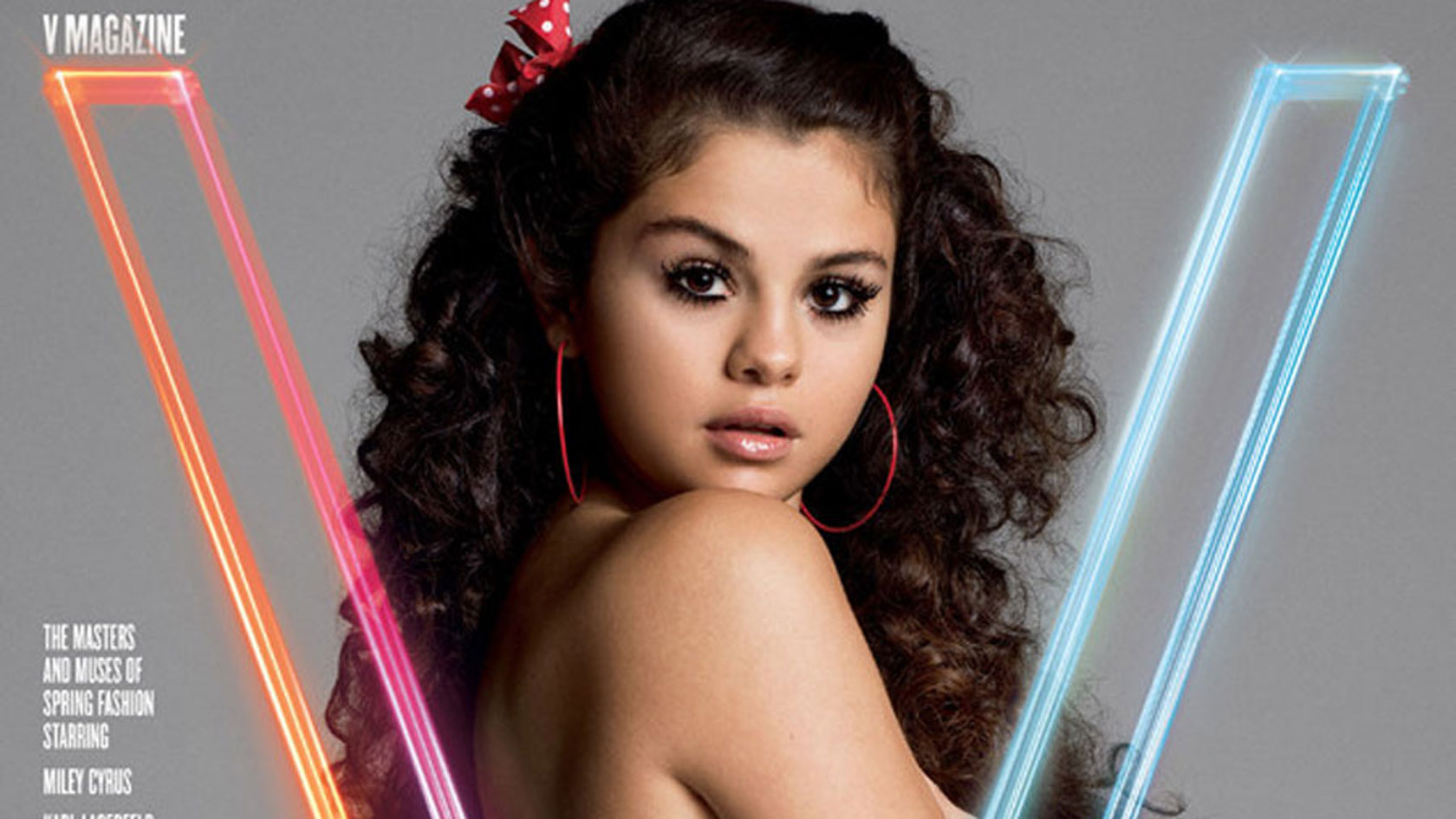
Gomez’s social media silence during the leak’s peak became a strategic move, as engaging publicly could have prolonged the scandal. Instead, her post-leak interviews (e.g., with E! News, V Magazine) emphasized resilience and privacy advocacy, framing the experience as a violation of trust rather than a personal failure. She later supported anti-cyberbullying campaigns, including partnerships with DoSomething.org and The Trevor Project, redirecting public sympathy toward mental health awareness.
The leak temporarily tarnished her image, with some fans and critics questioning her credibility or exploiting the moment for gossip. However, her subsequent comebacks—such as her 2015 album Revival and 2017 film Getaway—helped redefine her narrative, shifting focus from the scandal to her artistic and philanthropic work. By 2016, discussions about the leak had subsided, though it remained a cautionary tale in conversations about digital privacy.
Broader Cultural Conversations: Privacy, Celebrity Exploitation, and Female Objectification
The "Selena Gomez Naked" leak accelerated conversations about privacy in the digital age, particularly for women in entertainment. It occurred amid a growing backlash against online harassment, following high-profile cases like Justine Sacco’s tweet scandal (2013) and the feminist #YesAllWomen movement (2014). The leak exposed the double standards faced by female celebrities: while male celebrities (e.g., Justin Bieber, The Weeknd) often faced scrutiny for personal scandals, women were judged more harshly for privacy violations, even when the breach was not their fault.
The incident also highlighted the exploitation of women’s bodies in media, with many arguing that the leak was a form of digital sexual violence. Feminist critics compared it to Revenge Porn, where intimate images are shared without consent to humiliate or control. The lack of legal consequences for the hackers (only one was briefly arrested in 2017) further undermined victim advocacy, reinforcing the impunity of digital predators.
> "Non-consensual image sharing is a form of gender-based violence. When a woman’s private images are leaked, it’s not just about privacy—it’s about reasserting power dynamics where her body becomes public property. The psychological impact can be devastating, leading to shame, anxiety, and even PTSD in severe cases." > — Dr. Amanda Holliday, Cyberpsych
Selena Gomez’s Career and Public Persona: A Transformation Through Controversy
The "Selena Gomez naked" leak in 2014 marked a pivotal moment in the pop star’s career, reshaping her public image from a Disney Channel icon to a more complex, resilient figure navigating the pressures of digital-age fame. Before the incident, Gomez was synonymous with youthful innocence, her career anchored in family-friendly entertainment and early forays into pop music. Afterward, her persona evolved—balancing vulnerability with defiance, her creative output reflecting a more mature, introspective artist. This transformation extended beyond personal branding to her professional projects, fan interactions, and legal advocacy, illustrating how a single viral moment can redefine a celebrity’s trajectory in an era where privacy is increasingly elusive.
From Disney Princess to Mature Artist: Shifts in Public Persona and Branding
Selena Gomez’s pre-leak persona was carefully crafted as a wholesome, relatable star, a direct descendant of Disney Channel’s teen idols. Her breakout role in Wizards of Waverly Place (2007–2012) cemented her as a leader of Generation Z, embodying the innocence and charm of her target audience. Even as she transitioned into music with Kiss & Tell (2009) and A Year Without Rain (2010), her image remained tied to youthful exuberance, with lyrics and aesthetics aligned with teenage romance and coming-of-age themes. Collaborations with Justin Bieber further reinforced this image, positioning her as the "girl next door" in pop culture.
Post-leak, Gomez’s branding underwent a deliberate shift toward authenticity and emotional rawness. Her music took darker, more introspective turns, evident in albums like Revival (2015) and Rare (2020), where themes of heartbreak, resilience, and self-discovery dominated. The visual aesthetic of her music videos and public appearances also matured—think the moody, cinematic vibe of "Good for You" (2015) or the bold, unapologetic style of "Lose You to Love Me" (2019). This evolution was not just creative but strategic, signaling to fans and industry insiders that she was no longer the same Disney-bound starlet but an artist reclaiming her narrative.
Career Trajectory and Creative Output: Projects Shaped by the Leak’s Aftermath
The 1-2 year window following the leak saw Gomez release a series of projects that reflected her reinvention, both in music and film. Below is a curated list of her major releases during this period, analyzed for potential influences from the incident:
- Music:
- Revival (2015) – Her first post-leak album, Revival marked a departure from teen pop, incorporating electronic and dance influences. Tracks like "Same Old Love" and "Hands to Myself" explored themes of self-worth and emotional detachment, resonating with fans who saw her as a survivor rather than a victim.
- For You (2015) – A deluxe edition of Revival, featuring collaborations with The Weeknd and A$AP Rocky, further cemented her shift toward darker, more experimental pop.
- Selena Gomez Live: For You Tour (2016) – The tour’s visuals and setlist reflected her newfound confidence, with performances of "Good for You" and "Me & the Rhythm" showcasing a more assertive stage presence.
- Film and Television:
- Spring Breakers (2013, released post-leak) – While filming predated the leak, its release in 2013 (amid the scandal’s fallout) took on new significance. Gomez’s role as a young, ambitious college student grappling with morality and ambition could be interpreted as a metaphor for her own struggles with privacy and public perception.
- Neighbors 2: Sorority Rising (2016) – A comedic departure, this film allowed her to distance herself from her pop-star image temporarily, though it was met with mixed reviews, reflecting industry skepticism about her versatility.
- Glow (2017) – Gomez produced and starred in this Netflix series, which tackled themes of female empowerment and resilience in the wrestling world. The show’s success highlighted her growing influence as both an artist and a producer, aligning with her post-leak persona of strength.
- Business Ventures:
- Rare Beauty (2022) – Though launched later, the foundation of Rare Beauty began as a response to her struggles with mental health and self-image, indirectly tied to the leak’s impact on her self-perception. The brand’s mission to promote self-worth reflected her long-term growth.
Gomez’s collaborations during this period also reflected her reinvention. Her work with artists like Zedd ("The Promise", 2015) and Marshmello ("Wolves", 2017) showcased a willingness to experiment, while her partnership with Billie Eilish on "Lose You to Love Me" (2019) signaled a connection with a new generation of artists unafraid to confront personal demons.
Fan Interactions: From Adoration to Advocacy
The leak strained Gomez’s relationship with her fanbase, who were forced to confront the duality of her public and private selves. Initially, the scandal led to a wave of support from fans, who rallied behind her with hashtags like #SelenaGomezStrong and #JusticeForSelena. However, the incident also sparked debates about privacy and consent, with some fans feeling betrayed by the invasion while others empathized with her vulnerability.
Post-leak, Gomez’s interactions with fans became more deliberate and personal. On social media, she shared snippets of her recovery journey, posting recovery updates from her kidney transplant (2017) and mental health struggles, which fans interpreted as a continuation of her transparency. Tours like the Revival Tour (2016) and Rare Tour (2023) became spaces for connection, with Gomez often acknowledging the leak’s impact in interviews and behind-the-scenes content. For example, during the Revival Tour, she dedicated "Good for You" to her fans, framing it as an anthem of resilience—a direct response to the trauma of the leak.
However, the incident also led to a more guarded approach to fan engagement. While she remained accessible, she minimized personal details shared on social media, recognizing the risks of oversharing in an era where private moments could be weaponized. This shift mirrored broader trends among celebrities, who now prioritize controlled narratives over unfiltered authenticity.
Legal and Public Responses: Fighting Back Against Revenge Porn
Gomez’s legal response to the leak was swift and aggressive. In 2014, she filed a lawsuit against the hacker, Ken Atkins, under the California anti-revenge porn law, making her one of the first celebrities to use the statute to combat non-consensual image distribution. The lawsuit highlighted the broader issue of cyberbullying and revenge porn, which had gained traction in legal circles following high-profile cases like that of Jennifer Lawrence (2014).
Her public statements during this period were a mix of defiance and vulnerability. In interviews with Rolling Stone (2015) and The Tonight Show Starring Jimmy Fallon, she refused to be defined by the scandal, stating: > "I’m not going to let this define me. I’ve been through a lot, and I’ve come out stronger."
Gomez also used her platform to advocate for victims of revenge porn, collaborating with organizations like Cyber Civil Rights Initiative and End Revenge Porn. Her 2015 Revival Tour included a moment where she addressed the leak head-on, telling fans: > "I’ve learned that you can’t control what people say about you, but you can control how you react."
This advocacy extended to her music, with songs like "Hands to Myself" serving as metaphors for reclaiming autonomy over her body and narrative.
Comparative Analysis: Gomez’s Response Versus Other Celebrities
Gomez’s handling of the leak drew comparisons to other celebrities who faced similar invasions of privacy, particularly Jennifer Lawrence and Ariana Grande. Each responded differently, offering insights into how fame, gender, and industry expectations shape reactions to scandal.
- Jennifer Lawrence (2014 Hacking Scandal):
Lawrence’s response was characterized by blunt anger and a refusal to engage with the media’s speculation. In a Vanity Fair interview, she called the hackers *"a bunch
The Ethical and Legal Landscape: Revenge Porn, Hacking, and Celebrity Privacy
The leak of private images involving Selena Gomez in 2014 exposed systemic vulnerabilities in digital privacy, cybersecurity, and legal protections for victims of non-consensual image distribution. Beyond the immediate fallout of the incident, the case became a catalyst for broader discussions on revenge porn laws, the role of technology companies in safeguarding user data, and the ethical responsibilities of media platforms. Legal frameworks in jurisdictions like the U.S. and UK have since evolved to address these issues, while tech giants have implemented policy changes to mitigate the spread of such content. This section examines the legal definitions and consequences of revenge porn, the exploitation of security vulnerabilities by hackers, the responses from tech companies, and the comparative legal outcomes for high-profile victims. It also explores the ethical dilemmas faced by media outlets and platforms during the leak, alongside key legislative developments and advocacy efforts supporting victims.Legal Definitions and Consequences of Revenge Porn and Non-Consensual Image Distribution
Revenge porn—defined as the distribution of explicit images or videos without consent, often to humiliate or harass—has been criminalized in numerous jurisdictions, though legal definitions and penalties vary significantly. In the U.S., California’s Erin’s Law (2013) and New York’s Agostini Law (2015) were among the first to explicitly address non-consensual sharing of intimate images, with penalties including misdemeanor or felony charges depending on the circumstances. Under California law, for instance, distributing intimate images without consent is punishable by up to one year in county jail and fines up to $1,000, while aggravated cases (e.g., involving minors or threats) can escalate to three years in state prison. The U.S. federal law, the Stop Enabling Sex Traffickers Act (SESTA) (2018), further criminalizes the knowing promotion of prostitution or sex trafficking through online platforms, indirectly addressing revenge porn by holding websites liable for facilitating such crimes. In the UK, the Malicious Communications Act (2003) and the Protection of Freedoms Act (2012) provide legal recourse, with offenses punishable by up to two years in prison. The General Data Protection Regulation (GDPR) (applicable across the EU) grants victims the right to erasure of personal data, including intimate images, and imposes fines on companies failing to comply. Gomez’s case highlighted gaps in these laws, particularly regarding jurisdictional challenges—since the leak originated from hacked iCloud accounts, legal action required coordination across multiple states and international platforms."Revenge porn is not just a violation of privacy; it’s a form of digital abuse with long-lasting psychological and professional consequences for victims." — National Network to End Domestic Violence (NNEDV)
Exploitation of Security Vulnerabilities: A Case Study in Cybersecurity Failures
The 2014 hack that exposed Gomez’s private photos was part of a broader iCloud security breach affecting over 100 celebrities, including Jennifer Lawrence and Kate Upton. Hackers exploited a combination of weak password practices and phishing attacks to gain access to accounts. The process unfolded as follows: 1. Weak Passwords and Password Reuse Many victims, including Gomez, used simple or reused passwords (e.g., "password123" or variations of their names). Hackers leveraged brute-force attacks—systematically trying password combinations—to compromise accounts. 2. Phishing Attacks on Apple’s Find My iPhone Feature Hackers sent fake security alerts via email or SMS, tricking users into clicking malicious links. These links redirected victims to fake login pages that captured credentials, granting access to iCloud accounts. 3. Exploitation of Apple’s Two-Factor Authentication Flaws At the time, Apple’s two-factor authentication (2FA) required users to enter a six-digit code sent via SMS. Hackers intercepted these codes by SIM-swapping—convincing mobile carriers to transfer victims’ phone numbers to a new SIM card controlled by the hackers. 4. Mass Download and Distribution Once access was gained, hackers automated scripts to download and encrypt private photos, then demanded Bitcoin ransoms for their return. When payments weren’t made, the images were leaked to adult websites and forums. This case underscored critical cybersecurity best practices, including: - Using unique, complex passwords (e.g., passphrases with 12+ characters).
- Enabling two-factor authentication with app-based authenticators (e.g., Google Authenticator) instead of SMS.
- Regularly monitoring account activity for unauthorized access.
- Avoiding public Wi-Fi for sensitive transactions.
- Enhanced Two-Factor Authentication Apple phased out SMS-based 2FA in favor of hardware-based security keys (e.g., YubiKey) and app-based authenticators, reducing the risk of SIM-swapping attacks.
- Legal Action Against Hackers Apple collaborated with the FBI to track down the hackers, leading to the 2016 arrest of Ryan Collins, a key figure in the breach. Collins was charged with conspiracy to commit computer intrusion and faced up to 10 years in prison.
- Proactive User Notifications Apple introduced suspicious login alerts and account security recommendations, encouraging users to review recent activity. Social media platforms also took steps to combat the spread of non-consensual content:
- Twitter implemented automated detection tools for revenge porn and partnered with organizations like Cyber Civil Rights Initiative (CCRI) to remove violating content.
- Reddit introduced community moderation tools and automated filters to detect and remove explicit images shared without consent.
- Google and Facebook expanded their hash-matching technology, allowing victims to report and block leaked images across platforms. However, critics argue that lagging enforcement and platform algorithms prioritizing engagement (e.g., viral posts) often hinder effective moderation. The 2021 Facebook whistleblower revelations further exposed how profit-driven content policies sometimes conflict with user safety.
- Gather screenshots, URLs, and timestamps of the leaked content.
- Preserve emails, messages, or social media posts related to the leak.
- Consult a computer forensic expert to trace the origin of the hack. 2. Removal of Content from Platforms
- Submit DMCA takedown requests to hosting sites (e.g., Reddit, Twitter).
- File GDPR erasure requests (for EU-based platforms) or state-specific takedown notices (e.g., California’s Civil Code § 1708.8).
- Use third-party services like WithoutMyConsent.org to assist in removals. 3. Criminal and Civil Legal Action
- Press Criminal Charges: File reports with local law enforcement and FBI Internet Crime Complaint Center (IC3).
- File Civil Lawsuits: Sue for intentional infliction of emotional distress, invasion of privacy, or violation of state revenge porn laws.
- Seek Damages: Compensatory damages (e.g., medical/therapy costs) and punitive damages (to deter future violations). 4. Collaboration with Advocacy Organizations
- Partner with groups like CCRI, NNEDV, or End Revenge Porn for legal support and media assistance.
- Apply for victim compensation funds (e.g., California’s Victim Compensation Program). 5. Public and Media Strategy
- Work with PR firms to manage narrative and prevent further sensationalism.
- Issue public statements to reclaim agency (as Gomez did in interviews with Rolling Stone and The Tonight Show). Visual Flowchart Description (Text-Based): [Start] → [Document Evidence] → [Remove Content (DMCA/GDPR)] ↘ [File Police Report
- Emphasis on "scandal" and "taboo"—language centered on gossip and titillation.
- Questions about Gomez’s "complicity" (e.g., "Was she aware of the leak?").
- Minimal discussion of legal consequences for hackers; focus on "celebrity culture."
- Use of "leaked" or "stolen" without clear moral judgment on the act itself.
- Fan forums and 4chan threads dominated by objectification and victim-blaming rhetoric.
- Language of "violence" and "exploitation"—framing leaks as crimes against individuals.
- Focus on platform accountability (e.g., Twitter’s delayed removal of non-consensual content).
- Legal discussions expanded to include revenge porn laws (e.g., California’s Revenge Porn Statute).
- Critiques of "slut-shaming" and "double standards" in media coverage.
- Activist campaigns (e.g., #NotGuiltyUntilProvenInnocent) challenging automatic assumption of guilt for victims.
- 2015: Revival Album Release Gomez’s second studio album, Revival, debuted in October 2015, featuring themes of heartbreak and self-discovery. The album’s success (debuting at No. 1 on the Billboard 200) signaled her artistic growth, with songs like "Hands to Myself" becoming anthems of empowerment.
- 2017: For You and Rare Reissues The reissues of her earlier albums, For You and Rare, included new tracks and a more polished sound. This period marked her transition from teen pop to a mature artist, with Rare achieving diamond certification in 2021.
- 2019: Prism Tour and Lupus Advocacy Gomez’s headlining Prism tour (2019) coincided with her public discussions about lupus, shifting focus from the leak to health advocacy. Her transparency about the chronic illness humanized her and redirected narrative control.
- 2020: Launch of Rare Beauty The pandemic-era launch of Rare Beauty positioned Gomez as a business innovator, with the brand’s mission resonating globally. Its focus on mental health and self-acceptance aligned with her post-leak persona.
- 2021: Only Murders in the Building and Revelación Gomez’s role in the Hulu series Only Murders in the Building (2021) earned critical acclaim, proving her versatility. Simultaneously, her Spanish-language album Revelación (2021) showcased her linguistic and cultural expansion.
- 2023: Endless Summer Vacation and Rare Beauty Expansion Her 2023 album, Endless Summer Vacation, blended pop and Latin influences, while Rare Beauty’s expansion into global markets solidified her as a cultural icon beyond music.
- Revoking access to compromised accounts immediately.
- Notifying relevant platforms (e.g., social media, cloud providers) to disable leaked content.
- Consulting legal counsel to assess potential legal recourse, such as DMCA takedowns or cease-and-desist letters.
- Monitoring dark web forums for leaked credentials using services like DeHashed or SpyCloud.
- Microsoft’s Video Authenticator uses AI to analyze visual and audio inconsistencies in videos, helping identify synthetic content.
- Hive Moderation employs machine learning to scan uploaded images against a database of known leaked or manipulated media, alerting users or platforms to potential violations.
- Sensity AI specializes in detecting deepfakes and AI-generated images, offering solutions for social media platforms and law enforcement. Despite these advancements, AI systems are not foolproof. Adversarial attacks—where hackers manipulate images to evade detection—pose a significant challenge. Continuous updates and human oversight remain critical to maintaining accuracy. Blockchain for Digital Ownership and Consent Blockchain technology is being explored as a means to verify digital ownership and consent for personal media. Initiatives like:
- Ascribe allow creators to register ownership of digital assets on the blockchain, providing a tamper-proof record of authenticity.
- LBRY enables decentralized storage of media, reducing reliance on centralized platforms vulnerable to breaches.
- Consent-based platforms (e.g., OnlyFans’ blockchain experiments) aim to give users control over who can access or distribute their content, though scalability and user adoption remain hurdles. Blockchain also facilitates smart contracts for automatic enforcement of privacy agreements. For instance, a smart contract could automatically revoke access to leaked images if a breach is detected, ensuring compliance with consent terms. Decentralized and Encrypted Messaging Traditional messaging apps often store metadata (e.g., timestamps, recipient info) on centralized servers, creating vulnerabilities. Decentralized alternatives such as:
- Matrix (Element) use end-to-end encryption and decentralized servers to minimize data exposure.
- Session combines Signal’s encryption with a decentralized architecture, reducing reliance on a single point of failure.
- Tox offers peer-to-peer communication with no central authority, though its user base is currently limited. These platforms prioritize user-controlled data retention, allowing individuals to delete messages or media without relying on a third party.
- California’s Civil Code § 1708.8 (2013): Allows victims to sue perpetrators for damages, including emotional distress.
- Federal Trafficking Victims Protection Act (TVPA) Amendments (2018): Criminalizes the distribution of intimate images without consent, with penalties up to 15 years in prison.
- New York’s AG Cybersecurity Regulation (2023): Requires companies to implement reasonable cybersecurity measures to protect user data, though enforcement remains inconsistent. European Union: GDPR and the Right to Be Forgotten The General Data Protection Regulation (GDPR), enforced since 2018, grants individuals stronger control over their personal data, including the right to erasure (Article 17) and right to rectification (Article 16). Key provisions include:
- Mandatory data minimization, requiring companies to limit data collection to what is necessary.
- Strict consent requirements, where explicit, informed, and freely given consent is required for processing sensitive data (e.g., intimate images).
- Fines up to 4% of global revenue for non-compliance, incentivizing platforms to prioritize user privacy. Despite these protections, GDPR has limitations:
- Jurisdictional challenges: Enforcement is complex when perpetrators or platforms operate across borders.
- Platform accountability: Social media companies often cite Section 230 immunity (U.S.) or hosting liability exemptions (EU) to avoid responsibility for user-uploaded content.
- Deepfake exemptions: Current laws do not explicitly address AI-generated non-consensual content, creating a regulatory void. International Jurisdictional Challenges Non-consensual image leaks frequently involve cross-border distribution, complicating legal recourse. For example:
- A victim in the U.S. may struggle to prosecute a perpetrator in Russia or China, where laws may not recognize revenge porn as a crime.
- Extradition treaties often fail to address cybercrimes, leaving victims without avenues for justice.
- Anonymity tools (e.g., Tor, VPNs) enable perpetrators to operate with impunity, as law enforcement struggles to trace their locations. Gaps in Platform Accountability Social media platforms
"The iCloud breach was a wake-up call for how even high-profile individuals can fall victim to basic security oversights. The hackers didn’t exploit a flaw in Apple’s system—they exploited human behavior." — Brian Krebs, Cybersecurity Journalist
Tech Companies’ Responses: Policy Changes and Content Moderation
The Gomez leak prompted Apple, Twitter, Reddit, and other platforms to implement policy changes and enhance content moderation efforts. Apple’s response was particularly notable:Legal Process Flowchart for Victims: Removal, Charges, and Damages
Victims like Selena Gomez can pursue multiple legal avenues to address non-consensual image distribution. Below is a step-by-step flowchart outlining potential actions: 1. Documentation and Evidence CollectionCultural Shifts: How the "Selena Gomez Naked" Leak Reshaped Discussions on Consent, Feminism, and Digital Privacy
The unauthorized dissemination of intimate images of Selena Gomez in 2014 did not merely expose a privacy violation—it ignited a cultural reckoning. The incident became a pivotal moment in the digital age, catalyzing conversations about consent, the objectification of women in entertainment, and the evolving ethics of privacy. Unlike previous celebrity leaks, which were often dismissed as tabloid fodder, the Gomez case forced society to confront systemic issues of gender, power, and accountability in an era where technology outpaced ethical frameworks. Feminist activists, journalists, and public figures seized the opportunity to dissect how digital spaces perpetuate harm, while platforms like Twitter and Reddit became battlegrounds for redefining victimhood and responsibility. The leak’s ripple effects extended beyond entertainment, influencing industries from sports to politics, where non-consensual image sharing exposed similar vulnerabilities. Meanwhile, social media algorithms both amplified the harm and, in some cases, mitigated it through evolving policies and user activism. This section examines how the incident became a cultural inflection point, reshaping public discourse on digital consent and the intersection of gender with privacy rights.Consent in the Digital Age: The Entertainment Industry’s Unique Vulnerabilities
The Selena Gomez leak underscored a critical paradox: while celebrities are often celebrated for their public personas, their private lives remain fair game in the eyes of many. The entertainment industry, in particular, operates within a culture where personal boundaries are frequently blurred by paparazzi, fan expectations, and industry norms. For women in Hollywood, this dynamic is further complicated by slut-shaming, double standards, and the commodification of their bodies—both on-screen and off. The leak revealed how easily intimate images, once stolen, can be weaponized to reinforce these systemic biases, with discussions often shifting from the hacker’s criminality to the victim’s perceived "responsibility" for the breach. Feminist activists and scholars highlighted how the incident mirrored broader patterns of victim-blaming in cases involving women. For example, Amnesty International’s 2015 report on cybersex trafficking drew direct parallels between the Gomez leak and the global issue of revenge porn, framing it as part of a larger ecosystem of digital abuse. Meanwhile, journalists like Jessica Valenti, founder of The Guardian’s feminist platform The Vagenda, argued that the leak was less about Gomez’s personal choices and more about the industry’s failure to protect women from exploitation. Valenti’s 2014 piece, "Why We Need to Stop Blaming Women for Being Victims of Revenge Porn," became a manifesto for reframing the narrative around consent in digital spaces. The entertainment industry’s response to the leak also exposed its hypocrisy. While male celebrities like Justin Bieber faced similar leaks in the early 2010s—such as the 2014 hack of his private photos—public reactions differed starkly. Bieber’s case was often framed as a "boy band scandal" or a "coming-of-age moment," with less emphasis on victimization and more on the novelty of the content. In contrast, Gomez’s leak was dissected through a gendered lens, with media outlets scrutinizing her relationship status, past relationships, and even her fashion choices as potential triggers for the hack. This disparity illustrated how female celebrities are held to higher standards of "respectability" in both their public and private lives.Feminist Activism and Media Narratives: From "Hacking Scandal" to "Privacy Violation"
The evolution of media narratives surrounding the Gomez leak between 2014 and 2024 reflects broader cultural shifts in how society processes digital privacy violations. Initially, the incident was dominated by sensationalist headlines—"Selena Gomez Naked Pics Leaked!"—focusing on the shock value of the content rather than the ethical implications. By 2020, however, language had shifted toward "privacy violations," "digital rights," and "systemic exploitation," signaling a growing awareness of the legal and moral dimensions of such leaks. A comparison of media framing reveals these changes:| 2014 Narratives | 2020–2024 Narratives |
|---|---|
|
|
|
Cross-Industry Parallels: How Other Sectors Addressed Non-Consensual Image Leaks
While the entertainment industry has been a primary battleground for these issues, other sectors—particularly sports, politics, and academia—have faced similar challenges, though with distinct dynamics. A case study of Lindsay Van der Poel, an Olympic snowboarder whose intimate images were leaked in 2017, reveals how athletes are not immune to digital exploitation. Unlike Gomez, Van der Poel’s case received less media scrutiny, reflecting how female athletes are often deprioritized in discussions of celebrity culture. Yet, her experience highlighted how sports organizations lack protocols for handling privacy violations, leaving victims to navigate legal and emotional fallout alone. In politics, the 2016 leak of private messages from Hillary Clinton’s campaign staff—while not involving explicit images—demonstrated how gender and power intersect in digital privacy violations. The incident was framed as a "hacking scandal" rather than a violation of women’s autonomy, with media outlets focusing on Clinton’s campaign strategy over the ethics of exposing personal communications. This mirrored the gendered double standards seen in the Gomez case, where female victims’ privacy was treated as less deserving of protection. Meanwhile, academia and journalism have also grappled with non-consensual image leaks, though often under the radar. In 2020, multiple female journalists reported receiving threatening leaks of private messages or images as a form of professional intimidation. Unlike celebrities, these women lacked the legal and financial resources to pursue cases, exposing how privacy violations disproportionately target marginalized groups with fewer protections.The Role of Social Media Algorithms: Amplification and Mitigation of Harm
Social media platforms played a dual role in the aftermath of the Gomez leak: both as vectors of harm and as potential safeguards. Initially, Twitter, Reddit, and 4chan became hubs for the rapid dissemination of the images, with trending hashtags (#SelenaGomezLeak) and "while you were away" notifications ensuring the content reached millions. The algorithm-driven nature of these platforms meant that even after images were removed, screenshots and reposts kept the content circulating, prolonging the trauma for Gomez and other victims. However, the incident also acceleratedThe Long-Term Legacy: Selena Gomez’s Reinvention and the Lingering Impact of the Leak
Selena Gomez’s response to the 2014 leak of private images was not just a moment of vulnerability but a catalyst for one of the most deliberate reinventions in modern pop culture. Beyond the immediate scandal, her post-leak trajectory—marked by creative pivots, business ventures, and advocacy—reflects a strategic reclaiming of her narrative. While the leak exposed her to public scrutiny, her subsequent actions transformed it into a chapter rather than a defining moment. This section examines how Gomez’s career, fan engagement, and public persona evolved in the decade following the leak, analyzing whether her resilience strengthened or complicated her brand in the digital age.Strategic Reinvention Through Art and Business
Gomez’s post-leak reinvention unfolded through a calculated blend of artistic reinvention and entrepreneurial ventures, each serving as a deliberate step away from the scandal’s shadow. Her 2015 album Revival, produced in collaboration with Julia Michaels, marked a creative and sonic departure from her earlier Disney and pop-rock phases. Tracks like "Good for You" and "Same Old Love" embraced a raw, confessional style that mirrored her personal struggles, including the leak’s aftermath. Critics praised the album for its vulnerability, positioning it as a therapeutic release rather than a direct response to the scandal. Meanwhile, her foray into television with Only Murders in the Building (2021) further diversified her brand, showcasing her comedic and dramatic range beyond music. Beyond entertainment, Gomez’s 2020 launch of Rare Beauty, a makeup and skincare brand, exemplified her shift toward empowerment-driven business. The brand’s mission—centered on self-worth and mental health—aligned with her advocacy for lupus awareness and mental health, subtly reframing the leak’s narrative. Rare Beauty’s success, including a $1 billion valuation in 2023, demonstrated how Gomez leveraged her post-scandal persona to build a legacy rooted in authenticity and resilience. These ventures suggest that the leak, while damaging, became a turning point for a more mature, multifaceted career strategy.Chronological Timeline of Gomez’s Post-Leak Comebacks
Gomez’s reinvention was not instantaneous but a series of deliberate comebacks, each reinforcing her evolution. Below is a chronological breakdown of her major post-leak milestones, illustrating how the scandal influenced her trajectory:The Role of the Selena Gomez Squad in Narrative Support
Gomez’s fanbase, known as the Selena Gomez Squad, played a pivotal role in mitigating the leak’s damage through unwavering support and activism. Fans organized campaigns such as #SelenaStrong, flooding social media with messages of solidarity and creating custom merchandise (e.g., hoodies with empowering slogans). During her 2015 tour, the Squad’s presence at venues became a symbol of collective resilience, often chanting "We love you, Selena!" to drown out any lingering negativity. The fanbase also engaged in digital activism, using platforms like Twitter and TikTok to amplify Gomez’s advocacy for lupus awareness and mental health. Rare Beauty’s launch was met with pre-orders exceeding $100 million, partly driven by fan loyalty. This organic support demonstrated how Gomez’s reinvention was not just industry-driven but deeply rooted in fan devotion, turning the leak’s aftermath into a shared story of empowerment.Public Persona: Balancing Scandal with Advocacy
Gomez’s handling of the leak contrasts with her later discussions about lupus and mental health, revealing a shift from defensive silence to proactive transparency. Initially, she avoided direct comments about the leak, but her 2019 lupus diagnosis marked a turning point. By openly discussing her health struggles, she redefined her public image from a victim of scandal to an advocate for chronic illness awareness. This pivot allowed her to reclaim agency, framing her personal battles—both digital and physical—as part of a larger narrative of strength. Her mental health advocacy, including partnerships with organizations like The Jed Foundation, further blurred the lines between her personal and professional personas. The leak’s lingering stigma was overshadowed by her broader impact, positioning her as a voice for digital privacy and celebrity resilience. This intersection of personal and professional narratives underscores how Gomez transformed a potential career setback into a platform for broader cultural conversations.Evolution of Social Media Presence: 2014–2024
Gomez’s social media strategy evolved significantly post-leak, reflecting her reinvention and growing boundaries with fans. Below is a table outlining key shifts in her digital presence:| Year | Platform | Content Focus | Engagement Strategy | Notable Changes |
|---|---|---|---|---|
| 2014 | Twitter/Instagram | Personal updates, music promos | Highly interactive, frequent posts | Leak exposed vulnerabilities, leading to temporary silence. |
| 2015–2017 | Instagram (primary) | Behind-the-scenes, tour snippets, album art | Controlled engagement, selective fan interactions | Shift toward curated, professional imagery; reduced personal sharing. |
| 2018–2020 | Instagram Stories, Rare Beauty teasers | Brand promotions, health advocacy | Strategic storytelling, limited direct fan Q&As | Focus on Rare Beauty and lupus awareness; less personal content. |
| 2021–2023 | Instagram, TikTok | Project updates, fan appreciation, advocacy | Balanced professional and personal, boundary-setting | Increased use of TikTok for brand campaigns; selective fan interactions. |
| 2024 | Instagram, Twitter/X | Music releases, Rare Beauty updates, mental health discussions | Controlled narrative, occasional vulnerability | Matured content strategy; prioritizes advocacy over personal sharing. |
Lessons for the Future: Privacy, Security, and the Entertainment Industry
The Selena Gomez nude image leak exposed systemic vulnerabilities in digital privacy, forcing a reckoning across the entertainment industry and beyond. While technological advancements and legal frameworks have evolved since 2014, the incident remains a stark reminder of the persistent risks faced by public figures—and increasingly, everyday users. This section explores actionable strategies for securing digital privacy, emerging technologies that could mitigate future breaches, and the critical gaps in legal and platform-level protections. By examining stakeholder responsibilities, industry-specific risks, and the role of education, this analysis provides a roadmap for individuals and organizations to adapt to an era where privacy is under constant siege.Step-by-Step Guide to Securing Digital Privacy
Celebrities and public figures are prime targets for privacy violations, but everyday users are not immune. A multi-layered approach to digital security is essential to prevent unauthorized access to personal data, images, or communications. The following measures form the foundation of a robust privacy strategy, applicable to individuals across all professions. Password and Authentication Management Weak or reused passwords are a primary entry point for hackers. Implementing a password manager—such as Bitwarden, 1Password, or LastPass—generates and stores complex, unique passwords for every account. Two-factor authentication (2FA) should be enabled wherever possible, with hardware tokens (e.g., YubiKey) or authenticator apps (e.g., Google Authenticator, Authy) preferred over SMS-based verification, which is vulnerable to SIM-swapping attacks. For high-risk accounts (e.g., email, social media, financial), consider biometric authentication or FIDO2-compliant security keys for an additional layer of protection. Secure Cloud and Device Storage Cloud storage services (e.g., Google Drive, Dropbox, iCloud) are convenient but often lack end-to-end encryption by default. Opt for encrypted alternatives such as Proton Drive, Cryptomator, or Tresorit, which provide client-side encryption to ensure files remain unreadable without the user’s decryption key. For sensitive media, avoid storing original files on any cloud platform; instead, use lossless compression tools (e.g., 7-Zip with AES-256 encryption) to minimize exposure. Physical devices should be secured with full-disk encryption (FileVault for macOS, BitLocker for Windows, or LUKS for Linux) and secure boot enabled to prevent unauthorized access. Communication Security Email and messaging platforms are frequent targets for phishing and surveillance. Replace standard email with ProtonMail or Tutanota, which offer end-to-end encryption and self-destructing messages. For private conversations, use Signal, Session, or WhatsApp (with end-to-end encryption enabled) and disable cloud backups. Avoid discussing sensitive topics over unsecured Wi-Fi networks; instead, use a virtual private network (VPN) like ProtonVPN or Mullvad to encrypt internet traffic. Regular Audits and Incident Response Conduct quarterly security audits to review account activity, enabled permissions, and stored data. Tools like Have I Been Pwned can alert users to data breaches involving their email addresses. In the event of a breach, have a pre-defined incident response plan, including:Technological Advancements in Privacy Protection
The rapid evolution of technology presents both risks and solutions to privacy violations. Innovations in artificial intelligence, blockchain, and decentralized systems are being leveraged to detect, prevent, and mitigate non-consensual image leaks. However, their effectiveness depends on widespread adoption and ethical implementation. AI-Driven Image Recognition and Content Moderation Companies like Microsoft, Google, and Amazon have developed AI-powered tools to detect and flag deepfakes, manipulated images, and revenge porn. For example:Effectiveness of Current Laws and Policy Gaps
Legal frameworks for addressing privacy violations vary significantly by jurisdiction, creating inconsistencies in protection for victims. While some countries have enacted robust laws, others lag behind, leaving gaps that perpetrators exploit. A comparison of key legal measures reveals both progress and persistent challenges. United States: The Revenge Porn Laws and Cyberintimidation Acts The U.S. has seen state-level legislation targeting non-consensual image sharing, with 46 states and the District of Columbia criminalizing revenge porn under varying definitions. Key laws include:The Selena Gomez naked leak remains more than a footnote in digital history—it is a cautionary tale about the intersection of fame, technology, and unchecked power. From the hackers who exploited security flaws to the platforms that failed to curb the spread, the incident exposed systemic failures in protecting privacy while simultaneously propelling Gomez into a reinvention that redefined resilience. Today, as deepfakes and AI-driven threats loom, her story serves as a critical case study on how celebrities navigate scandal, reclaim narrative, and demand accountability in an age where personal boundaries are constantly under siege. The leak’s legacy endures not just in the shadows of the internet, but in the evolving laws, platform policies, and cultural conversations it ignited.
Leave a Comment
Comments are moderated before appearing. The data you submit is processed according to the Privacy Policy of Staging Miltech.