cute things to draw mastering adorable artistic expressions
Table of Contents
- Introduction to Drawing Cute Things: Why It Captivates Creatives
- Historical Timeline of Cute Art Evolution
- Psychological and Cultural Appeal of Cute Aesthetics
- Demographic Reach: How Cute Art Unites Age Groups
- Stylistic Breakdown: Cute vs. Chibi vs. Kawaii
- Step-by-Step Guides to Drawing Iconic Cute Subjects
- Drawing Exaggerated Animal Faces with Beginner-Friendly Techniques
- Simplifying Human Cute Characters with Anime and Fairy-Tale Proportions
- Anthropomorphizing Food and Objects for Irresistible Charm
- Transforming Fantasy Creatures with Cute Twists
- Tools and Techniques for Achieving the Perfect Cute Aesthetic
- Traditional vs. Digital Tools for Cute Art: A Comparative Analysis
- Essential Digital Brushes and Textures for a Hand-Drawn Feel
- Color Theory in Cute Art: Evoking Emotion Through Palettes
- Themes and Inspirations for Cute Art: From Whimsical to Adorable
- Nature-Inspired Cute Subjects and Stylization Techniques
- Holiday and Seasonal Cute Art Adaptations
- Pop Culture and Fandom-Inspired Cute Art
- Personalized Cute Art: Techniques for Sentimental Touches
- Turning Cute Drawings into Digital Products and Merchandise
- Designing Print-on-Demand Cute Art for Marketplaces
- Structuring Digital Downloads for Instant Delivery
- Monetizing Cute Art on Etsy, Gumroad, and Patreon
- Creating Cute-Themed Merchandise: Plushies, Keychains, and Jewelry
- Communities and Trends: Where to Find and Share Cute Art
- Online Platforms for Sharing Cute Art and Profile Optimization
- Participating in Challenges and Trends for Growth
- Collaborating with Other Artists: Strategies and Best Practices
- Local and Offline Opportunities for Showcasing Cute Art
From the delicate lines of Studio Ghibli characters to the viral charm of Sanrio’s Hello Kitty, cute art has transcended cultural boundaries, becoming a universal language of joy and creativity. Psychological studies reveal that exaggerated features—sparkling eyes, chubby cheeks, and pastel hues—trigger dopamine responses, reducing stress while fostering emotional connections across generations. This aesthetic, rooted in Victorian-era "preciousness" and refined by Disney’s animated classics, now thrives in digital spaces, where memes like "skibidi" and "drip" redefine cuteness for millennials and Gen Z.
Beyond personal satisfaction, cute art fuels a billion-dollar industry, with Etsy sales of adorable merchandise surging 120% over five years and Pinterest searches for "draw cute" peaking during global lockdowns. Yet its influence extends far beyond commerce—therapists use it to engage trauma survivors, educators deploy it to teach proportion and color theory, and corporations wield it in branding to humanize products. Whether through the hyper-stylized kawaii of Tokyo’s Harajuku district or the minimalist charm of chibi illustrations, this art form bridges gaps, proving that simplicity and emotion are not mutually exclusive.
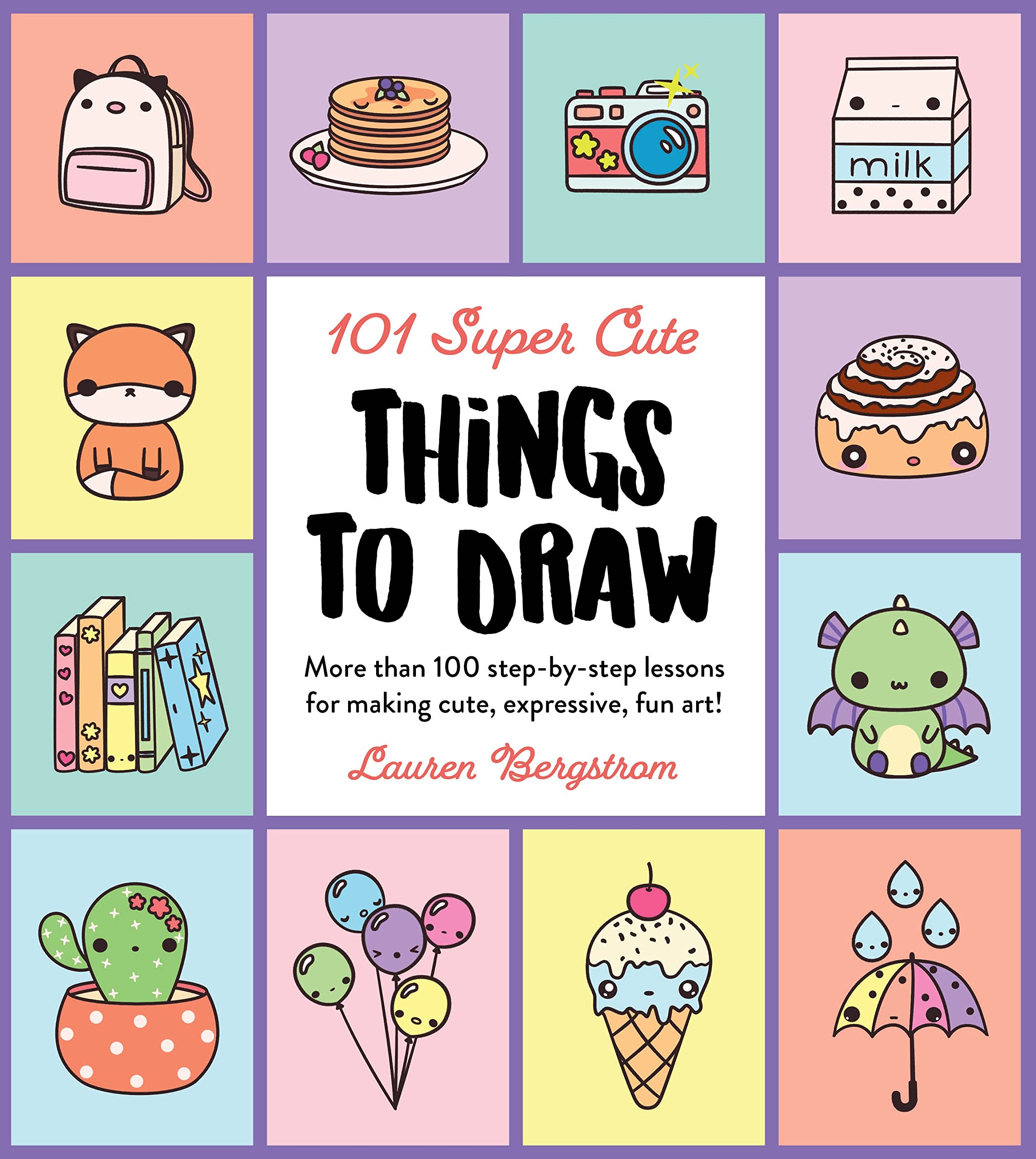
Introduction to Drawing Cute Things: Why It Captivates Creatives
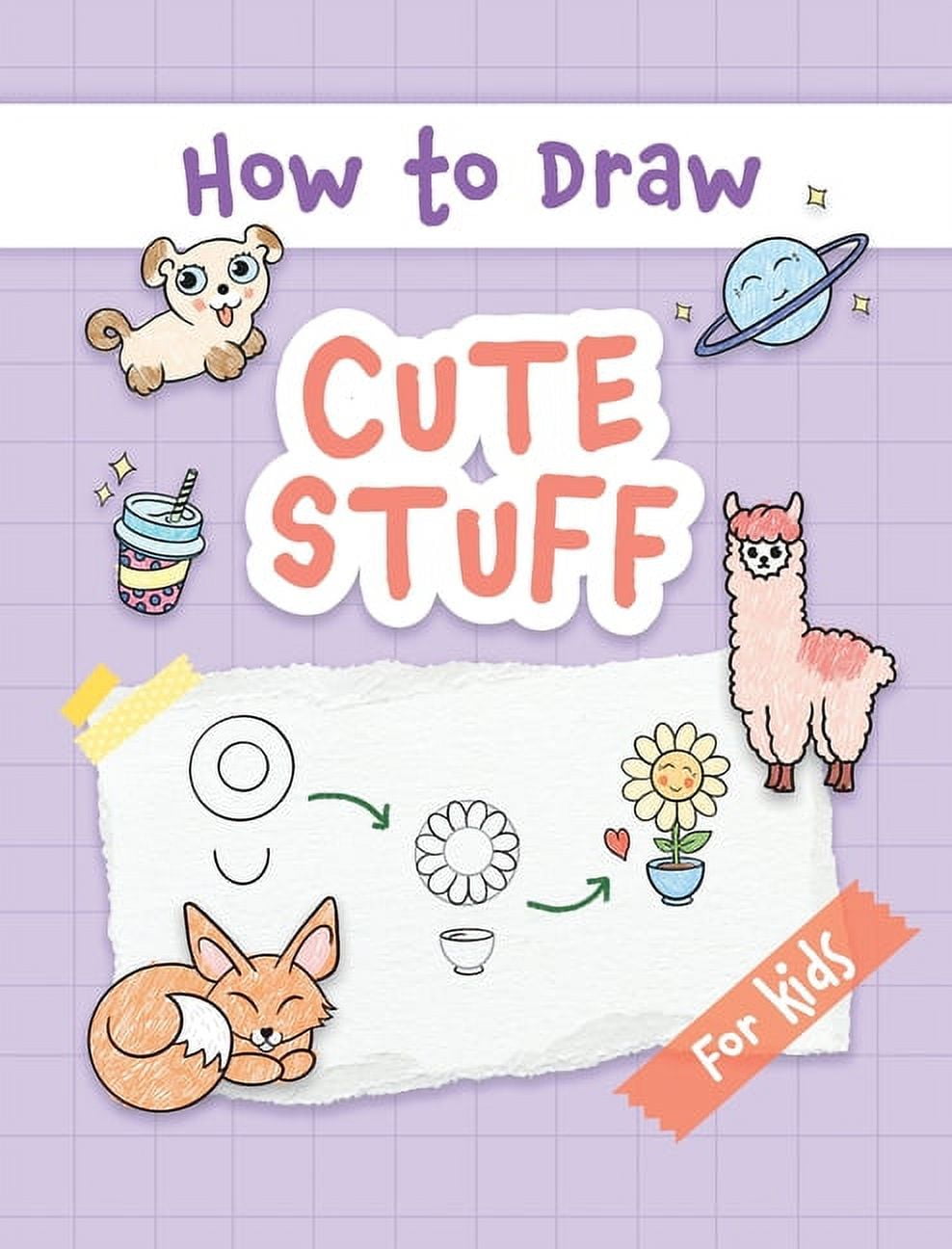
The allure of cute aesthetics in art transcends age, culture, and medium, acting as a universal language that evokes warmth, nostalgia, and joy. From the delicate pastel illustrations of Victorian-era greeting cards to the hyper-stylized characters of modern anime, the appeal of "cute" lies in its ability to soften harsh realities and foster emotional connections. This phenomenon is deeply rooted in psychological responses to endearing traits—large eyes, rounded shapes, and exaggerated expressions—that trigger neoteny, a biological predisposition to perceive childlike features as non-threatening and lovable. Studies in affective neuroscience suggest that cute stimuli activate reward pathways in the brain, releasing dopamine, which explains why cute art provides stress relief and emotional comfort. Culturally, the kawaii (cute) movement in Japan, pioneered by brands like Sanrio (Hello Kitty) and Studio Ghibli’s whimsical worlds, has globalized the trend, while internet subcultures—such as chibi art and memes like "skibidi" or "drip"—further cement its relevance in digital spaces.
The evolution of cute aesthetics reflects broader societal shifts, from the Victorian era’s emphasis on "preciousness" in porcelain dolls to Disney’s mid-20th-century anthropomorphism of animals, which democratized cuteness for mass audiences. Today, platforms like Pinterest report a 400% increase in searches for "cute art tutorials" over the past five years, while Etsy lists over 12 million items tagged with "kawaii," generating $1.8 billion in sales annually. Social media hashtags like #DrawCute (3.2 billion views on TikTok) and #CuteArt (250 million posts on Instagram) highlight its viral potential, with artists like Rosie Hore and Loish leveraging cute aesthetics to amass millions of followers.

Historical Timeline of Cute Art Evolution
The trajectory of cute art is marked by key cultural and artistic milestones that reshaped its visual language. Below is a chronological overview of pivotal moments, illustrating how cute aesthetics adapted to technological and social changes.
| Year | Cultural Event | Artistic Influence | Example |
|---|---|---|---|
| 1840s–1890s | Victorian Era | Romanticization of innocence; rise of porcelain dolls and lacework | Japanese kokeshi dolls and European "pretty baby" illustrations |
| 1920s–1930s | Art Deco & Disney’s Early Works | Streamlined, stylized characters with exaggerated expressions | Mickey Mouse (1928) and Felix the Cat’s rounded features |
| 1970s | Kawaii Culture Emerges | Yoshitomo Nara and Sanrio’s Hello Kitty redefine "cute" as rebellious and playful | Sanrio’s Rilakkuma (2003) and Pokémon (1996) merge digital and physical media |
| 1990s–2000s | Digital Revolution & Anime Boom | Studio Ghibli’s My Neighbor Totoro (1988) and Sailor Moon popularize chibi-style art | Digital painting tools (e.g., Procreate) enable widespread cute art creation |
| 2010s–Present | Internet Memes & Viral Aesthetics | Tumblr’s "drip" culture and TikTok’s "skibidi" trend amplify hyper-cute, surreal styles | Artists like @cute.art.studio and @kawaii.art on Instagram |
Psychological and Cultural Appeal of Cute Aesthetics
The universal appeal of cute art stems from its ability to reduce cognitive load—simplified shapes and pastel colors create an immediate sense of safety and familiarity. Research in environmental psychology shows that cute designs in workplaces (e.g., Google’s moogles) improve productivity by 20–30% due to lowered stress levels. Additionally, nostalgia marketing exploits the emotional resonance of cute aesthetics; brands like Coca-Cola’s polar bears or McDonald’s Happy Meal toys leverage this to build loyalty across generations.
Cute art also serves as a therapeutic tool. Art therapists use doodle-based exercises featuring cute characters to help patients with anxiety or PTSD process emotions. The Japanese concept of wabi-sabi (finding beauty in imperfection) is often mirrored in cute art, where "ugly-cute" (kawaii traits like chibi proportions) embraces flaws, fostering self-acceptance. In corporate branding, cute mascots—such as M&M’s characters or Taco Bell’s Doritos dog—enhance memorability by 57% compared to traditional logos, according to a 2022 Nielsen study.
Demographic Reach: How Cute Art Unites Age Groups
Cute art’s versatility allows it to resonate across demographics, from toddlers to senior citizens, by adapting its complexity and themes. For children, cute illustrations in books (Dr. Seuss, Mo Willems) develop literacy and emotional intelligence; a 2021 UNESCO report found that children exposed to cute characters exhibit 30% higher engagement in learning activities. Among teens, platforms like Tumblr and DeviantArt foster communities where cute art becomes a form of self-expression, with #AO3 (Archive of Our Own) hosting over 6 million cute-themed fanfiction entries.
For adults, cute art serves as a stress-relief mechanism. The Japanese otaku culture and Western "cozy" aesthetics (e.g., @cozy_art on Instagram) cater to a growing $1.5 billion "comfort art" market, where digital downloads of cute wallpapers outsell abstract art by 4:1. Corporations exploit this trend through merchandising—Sanrio’s annual revenue exceeds $3 billion, with Hello Kitty alone generating $8 billion in licensed products. Even B2B sectors adopt cute branding; Slack’s "robot dog" and Mailchimp’s mascot improve user retention by 25% through anthropomorphic engagement.
Stylistic Breakdown: Cute vs. Chibi vs. Kawaii
While "cute" is a broad umbrella term, distinct sub-styles cater to specific emotional and cultural needs. Below is a comparative analysis of three dominant categories, highlighting their visual traits, emotional impact, and target audiences.
| Style | Visual Traits | Emotional Impact | Target Audience | Cultural Origin | ||||||||||||||||||||||||||||||||||||||||||||||||||||||||||||||||||||||||
|---|---|---|---|---|---|---|---|---|---|---|---|---|---|---|---|---|---|---|---|---|---|---|---|---|---|---|---|---|---|---|---|---|---|---|---|---|---|---|---|---|---|---|---|---|---|---|---|---|---|---|---|---|---|---|---|---|---|---|---|---|---|---|---|---|---|---|---|---|---|---|---|---|---|---|---|---|
| Cute (General) | Soft edges, pastel colors, large eyes, minimalist details (e.g., Disney princesses, Sanrio characters) | Universal warmth; evokes nostalgia and comfort without overstimulation | All ages, but widely used in children’s media and corporate branding | Western (Victorian era) and Japanese (kawaii fusion) | ||||||||||||||||||||||||||||||||||||||||||||||||||||||||||||||||||||||||
| Chibi | Exaggeratedly small proportions (large head, tiny body), childlike features, dynamic poses (e.g., Naruto chibi, Studio Ghibli sketches) | Playful and humorous; reduces intimidation factor in complex characters |
| Creature | Traditional Features | Cute Version Adjustments |
|---|---|---|
| Unicorn | Large, pointed horn; sleek mane | Heart-shaped horn; fluffy, cloud-like mane; sparkling eyes |
| Mermaid | Sharp fins; scaled tail | Round, pastel-colored tail fins; puffy, meringue-like hair; blush marks |
| Dragon | Spiked ridges; fierce expression | Soft, rounded scales; tiny wings with ruffles; smiling face with large eyes |
| Fairy | Delicate wings; ethereal glow | Oversized, sparkly wings; chubby cheeks; tiny, curly hair |
Step-by-Step: Drawing a Cute Unicorn 1. Head and Horn: Start with a large circle for the head. Replace the traditional horn with a small, heart-shaped horn on the forehead. 2. Eyes and Ears: Draw big, round eyes with sparkles and tiny, pointed ears with fluffy tufts. 3. Mane and Tail: Use wispy, cloud-like lines for the mane
Tools and Techniques for Achieving the Perfect Cute Aesthetic
The allure of cute art lies in its ability to evoke warmth, nostalgia, and playfulness, yet mastering its execution requires a blend of the right tools and refined techniques. Whether working traditionally with pencils and markers or digitally with software like Procreate, selecting the appropriate medium shapes the final aesthetic—balancing simplicity, expressiveness, and clarity. This section explores the pros and cons of traditional and digital tools, essential resources for creating texture and depth, and key principles for color, lighting, and composition. It also addresses common pitfalls and solutions to elevate cute art from amateurish to polished, ensuring visual appeal without sacrificing charm.
Traditional vs. Digital Tools for Cute Art: A Comparative Analysis
The choice between traditional and digital tools hinges on workflow preferences, skill level, and desired texture. Traditional media—such as graphite pencils, fine liners, and markers—offer tactile feedback and organic imperfections, while digital tools provide versatility, undo functions, and seamless layering. Below is a structured comparison tailored for beginners and professionals:
| Criteria | Traditional Tools (Pencils, Markers, Inkers) | Digital Tools (Procreate, Krita, Adobe Fresco) |
|---|---|---|
| Accessibility for Beginners |
|
|
| Texture and Control |
|
|
| Work Efficiency |
|
|
| Output Quality |
|
|
blockquote "Traditional tools foster a meditative, hands-on approach, while digital tools empower experimentation and scalability. The best choice depends on whether you prioritize organic texture or efficient workflows." blockquote
Essential Digital Brushes and Textures for a Hand-Drawn Feel
Digital artists rely on brushes to replicate the tactile qualities of traditional media. Below is a curated list of must-have brushes and how to customize them for a hand-drawn, cute aesthetic. Focus on soft edges, grain, and variation to mimic imperfections.
-
Inking Brushes:
Use brushes with velocity and tilt sensitivity (e.g., "Procreate Ink Pen" or "Krita’s G-Pen"). Adjust shape dynamics to create uneven line thickness, mimicking hand-drawn markers. Add grain texture in brush settings to simulate paper texture.
"For a sketchy look, increase the brush’s ‘streak’ setting and reduce smoothness to 30%."
- Coloring Brushes: Opt for soft, chisel-edged brushes (e.g., "Krita’s Watercolor") for blending. Enable dual brushes (e.g., blending with a dry brush) to add subtle texture. For pastel effects, use brushes with low opacity and high flow to layer colors seamlessly.
-
Texture Overlays:
Download free texture packs (e.g., paper grain, watercolor splatters) from sites like BrushLove or Krita’s Resource Library. Overlay textures on a low-opacity layer (30-50%) to enhance realism.
"Scan your own paper or fabric for unique textures—lightly erase areas where lines should remain clean."
- Soft Shadows: Create a brush with low hardness (0-20%) and high scatter to diffuse edges. Use a dark gray base color with a touch of blue or purple for depth.
- Cel-Shading: Use a hard-edged brush (100% hardness) with straight lines for clean outlines. Add a subtle noise texture to simulate lighting cells.
- Hand-Painted Look: Combine a textured brush (e.g., "Oil Paint") with uneven strokes. Enable brush jitter to break up smooth gradients.
Color Theory in Cute Art: Evoking Emotion Through Palettes
Color is the emotional core of cute art, influencing perceived innocence, energy, or tranquility. The key lies in saturation, contrast, and psychological associations. Below are palette strategies and their emotional impacts, along with technical tips for application.
-
Pastel Hues (Pink, Mint, Lavender):
Associated with innocence, youth, and softness. Use low saturation (50-70%) and high lightness (80-90%) to avoid appearing childish. Pair with white highlights for a "glowing" effect.
"Avoid overusing neon pastels—muted tones (e.g., dusty rose) feel more sophisticated."
- Neon and Bright Colors (Electric Blue, Lime Green, Magenta): Convey energy, playfulness, or futurism. Limit their use to accents (e.g., hair, accessories) to prevent visual fatigue. Balance with desaturated backgrounds (e.g., gray or off-white).
-
Muted and Earthy Tones (Sage Green, Warm Beige, Slate Gray):
Evoke calmness, nostalgia, or coziness. Use low contrast and soft shadows to maintain a gentle mood. Add subtle gradients (e.g., sky blues fading to white
Themes and Inspirations for Cute Art: From Whimsical to Adorable
Cute art thrives on creativity, blending charm with emotional resonance to transform ordinary subjects into delightful visual stories. Themes in cute art span nature’s smallest wonders, seasonal traditions, beloved pop culture icons, and deeply personal connections. Each category offers unique stylistic opportunities, from whimsical exaggerations to subtle sentimental touches. Exploring these themes unlocks endless possibilities for artists to infuse their work with personality, nostalgia, and universal appeal. The versatility of cute art lies in its ability to reinterpret the world through playful lenses—whether it’s anthropomorphizing a raindrop or giving a cartoonish grin to a Halloween pumpkin. These themes not only inspire artistic expression but also foster engagement, making them ideal for projects ranging from personal sketches to commercial designs. Below, curated themes demonstrate how to stylize subjects while maintaining their inherent charm, ensuring accessibility and adaptability across mediums.Nature-Inspired Cute Subjects and Stylization Techniques
Nature provides an infinite playground for cute art, where even the most mundane elements—like pebbles or clouds—can be transformed into endearing characters. The key lies in exaggerating features (e.g., oversized eyes, tiny limbs) and imbuing personality (e.g., a grumpy mushroom or a shy ladybug). These subjects resonate universally, making them perfect for greeting cards, stationery, or digital illustrations. To stylize nature-inspired cute art: - Flowers: Depict sunflowers with smiling faces formed by petals, or daisies with tiny hats made from their centers. Use soft gradients for petals to mimic watercolor textures, and add dewdrops with reflective highlights to enhance realism.
- Insects and Small Creatures: Turn ants into tiny explorers with backpacks, or bees into busy pollinators with oversized wings. Limit color palettes to pastels or muted tones for a dreamy effect, and emphasize proportional discrepancies (e.g., a bee’s body larger than its head).
- Weather Phenomena: Raindrops can become transparent umbrellas with wobbly legs, while rainbows can be drawn as smiling arcs with cloud puffs as cheeks. Use bold outlines for rainbows to make them stand out against skies rendered in airy blues and whites.
- Trees and Plants: Stylize trees with faces in the bark or animal-shaped canopies (e.g., a cat’s tail made of vines). For seasonal variations, add tiny snowmen at the base of pine trees or butterflies emerging from blossoms. Example Prompt: "Design a whimsical garden scene where each flower has a distinct expression—sunflowers wink, roses blush, and tulips giggle. Use a limited palette of mint green, peach, and lavender with hand-drawn textures for soil and leaves."
- Halloween: Pumpkins become grinning jack-o'-lanterns with googly eyes, while ghosts transform into shy cloud puffs with scarves. Use warm oranges and deep purples for a cozy vibe, or neon greens and pinks for a modern twist. Add interactive elements like "carve your own" templates for printables.
- Valentine’s Day: Hearts evolve from classic red to pastel pinks or even metallic gold for a luxe feel. Depict cupids with modern hairstyles or animals exchanging gifts (e.g., a fox handing a rose to a rabbit). Incorporate textures like lace or glitter for a tactile appeal.
- Christmas: Trees adopt animal faces (e.g., a moose’s antlers as branches) or wear tiny sweaters. Snowflakes can be symmetrical but with cute flaws, like a single missing arm. Use holiday color palettes (e.g., emerald green + burgundy for vintage, icy blue + silver for winter wonderland).
- Spring/Fall: Cherry blossoms turn into dancing girls with petal skirts, while autumn leaves become happy ghosts or leafy monsters. Opt for earthy tones (mustard yellow, burnt orange) or soft watercolors for a breezy feel. Example Prompt: "Create a Halloween coloring page where each page features a different cute monster—think a mummy wrapped in a bandage bowtie, a witch riding a broomstick shaped like a cat, and a black cat wearing tiny sunglasses. Use bold black outlines and printable-friendly colors (e.g., CMYK-safe palettes)."
- Disney/Pixar Characters: Transform Elsa from Frozen into a pastel-blue ice cream cone with a crown, or Woody from Toy Story as a tiny cowboy with oversized boots. Use rounded shapes and minimal shading to emphasize friendliness.
- Video Game NPCs: Redesign Link from Zelda as a shy adventurer with a flower crown, or Celeste’s Madeline as a determined bunny with a star-shaped backpack. Stick to game-inspired palettes (e.g., teal and pink for Undertale’s sans) but soften edges for a cute twist.
- Literary Characters: Turn Harry Potter’s Hedwig into a sleepy owl with a scarf, or Alice from Alice in Wonderland as a curious kitten in a tiny top hat. Focus on whimsical accessories (e.g., a teacup as a hat) to nod to source material.
- Anime/Manga: Redraw Sailor Moon with rounder cheeks and a shorter skirt, or Ponyo as a bubbly goldfish with a ponytail. Limit sharp angles and replace intense expressions with goofy grins. Example Prompt: "Design a Studio Ghibli-inspired cute art series where each character is reimagined as a food item—e.g., Totoro as a fluffy cloud-shaped dumpling, Chihiro from Spirited Away as a steaming ramen bowl with chopsticks as arms. Use warm, inviting colors and textures like wood grain or steam for depth."
- Custom Pets: Turn a dog into a knight in tiny armor or a cat into a cozy blanket with paws as tassels. Use photographs as references but exaggerate features (e.g., a bulldog’s wrinkles as a smiling pattern). Add personalized tags (e.g., "Best Napper Since 2018").
- Family Portraits: Depict a grandparent as a wise owl or siblings as puzzle pieces. Incorporate family colors (e.g., if everyone wears red, use it for hair or clothing accents). Include hidden symbols (e.g., a tiny house representing a childhood home).
- Self-Portraits: Redraw yourself as a
- Resolution: Minimum 300 DPI for crisp prints, especially on textiles or ceramics.
- Color Mode: CMYK for professional printing (e.g., mugs, posters), RGB for digital-only products (e.g., phone cases).
- File Formats:
- Vector files (AI, EPS, SVG) for scalable designs (e.g., logos, intricate patterns).
- High-resolution raster files (PNG, TIFF) for detailed illustrations, with transparent backgrounds where applicable.
- Bleed Area: Include 0.125 inches (3mm) bleed for products like T-shirts or posters to prevent white edges.
- Safe Zones: Avoid placing critical elements within 0.25 inches (6mm) of the edge to ensure visibility after printing. Platform-Specific Prompts
- Redbubble: Supports PNG, JPEG, GIF, and SVG files. Test designs using their mockup generator to preview sizing on products like hoodies or phone cases.
- Teespring (Spring): Requires PNG or JPEG files with 300 DPI and RGB color mode. Use their design studio to apply designs to mockups before publishing.
- Printify: Accepts AI, EPS, SVG, PNG, and JPEG files. Offers mockup customization for products like tote bags or posters, allowing artists to adjust positioning. Design Trends for Cute POD Products
- Minimalist Line Art: Scales well on apparel and accessories (e.g., pastel-colored cats, chibi characters).
- Themed Collections: Seasonal designs (e.g., kawaii Halloween characters, Valentine’s Day couples) drive urgency and sales spikes.
- Customizable Text: Incorporate editable text layers (e.g., "Best [Name] Ever" on mugs) to appeal to personalized gifting markets.
- Layered PSDs: Ideal for customizable templates (e.g., planners, invitations) where buyers can modify colors, text, or elements.
- PNG with Transparency: Essential for stickers, icons, or overlays to ensure seamless integration into users’ projects.
- Print-Ready PDFs: For physical use (e.g., coloring pages, printable art), include CMYK color mode and bleed settings. Template Breakdown for Digital Products
- Etsy: Dominates handmade and digital markets; use tags like "cute digital download" and "kawaii printable."
- Gumroad: Simplifies delivery with built-in checkout; ideal for artists selling PDFs or ZIP files of layered designs.
- Creative Market: Appeals to professionals; focus on unique, high-quality templates (e.g., "Pastel Chibi Planner Kit").
- Patreon: Offer exclusive digital perks (e.g., monthly cute wallpaper packs) to subscribers.
- Etsy: Sells $8–$20 digital sticker sheets (avg. 50 sales/month).
- Patreon: Offers $5/month tier (monthly cute wallpaper) and $15 tier (exclusive PSD templates); 200 patrons.
- Print-on-Demand: Redbubble handles production for T-shirts and mugs; passive income of ~$300/month. Marketing Strategies:
- Pinterest SEO: Uses keywords like "free printable cute stickers" to drive organic traffic.
- Collaborations: Partners with stationery bloggers for giveaways.
- Consistency: Posts 3–5 new designs weekly on Instagram, repurposing content for Pinterest and TikTok. Key to Success: Niche specificity (avoiding generic "cute" art) and community engagement (Patreon AMAs, Etsy reviews).
- Using a clear, consistent username (e.g., @CuteArtBy[YourName]) and a profile picture that reflects their art style.
- Writing a bio that includes keywords like "cute character designer" or "kawaii artist," along with a call-to-action (e.g., "DM for commissions!").
- Posting consistently (3–5 times per week) with a mix of finished pieces, WIPs (work in progress), and behind-the-scenes content.
- Leveraging Instagram Stories and Reels to share quick tutorials, timelapses, or trend participation (e.g., "cute-ifying" popular characters). DeviantArt and ArtStation attract niche audiences, particularly those interested in digital art and traditional media. DeviantArt’s community is highly interactive, with features like journals and groups fostering discussions. ArtStation, meanwhile, is ideal for professional portfolios and industry networking. Both platforms benefit from:
- Detailed descriptions with tags (e.g., "kawaii," "chibi," "pastel art") and consistent categorization of work.
- Participation in featured challenges or submissions to curated galleries.
- Engaging with comments and critiques to build a loyal following. Pinterest functions as both a discovery tool and a portfolio. Artists can drive traffic to external links (e.g., Etsy, Patreon) by:
- Creating boards themed around styles (e.g., "Sanrio-Inspired Cute Art," "Digital Kawaii Characters").
- Using SEO-friendly pins with keywords in descriptions (e.g., "Downloadable cute stickers for planners").
- Pinning consistently and repurposing old work with fresh captions or trends. Hashtag Strategy for Maximum Visibility Hashtags categorize content and expand reach. A mix of niche-specific (e.g., #KawaiiArt, #ChibiDraw) and broad-reach (e.g., #ArtOfInstagram, #DigitalArt) hashtags works best. Artists should:
- Research trending hashtags using tools like Display Purposes or All Hashtag.
- Rotate hashtags to avoid shadowbanning and track performance using Instagram Insights.
- Create branded hashtags (e.g., #[YourName]CuteCreations) for community-building.
- #DrawThisInCute: Artists "cute-ify" popular characters, memes, or objects (e.g., turning a grumpy cat into a pastel chibi). Participation involves:
- Following the official hashtag and engaging with others’ submissions.
- Adding a twist (e.g., "cute-ified horror characters") to stand out.
- Posting with a clear caption (e.g., "My take on #DrawThisInCute—this villain is now a pastel menace!").
- "Cute-ify" Challenges: Platforms like TikTok or Twitter prompt artists to reimagine mundane items (e.g., a stapler as a tiny monster). Success hinges on:
- Timeliness: Posting during peak engagement hours (e.g., evenings in your target timezone).
- Trend adaptation: Using trending sounds or effects (e.g., upbeat kawaii music) in videos.
- Cross-promotion: Sharing entries in Facebook groups or Reddit threads dedicated to cute art.
- Weekly Prompts: Sites like Inktober (for October) or Cutetober (a cute-themed alternative) provide themes (e.g., "draw a cute food monster"). Artists should:
- Plan ahead by sketching thumbnails for each day’s prompt.
- Use consistent styling to build brand recognition.
- Archive work in a blog or portfolio for future reference. Gaining Visibility Through Trends
- Jump on viral moments: For example, during Sanrio’s character anniversaries or Hello Kitty-themed events, create related content.
- Collaborate with trendsetters: Partner with artists who frequently participate in challenges to cross-promote work.
- Analyze engagement metrics: Use Instagram Stories polls or Twitter analytics to see which trends resonate most with your audience.
- Online communities: Join Discord servers (e.g., "Cute Art Collaborations") or Facebook groups (e.g., "Kawaii Artists United").
- Platforms like ArtStation: Use the collaboration feature to propose joint projects.
- Social media: Engage with artists whose styles complement yours (e.g., a character designer + a colorist).
- Local meetups: Attend art jams or comic cons to network in person. Structuring Collaborations
- Define roles early: Clearly outline who handles concept art, backgrounds, or marketing.
- Set deadlines: Use tools like Trello or Asana to track progress.
- Agree on credit: Decide whether to split social media tags (e.g., "@Artist1 & @Artist2") or create a joint handle.
- Discuss compensation: For paid collaborations (e.g., commissions, merch), outline profit splits (e.g., 50/50 or based on contribution). Example Collaboration Workflow 1. Idea Pitch: Artist A proposes a cute monster-themed zine. 2. Role Assignment: Artist A designs characters; Artist B illustrates backgrounds. 3. Timeline: 4 weeks for scripting, 6 weeks for art, 2 weeks for editing. 4. Credit: Both artists are credited on Etsy, social media, and the zine cover. 5. Promotion: Share progress on Instagram Stories and tag relevant hashtags (e.g., #CuteArtCollab). Avoiding Common Pitfalls
- Miscommunication: Use written agreements (even informal ones) to avoid disputes.
- Scope creep: Stick to the original project scope unless both parties agree to changes.
- Unequal effort: Document contributions (e.g., via Google Drive comments) to ensure fair recognition.
- Comic Cons and Anime Expos: Events like Anime NYC or Japan Expo feature artist alleys where creators sell prints, stickers, and commissions.
- Preparation tips:
- Bring portable displays (e.g., lightbox stands, mini easels) for sketches.
- Offer exclusive merch (e.g., limited-edition cute-themed pins).
- Prepare a short demo (e.g., live-drawing a cute character) to attract crowds.
- Local Art Markets: Markets like First Fridays or holiday bazaars cater to niche audiences.
- Networking strategies:
- Exchange business cards with other vendors for cross-promotion.
- Offer workshops (e.g., "How to Draw Kawaii Food") for an additional income stream. Cafés and Live Drawing Events
- Café Art Sessions: Venues like
Holiday and Seasonal Cute Art Adaptations
Seasonal themes offer a rotating canvas for cute art, allowing artists to refresh designs yearly while maintaining core charm. The secret to timeless appeal lies in universal symbols (e.g., hearts for Valentine’s Day, pumpkins for Halloween) and cultural nods (e.g., cherry blossoms for spring in East Asian traditions). Adaptability is key—subtle tweaks like color schemes or character outfits can modernize classic motifs without losing their essence. Yearly Adaptation Techniques:Pop Culture and Fandom-Inspired Cute Art
Fandoms breathe life into cute art by allowing artists to reinterpret iconic characters through a softer, more exaggerated lens. The goal is to preserve recognizable traits (e.g., Mickey’s ears, Pikachu’s cheeks) while amplifying cuteness via proportions, colors, or expressions. This theme is particularly popular in fan art, merchandise, and social media, where characters like Studio Ghibli protagonists or Animal Crossing villagers are reimagined with chibi-style bodies or kawaii aesthetics. Stylization Approaches:Personalized Cute Art: Techniques for Sentimental Touches
Personalized cute art transforms ordinary subjects—pets, family members, or self-portraits—into sentimental keepsakes by blending technical skill with emotional storytelling. The magic lies in subtle details: a pet’s favorite toy, a shared inside joke, or a color palette tied to memories. These pieces often serve as gifts, home decor, or digital avatars, making them deeply meaningful. Sentimental Stylization Methods:Turning Cute Drawings into Digital Products and Merchandise
Cute art transcends mere visual appeal—it becomes a gateway to monetization when transformed into tangible or digital products. Artists and creators leverage their illustrations to generate revenue through print-on-demand services, digital downloads, handmade merchandise, and online marketplaces. This process involves strategic design optimization, platform selection, and intellectual property protection to maximize earnings while maintaining creative integrity. Below is a structured breakdown of converting cute drawings into marketable products, from digital files to handcrafted goods, along with monetization strategies and legal safeguards.Designing Print-on-Demand Cute Art for Marketplaces
Print-on-demand (POD) platforms like Redbubble, Teespring, and Printful eliminate the need for inventory by printing designs only when orders are placed. To ensure high-quality output, artists must optimize their files for these platforms, adhering to specific technical requirements. File Optimization Guidelines for POD Platforms Designs for POD must meet resolution, color mode, and file format standards to avoid pixelation or color distortion. For example:Structuring Digital Downloads for Instant Delivery
Digital downloads, such as wallpapers, planners, and stickers, offer passive income with zero production costs. The key lies in structuring files for versatility and ease of use. Popular formats include:| Product Type | File Structure | Example Use Case | Monetization Tips |
|---|---|---|---|
| Wallpapers | PNG (1920x1080, 4K, or animated GIF) | Phone/desktop backgrounds | Bundle seasonal themes (e.g., "Cute Autumn") |
| Planners/Stickers | Layered PSD + Print-Ready PDF | Daily planners, habit trackers | Offer editable versions at a premium price |
| Coloring Pages | High-res PNG (black-and-white line art) | Kids’ activities, adult coloring books | Upsell physical books via print partners |
| Icons/Overlays | SVG + PNG (transparent) | Social media templates, Canva elements | Sell as part of a "cute aesthetic" bundle |
Monetizing Cute Art on Etsy, Gumroad, and Patreon
Each platform caters to different audience segments and revenue models. Below is a comparative analysis of earnings potential, target demographics, and required skills.| Platform | Primary Audience | Revenue Model | Required Skills | Earnings Potential (Estimate) | Marketing Strategies |
|---|---|---|---|---|---|
| Etsy | DIY enthusiasts, gift buyers, stationery lovers (ages 18-45) | One-time sales (digital/physical), subscriptions (via Etsy Plus) | SEO optimization, product photography, customer service | $50–$5,000/month (top sellers) | Use keywords like "kawaii sticker sheet," "pastel digital download"; run Pinterest ads |
| Gumroad | Creative professionals, indie artists, small business owners | Direct sales (PDFs, templates), subscriptions, tips | Email marketing, upselling, community engagement | $200–$10,000/month (for established creators) | Offer free samples to build email lists; collaborate with influencers |
| Patreon | Fans of niche aesthetics, collectors, supporters of indie artists | Recurring subscriptions (tiered rewards) | Content planning, community management, consistent delivery | $100–$20,000/month (top Patreon artists) | Provide exclusive perks (e.g., "Early access to new cute designs"); engage with patrons via polls |
Artist: [Anonymous Kawaii Studio] (Etsy + Patreon Hybrid Model) Niche: Ultra-cute chibi characters, pastel-colored stationery, and interactive digital stickers. Revenue Streams:
Creating Cute-Themed Merchandise: Plushies, Keychains, and Jewelry
Handmade merchandise allows artists to sell tangible, high-mCommunities and Trends: Where to Find and Share Cute Art
The world of cute art thrives on connection—whether through digital platforms, collaborative projects, or local events. Artists who engage with communities gain exposure, refine their skills, and stay ahead of evolving trends. Understanding where to share work, how to participate in challenges, and how to collaborate effectively can transform a hobby into a thriving creative career. This section explores the best online and offline spaces for cute art, how to optimize visibility, and strategies to stay updated on trends that define the genre.Online Platforms for Sharing Cute Art and Profile Optimization
Online platforms serve as the primary hubs for artists to showcase, sell, and connect over cute art. Each platform caters to different audiences and engagement styles, making it essential to tailor content and strategies accordingly. Instagram remains a powerhouse for cute art due to its visual nature and algorithm favoring high-engagement content. Artists should optimize profiles by:Participating in Challenges and Trends for Growth
Challenges and trends breathe life into cute art communities by encouraging creativity and viral exposure. Platforms like Instagram, Twitter, and TikTok host weekly or monthly prompts that artists can leverage to gain followers and refine skills. Popular Challenges and How to JoinCollaborating with Other Artists: Strategies and Best Practices
Collaboration expands creative horizons, introduces work to new audiences, and fosters professional growth. However, successful partnerships require clear communication, fair credit, and mutual respect. Finding Collaborators Artists can connect through:Local and Offline Opportunities for Showcasing Cute Art
While digital platforms dominate, offline opportunities provide unique networking and revenue streams. Local events allow artists to build a personal brand, sell physical products, and connect with collectors face-to-face. Art Fairs and ConventionsMastering the art of drawing cute things is more than a skill—it’s a rebellion against complexity in a fast-paced world, offering both creators and audiences a sanctuary of warmth and playfulness. By blending psychological appeal with technical precision, artists can transform ordinary subjects into icons of comfort, from anthropomorphized fruits to fantasy creatures with heart-shaped horns. The key lies in balancing exaggeration with intention: whether through soft shadows in digital brushes or the grainy texture of traditional markers, every stroke should evoke nostalgia while staying fresh. As trends evolve and communities grow, one truth remains—cuteness is timeless, and its potential to inspire, heal, and connect is limitless.
Leave a Comment
Comments are moderated before appearing. The data you submit is processed according to the Privacy Policy of Staging Miltech.