|
Goguryeo Warriors (고구려 용사)
Elite soldiers from the Goguryeo Kingdom (37 BCE–668 CE), known for their lamellar armor and horseback archery, often associated with bravery and tactical prowess.
|
SEVENTEEN – "Super" (2018)
Members in reflective, segmented armor with asymmetrical hemlines, evoking both historical warriors and futuristic soldiers.
|
Embodies discipline, unity, and unyielding strength. The asymmetrical design reflects modern individuality, while the armor’s rigidity symbolizes unbreak
Step-by-Step Guide to Creating a K-Pop Demon Hunters Costume
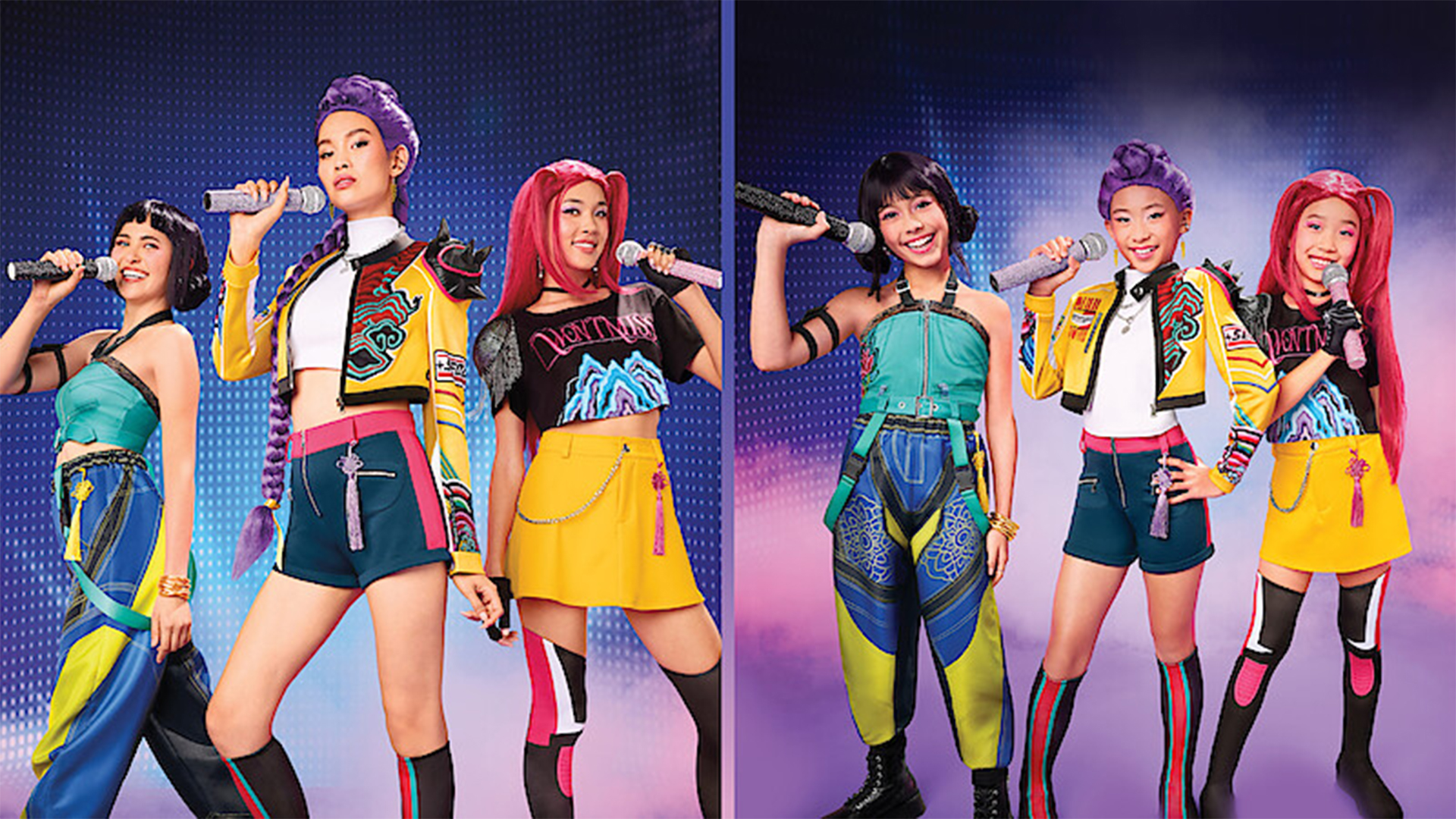
The fusion of mythology-inspired demon-hunting aesthetics with modern K-Pop visuals has sparked a wave of creativity among fans and cosplayers. Crafting an authentic K-Pop demon hunter costume—whether inspired by EXO’s dark fantasy themes, BTS’s gothic exorcist concepts, or NCT’s dynamic "Kick It" era—requires a blend of traditional craftsmanship and futuristic touches. Below is a detailed breakdown of the materials, tools, and techniques needed to assemble a costume that captures the essence of these high-energy performances, from base garments to glowing accessories.
Selecting the right materials is critical to achieving the signature look of a K-Pop demon hunter costume. The choice of fabric, texture, and accessories directly influences the costume’s visual impact and durability. For the base garment—typically a tunic, robe, or layered outfit—black, deep red, or dark gray fabrics dominate, often paired with metallic accents (silver, gold, or copper) to evoke a mystical or battle-ready vibe. Popular fabric options include:
Heavyweight poly-cotton blends (for tunics and outer layers, offering structure and ease of movement).
Velvet or brocade (for premium textures, ideal for collars, cuffs, or trim).
Leather or faux leather (for armored accents, belts, or shoulder pads).
Mesh or tulle (for layered overlays, creating a supernatural or ghostly effect).
Accessories such as masks, gloves, and footwear should prioritize lightweight yet sturdy materials to ensure comfort during performances. Gloves may incorporate latex or synthetic leather, while masks often use EVA foam, thermoplastics, or 3D-printed resin for intricate designs. LED lighting elements require waterproof, flexible LED strips (for safety and durability) and battery packs for power.
For DIY alternatives, consider upcycling materials like old curtains (for dramatic draping), thrifted cloaks (for base layers), or craft foam (for lightweight armor pieces). Tools essential for assembly include sewing machines, heat guns (for shaping foam), fabric glue, and safety pins. Online marketplaces like Etsy, Amazon, or AliExpress offer affordable pre-made components, while specialty stores such as Party City, Spirit Halloween, or local costume shops provide ready-made pieces for quick assembly.
Step-by-Step Assembly Process
Constructing a K-Pop demon hunter costume begins with the base garment, which serves as the foundation for all other elements. Below is a structured approach to assembling each component:
1. Base Garment Construction
Pattern Design: Draft a pattern based on the desired silhouette (e.g., a high-collared tunic for EXO’s "Tempo" concept or a sleeveless robe for BTS’s "Dope" era). Use muslin fabric for test fittings to adjust proportions.
Fabric Selection and Cutting: Layer fabrics for depth—combine a black satin lining with a velvet overlay for a luxurious finish. Cut pieces using sharp fabric scissors or a rotary cutter for precision.
Sewing and Assembly: Hand-stitch or machine-sew seams, reinforcing stress points (shoulders, waist) with bias tape or interfacing. For a more rugged look, leave some seams raw or add studded leather accents along the hem.
2. Armor and Protective Layers
Shoulder Pads: Create padded shoulder caps using foam or batting encased in fabric. Attach with D-rings and straps for adjustability, mimicking the armored look seen in NCT’s "Kick It" era.
Belt and Utility Straps: Use a wide leather belt with buckles or braided cords for a functional yet stylish touch. Add pouches or holsters (fabric or faux leather) to carry "demon-hunting tools" (e.g., prop weapons or LED flashlights).
Greaves and Gauntlets: For lower-leg and forearm armor, mold EVA foam into segmented pieces and paint them matte black or metallic silver. Secure with elastic straps or Velcro.
3. Mask and Headgear
Mask Design: Sketch a mask inspired by the target K-Pop group’s demon hunter concept. For example, BTS’s "Dope" mask features sharp, angular lines, while EXO’s "Tempo" mask incorporates flowing, cape-like extensions.
Materials: Use EVA foam sheets (cut and heat-molded) or thermoplastic resin (for a glossy finish). Drill holes for ventilation and attach a headband or elastic strap for wearability.
Painting and Detailing: Apply acrylic paint for base colors, followed by metallic sprays or glow paint for highlights. Seal with matte or gloss varnish for durability.
4. Gloves and Footwear
Gloves: Opt for fingerless gloves with leather or mesh panels for a balance of grip and aesthetic. Add LED finger lights (battery-powered) for a futuristic touch, as seen in TWICE’s "Fancy" era.
Footwear: Choose black combat boots (for a rugged look) or platform sneakers (for a modern twist). Customize with glow-in-the-dark paint or LED sole inserts for stage visibility.
5. LED and Lighting Integration
Placement: Strategically place flexible LED strips along the hem of the tunic, mask edges, or weapon props. Use diffuser sleeves to soften the light for a mystical effect.
Power Source: Embed a rechargeable battery pack (e.g., 18650 lithium) into a belt pouch or sleeve. For wireless options, use Bluetooth-controlled LED modules.
Safety: Ensure all wiring is waterproof and secured with fabric glue or heat-shrink tubing to prevent snags during movement.
Affordable vs. Premium Costume Components
The cost of materials varies widely based on quality and customization. Below is a comparative table for key components, including sourcing recommendations:
| Component | Affordable Option | Premium Option | Sourcing Tips |
|---|
| Base Tunic/Robe | Thrifted velvet or poly-cotton, $10–$30 | Custom-tailored brocade, $80–$150 | Etsy (for vintage finds), local tailors | | Mask | DIY EVA foam mask, $5–$15 | 3D-printed resin mask, $50–$120 | Shapeways, local foam workshops | | Gloves | Latex fingerless gloves, $8–$20 | Custom leather with LED inserts, $40–$80 | Amazon, specialty costume shops | | LED Lighting | Basic LED strips, $5–$15 | High-lumen RGB strips with remote, $30–$60 | AliExpress, Adafruit (for tech DIYers) | | Footwear | Platform sneakers, $20–$40 | Custom combat boots with LED soles, $100+ | ASOS, local shoemakers | | Accessories | Faux leather belt, $10–$25 | Studded metal armor pieces, $30–$70 | Spirit Halloween, Etsy |
Common Mistakes and How to Avoid Them
Designing a K-Pop demon hunter costume requires attention to detail, but beginners often encounter pitfalls that compromise both aesthetics and functionality. Below are frequent errors and solutions:
Overcomplicating the Design: Focus on 2–3 signature elements (e.g., mask + LED lighting + armor) rather than cramming too many details. This ensures the costume remains cohesive and wearable.
Ignoring Comfort: Heavy fabrics or restrictive armor can hinder movement. Use lightweight interfacing and adjustable straps to balance structure and mobility.
Poor Lighting Placement: LED strips should be diffused and strategically placed (e.g., along seams or weapon edges) to avoid harsh glare. Test lighting in low-light conditions before final assembly.
Neglecting Ventilation: Masks and full-body costumes can cause overheating. Incorporate mesh panels or adjustable vents to improve airflow.
Inconsistent Theming: Ensure all elements (colors, textures, accessories) align with the target K-Pop group’s concept. For example, EXO’s "T
Top K-Pop Demon Hunters Costumes: Iconic Looks from Music Videos and Stage Performances
The fusion of demonic mythology and modern K-Pop aesthetics has birthed some of the most visually striking stage presences in the industry. Demon Hunters-inspired costumes transcend mere thematic dressing, evolving into symbolic representations of power, rebellion, and supernatural energy. These outfits often align with album concepts, music video narratives, or stage performances, creating lasting impressions on fans and cementing their place in K-Pop history. From gothic capes to intricate armor-like designs, each group’s interpretation of the Demon Hunters theme reflects their artistic identity while resonating with global audiences. Below are the most iconic examples, analyzed through their design elements, cultural impact, and the context of their release.
Evolution of Demon Hunters Costumes in K-Pop: A Timeline of Visual Storytelling
The integration of Demon Hunters themes in K-Pop began as a niche concept but rapidly expanded into a dominant visual motif, particularly in groups known for dark, edgy, or fantasy-driven concepts. The rise of these costumes correlates with the growing influence of Western dark fantasy media, such as anime, video games, and gothic literature, which K-Pop artists reinterpreted through their unique lenses. Early adopters like EXO and GOT7 laid the groundwork, while later groups like Stray Kids and NCT refined the aesthetic with hyper-detailed craftsmanship and narrative depth.
Demon Hunters costumes often emerge during promotional cycles for tracks with supernatural or battle-oriented themes. For instance, EXO’s "Monster" (2014) marked a turning point, where their black-and-red armor-like outfits symbolized duality—light versus darkness—mirroring the song’s lyrics about confronting inner demons. Similarly, GOT7’s "If You Do" (2016) introduced a gothic, cape-draped look that emphasized the group’s "Warrior" persona, blending medieval and modern streetwear influences. These designs were not just costumes but extensions of the groups’ branding, reinforcing their identities as both musicians and visual storytellers.
Design Analysis: How K-Pop Groups Reinterpret Demon Hunters Themes
Each K-Pop group’s approach to Demon Hunters costumes reveals distinct artistic sensibilities, from EXO’s structured, almost military-inspired armor to Stray Kids’ raw, urban-meets-fantasy hybrid designs. Below are key visual elements that define these looks:
Color Schemes: Dominated by black, crimson, and metallic silver, these hues evoke darkness, danger, and supernatural energy. Groups like NCT often incorporate neon accents (e.g., electric blue or green) to contrast the gothic tones, adding a futuristic twist.
Fabric Textures: Heavy use of leather, chainmail, and brocade creates a tactile, almost tactilely imposing presence. GOT7’s "If You Do" costumes featured flowing, tattered capes that suggested both nobility and decay, while Stray Kids’ "God’s Menu" outfits blended denim and mesh for a gritty, street-smart demon hunter vibe.
Signature Accessories:
Masks and Helmets: Often feature horns, skull motifs, or cracked visors, symbolizing hidden identities or the battle between good and evil. EXO’s "Monster" helmets had glowing red visors, while NCT’s "Kick It" stage outfits included geometric, almost cyberpunk-style masks.
Weapons: Props like swords, daggers, and staffs are frequently integrated into choreography. GOT7’s "Hard Carry" MV showcased dual-wielding swords, while Stray Kids’ "S-Class" stage featured baton-like weapons with LED lights.
Capes and Cloaks: Serve as both functional and symbolic elements, often draped dramatically during key performance moments. BTS’s "No More Dream" (2017) included asymmetrical, tattered capes that emphasized vulnerability beneath the demon hunter facade.
The following table highlights five iconic examples, showcasing the diversity of interpretations within the genre:
| Group/Artist |
Song/Album |
Costume Description |
Key Visual Elements |
| EXO |
"Monster" (2014) - EXODUS |
Armor-like bodysuits in matte black and crimson, designed to resemble medieval demon-slaying warriors. The outfits featured segmented plating on the chest and shoulders, evoking a futuristic take on traditional armor.
|
- Helmets: Red visors with glowing LED accents that pulsed in sync with the music.
- Gloves: Fingerless with metallic cuffs, emphasizing a battle-ready grip.
- Boots: Knee-high with reinforced soles, suggesting readiness for combat.
- Capelets: Short, structured capes attached to the shoulders, fluttering during dynamic movements.
|
| GOT7 |
"If You Do" (2016) - FLIGHT LOG: TURBULENCE |
Gothic cape-and-corset hybrids in deep purple and black, blending Victorian elegance with dark fantasy. The fabrics appeared aged and tattered, as if worn by hunters who had battled demons for centuries.
|
- Capes: Floor-length, asymmetrical drapes with embroidered skull motifs along the hem.
- Masks: Half-face, leather-bound masks with exposed eyes and cracked paint, symbolizing hidden identities.
- Gloves: Fingerless lace gloves paired with metallic bracers on the forearms.
- Belts: Wide, buckled leather belts with hanging charms (e.g., crosses or pentagrams).
|
| Stray Kids |
"God’s Menu" (2020) - NOEASY |
Urban-meets-fantasy denim jackets layered over mesh and leather, with distressed details to evoke a "rebel demon hunter" aesthetic. The color palette included black, gray, and neon green, reflecting their signature streetwear-meets-darkness style.
|
- Jackets: Oversized denim vests with ripped sleeves and patches featuring demonic symbols.
- Masks: Bandana-style masks with glowing red or green eyes, worn loosely over the lower face.
- Accessories: Chains, spiked bracelets, and utility belts filled with prop "demon-repelling" tools.
- Footwear: Combat boots with LED-lit soles, adding a futuristic edge.
|
| NCT |
"Kick It" (2017) - LIMITLESS |
Cyberpunk-inspired armor with geometric patterns, combining matte black, silver, and holographic blue. The designs suggested high-tech demon hunters, blending sci-fi and fantasy elements
Where to Buy K-Pop Demon Hunters Costumes: Online Stores and Physical Retailers
The allure of K-Pop Demon Hunters costumes transcends mere fandom—it merges fantasy, mythology, and modern pop culture into wearable art. For fans eager to embody their favorite characters, sourcing authentic or high-quality replicas requires navigating a landscape of online marketplaces, specialty retailers, and custom tailors. Whether seeking an exact replica of EXO’s Monster aesthetic, BTS’s Dope demonic vibe, or lesser-known K-Pop groups’ supernatural ensembles, understanding where to shop—and how to verify authenticity—is critical. Below is a curated guide to reputable platforms, physical retailers, and strategies for distinguishing genuine merchandise from generic cosplay alternatives.
Reputable Online Stores Specializing in K-Pop Demon Hunters Costumes
Online platforms dominate the K-Pop costume market due to their accessibility, variety, and often lower price points compared to physical stores. However, not all vendors offer the same level of quality, accuracy, or customer service. Reputable stores prioritize detailed product descriptions, high-resolution images, and customer reviews that highlight fit, material durability, and resemblance to the original character. Below are key platforms categorized by their strengths, pricing, and shipping logistics.
Key Considerations When Shopping Online:
Material Quality: Authentic K-Pop costumes often feature lightweight yet structured fabrics (e.g., spandex blends, faux leather) to mimic stage outfits. Avoid stores advertising "cheap polyester" unless explicitly stated for cosplay.
Sizing Accuracy: K-Pop costumes frequently run small due to the slim silhouettes of idols. Check size charts and read reviews mentioning alterations needed.
Shipping Times: International orders may take 2–4 weeks, while domestic shipping (e.g., within South Korea or the U.S.) can arrive in 3–7 days.
Return Policies: Stores with hassle-free returns (e.g., 30-day windows) reduce risks for buyers unsure about fit or authenticity.
Curated Selection of Online Retailers
The following table compares six top online stores for K-Pop Demon Hunters costumes, including their pricing, shipping options, and customer feedback. Prices are approximate (USD) and subject to fluctuations based on promotions or exchange rates.
| Store Name |
Product Link/Location |
Price Range |
Pros/Cons |
| KpopMart |
www.kpopmart.com (Global) |
$50–$200 |
Pros:
- Specializes exclusively in K-Pop merchandise, including stage-replica costumes.
- Offers customization options (e.g., color changes, embroidery).
- Free shipping on orders over $99; 30-day return policy.
Cons:
- Limited stock for niche groups (e.g., early-season releases).
- Shipping delays during peak seasons (e.g., holidays).
|
| Etsy (Sellers: KpopCostumesBy[Artist], DemonHunterKoreana) |
Etsy.com (Search: "K-Pop Demon costume") |
$40–$180 |
Pros:
- Handmade or small-batch costumes with intricate details (e.g., hand-painted designs).
- Direct communication with sellers for custom requests.
- Lower prices for indie creators compared to mass-produced items.
Cons:
- Inconsistent quality; verify seller ratings (98%+ positive reviews recommended).
- Longer production times (10–30 days for custom orders).
|
| AliExpress (Stores: KpopFactory, MonsterCostumeShop) |
AliExpress.com (Search: "EXO Monster outfit") |
$25–$100 |
Pros:
- Budget-friendly options with bulk discounts.
- Wide variety of styles, including limited-edition looks.
Cons:
- Generic fits; may require significant alterations.
- Shipping takes 20–45 days (ePacket is faster but less reliable).
- No return policy for opened items.
|
| Amazon (Sellers: KpopCosplay, DemonHuntersOfficial) |
Amazon.com (Search: "BTS Dope costume") |
$60–$250 |
Pros:
- Fast shipping (Prime members receive items in 2–5 days).
- Customer reviews provide detailed feedback on accuracy and durability.
- Some sellers offer "try before you buy" options for sizing.
Cons:
Mixed quality; prioritize sellers with 4.5+ star ratings.
Higher risk of counterfeit items (verify seller history).
|
| Korea-Based Stores: YesStyle, WeMakePrice |
YesStyle (Global) /
WeMakePrice (Korea)
|
$45–$190 |
Pros:
- Direct access to Korean suppliers, ensuring authenticity for newer releases.
- Detailed product descriptions with size guides tailored to Korean sizing.
- Frequent discounts for international buyers.
Cons:
- Shipping to non-Korean addresses may incur high fees (e.g., $50–$100).
- Limited English support for customer service.
|
| Specialty Cosplay Stores: Hot Topic, Comiket Booths (via resellers) |
HotTopic.com (U.S.) /
Resellers on Facebook Marketplace
|
$70–$300 |
Pros:
- Hot Topic occasionally stocks K-Pop costumes in-store or online, especially for major groups (e.g., BLACKPINK, TWICE).
- Comiket (Tokyo’s cosplay convention) resellers offer rare finds from Japanese/Korean vendors.
- In-person purchases allow immediate fitting adjustments.
Cons:
- High price tags for limited-edition items.
- Physical stores may lack K-Pop-specific inventory.
|
Physical Retailers and Pop-Up Shops for K-Pop Costumes
While online shopping dominates, physical retailers and conventions offer tangible benefits: instant fitting, expert advice, and exclusive merchandise. Below are key locations to explore, categorized by region and event type.
Types of Physical Retailers:
K-P
DIY K-Pop Demon Hunters Accessories: Crafting Mythology-Inspired Props for Stage and Cosplay
K-Pop demon hunters costumes transform performers into modern exorcists, blending traditional Korean folklore with contemporary stage aesthetics. Central to these looks are accessories—masks, weapons, and props—that elevate the visual narrative. While store-bought alternatives exist, DIY approaches offer customization, cost-effectiveness, and creative freedom. This guide explores materials, techniques, and safety measures for crafting authentic yet K-Pop-ready demon-hunting accessories, from hand-carved masks to LED-enhanced talismans, ensuring both visual impact and practical usability.
Crafting Traditional Korean Demon-Hunting Masks: Gwangtonggi and Dokkaebi Designs
Korean demon-hunting masks draw inspiration from Gwangtonggi (exorcist masks) and Dokkaebi (goblins), often featuring exaggerated expressions, intricate patterns, and symbolic motifs. For a foam-based Gwangtonggi mask, start with a high-density foam sheet (1–2 cm thick) cut into a basic mask shape using a craft knife or laser cutter. Sand edges smooth, then carve facial features—deep-set eyes, a pronounced nose, and a menacing grin—using a Dremel tool or carving gouges. For texture, apply hot glue or EVA foam sheets to create ridges, horns, or demonic protrusions.
For a fabric or leather Dokkaebi mask, use a pre-made mask mold or sculpt a clay prototype first. Once hardened, cover the mold with leather strips or burlap, securing with contact cement. Paint with acrylic paints in earthy tones (reds, blacks, golds) and add gold leaf for a regal touch. Seal with matte varnish to prevent cracking. 3D-printed masks offer precision; design files for Gwangtonggi can be found on platforms like Thingiverse, with modifications for K-Pop aesthetics (e.g., metallic finishes, LED eye sockets).
>
> "For a BTS-inspired 'Dope' demon hunter look, pair a Gwangtonggi mask with a black-and-gold color scheme, adding LED strip lights behind the eye holes for a futuristic exorcist vibe. SEVENTEEN’s 'The Clown' theme could incorporate a Dokkaebi mask with asymmetrical red-and-black paint, mimicking the song’s dark circus imagery."
>
Constructing Demon-Hunting Weapons: Swords, Staffs, and Talismans
Authentic demon-hunting weapons often feature curved blades (inspired by Gwangtonggi tools) or ornate staffs adorned with protective talismans. For a cardboard-and-foam sword, start with a corrugated cardboard tube (for the hilt) and EVA foam sheets (for the blade). Shape the blade into a sickle or straight sword form, then cover with black fabric or leather for a rugged look. Reinforce with hot glue or wooden dowels inside the hilt. Paint with metallic silver or bronze spray paint, followed by dry-brushing for highlights. Add engraved runes using a wood-burning tool or vinyl decals.
Staffs can be crafted from bamboo poles or PVC pipes, wrapped in black electrical tape or leather strips. Attach foam or resin talismans (e.g., five-pointed stars, Taeguk symbols) using super glue. For a light-up staff, embed battery-powered LED string lights inside the pole or attach them to the talismans. Thrifted items like old broomsticks or pool noodles can serve as budget-friendly bases, painted to resemble ancient exorcist rods.
>
> "To match EXO’s 'Growl' concept, design a sword with a red-and-black gradient blade, resembling flames. For TXT’s 'Good Boy Gone Bad,' use a broken, rustic staff with chipped paint, symbolizing corruption—ideal for a demonic twist on their 'bad boy' persona."
>
LED and Glow-in-the-Dark Accessories: Enhancing the Demon-Hunting Aesthetic
Lighting transforms props into otherworldly tools. For glowing runes, use UV-reactive paint on weapons or masks, which fluoresce under blacklight. Alternatively, EL (electroluminescent) wire can be wrapped around hilts or staffs, powered by a 9V battery. Glow-in-the-dark gauntlets can be made from neoprene sleeves painted with phosphorescent paint, or LED finger lights sewn into fabric gloves. Ensure wiring is waterproof and secured with heat-shrink tubing to prevent shorts.
For rune carvings, etch designs into wooden plaques or 3D-printed plaques, then fill them with LED tea lights or fiber-optic cables for a mystical glow. Fire hazards are critical—avoid open flames (e.g., candles) near costumes; opt for battery-operated LED candles instead. Weight distribution is key for props: balance swords with lead weights inside the hilt, and distribute LED components evenly to avoid strain.
Affordable Alternatives and Safety Considerations
High-end props like resin weapons or custom LED circuits can cost hundreds, but upcycled materials yield similar results. Replace expensive leather with vinyl upholstery fabric, and metallic finishes with spray paint and metallic powder. Cardboard tubes from shipping boxes make sturdy sword handles, while old CDs can serve as disc-shaped talismans. For sharp props, use flexible foam or plastic blades (e.g., pool noodle slices) to avoid injuries.
Safety extends to electrical components: use UL-certified batteries and insulated wires. Test LED setups before performances to ensure no loose connections. For mask ventilation, avoid sealing foam entirely—leave small breathing holes covered with mesh fabric. When carrying props, distribute weight close to the body to prevent back strain, and secure loose parts (e.g., detachable blades) with elastic cords.
>
> "For a Stray Kids-themed 'God’s Menu' demon hunter, use a black staff with glowing red runes, symbolizing the 'devil’s menu' concept. Pair it with a Dokkaebi mask in red and gold, evoking the group’s signature color palette."
>
K-Pop Demon Hunters Costumes in Fan Culture: Cosplay, Conventions, and Community Trends
K-Pop Demon Hunters costumes have transcended their original context in music videos and stage performances, evolving into a vibrant symbol of fan creativity and camaraderie. Within cosplay communities, these outfits represent a fusion of fantasy, mythology, and modern pop culture, drawing inspiration from EXO’s Demon concept and its subsequent reinterpretations. The costumes are not merely replicas of stage attire but have become a canvas for fan expression, collaboration, and storytelling. From bustling conventions like KCON and Anime Expo to niche Discord servers, these designs thrive in spaces where fandom intersects with artistry, fostering trends that redefine what it means to embody a K-Pop character beyond the screen.
The rise of Demon Hunters cosplay reflects broader shifts in K-Pop fan engagement, where physical representation of digital personas bridges the gap between idol and audience. Social media platforms amplify this phenomenon, turning fan-made costumes into viral sensations that inspire others to push creative boundaries. Meanwhile, online communities serve as hubs for sharing tutorials, troubleshooting challenges, and celebrating collective achievements, reinforcing the costume’s role as both a personal and communal project.
Cosplay Showcases at Major Conventions and Fan Events
K-Pop Demon Hunters costumes have become a staple at international conventions, where they command attention for their intricate designs and thematic depth. KCON, the largest K-Pop convention series globally, frequently features cosplayers donning Demon Hunter-inspired outfits, particularly during panels dedicated to EXO or themed cosplay contests. The Anime Expo in Los Angeles also hosts K-Pop cosplay categories, where these costumes stand out for their blend of East Asian mythology and Western fantasy aesthetics. Other notable events include Japan Expo in Paris, K-Pop World Festival in South Korea, and MangaFest in the Philippines, where fans gather to celebrate shared interests in anime, K-Pop, and cosplay.
At these events, cosplayers often incorporate fan-made modifications to distinguish their looks, such as:
Hybrid designs merging Demon Hunter elements with other K-Pop concepts (e.g., combining EXO’s Demon armor with Love Shot or Don’t Mess Up My Tempo outfits).
Themed accessories like handcrafted demonic masks, glowing runic props, or LED-lit weapons inspired by EXO’s music videos.
Group cosplays where multiple fans portray different "demon hunters" or mythological figures from the lore, creating dynamic photo opportunities.
Conventions also serve as platforms for fan art collaborations, where cosplayers work with local artists to create custom pieces, such as:
Hand-painted armor with intricate patterns mimicking EXO’s stage designs.
Tailored capes with embroidered demonic symbols or celestial motifs.
Theatrical makeup that enhances the "hunter" aesthetic, such as smoky eye shadows or metallic face paint.
Viral Fan-Made Costumes and the Artists Behind Them
Social media has played a pivotal role in popularizing Demon Hunters cosplay, with fans sharing their creations on platforms like Instagram, TikTok, and Twitter. Several costumes have gained viral traction for their attention to detail, innovation, and emotional resonance with the source material. Below are standout examples and the artists or groups credited with their creation:
"EXO’s Demon Hunter: The Reckoning" (Instagram: @cosplay_by_aeon)
Features: A full-body suit with segmented armor resembling EXO’s Demon stage outfits, paired with a custom demonic wingspan and a glowing runic staff. The costume includes motion-activated LED lights embedded in the armor to mimic "demonic energy."
Artist Background: @cosplay_by_aeon is a freelance cosplayer based in Seoul, known for blending traditional Korean craftsmanship with futuristic cosplay techniques. Their work often focuses on K-Pop and K-drama characters, with a specialty in fabric manipulation and prop design.
"Demon Hunter X: Mythology Fusion" (TikTok: @kpop_crafts)
Features: A gender-neutral design that merges EXO’s Demon Hunter aesthetic with Norse mythology, featuring a horned helmet, layered chainmail, and a cloak resembling Yggdrasil’s branches. The costume also includes interchangeable demonic masks for different EXO members (e.g., Lay’s Demon mask vs. Chen’s Titan mask).
Artist Background: @kpop_crafts is a collective of three cosplayers from Australia who specialize in cross-fandom cosplay. Their approach emphasizes sustainability, using upcycled materials for armor and props.
"EXO’s Demon Hunter: The Dark Knight" (Reddit: r/cosplay, posted by u/StarlightSeeker)
Features: A steampunk-inspired twist on the Demon Hunter theme, incorporating brass gears, gas-mask-inspired visors, and a cape lined with glowing "soul fragments" (LED strips). The outfit was designed to resemble EXO’s Demon era but with a Victorian gothic vibe.
Artist Background: u/StarlightSeeker is a self-taught cosplayer who documents their process in detailed Reddit AMA sessions, offering tutorials on armor plating and prop fabrication.
These costumes often spark challenges within the community, such as:
"The 30-Day Demon Hunter Transformation" – A TikTok trend where cosplayers document their progress from sketch to final outfit.
"Demon Hunter Duets" – Fans pair their costumes with custom choreography to EXO’s Demon music, filmed for TikTok or Instagram Reels.
"Mythology Mashups" – Encouraging cosplayers to reinterpret Demon Hunter designs using different cultural mythologies (e.g., Japanese oni, Greek daimons, or Celtic demons).
Online Communities and Collaborative Design Trends
Fan communities serve as the backbone of Demon Hunters cosplay culture, offering spaces for knowledge exchange, troubleshooting, and collective creativity. Platforms like Reddit, Discord, and Instagram host dedicated groups where members:
Share patterns, sewing tutorials, and material recommendations for replicating stage-worthy costumes.
Organize group buys for bulk materials (e.g., EVA foam for armor, spandex for suits).
Host design contests with themes like "Best DIY Prop" or "Most Innovative Costume."
Reddit Threads often feature:
Step-by-step guides for creating demonic masks using moldable latex or 3D-printed bases.
Comparisons of commercial vs. DIY costumes, highlighting cost-effective alternatives.
Discussions on cultural sensitivity, particularly when blending global mythologies into K-Pop cosplay.
Discord servers (e.g., K-Pop Cosplay Central, EXO Fanatics Cosplay Hub) function as real-time workshops, where members:
Request custom commissions from professional cosplayers.
Share Photoshop templates for designing armor layouts.
Collaborate on group cosplay projects, such as recreating EXO’s Demon music video scenes.
Instagram hashtags act as virtual galleries, where fans curate their work under tags like:
#EXOCosplay (2.1M+ posts) – The broadest tag for EXO-related cosplay, including Demon Hunter designs.
#DemonHunterKPop (850K+ posts) – Focuses specifically on the Demon concept across K-Pop groups.
#KPopArmorCosplay (420K+ posts) – Highlights intricate armor designs inspired by stage outfits.
#MythologyCosplay (1.3M+ posts) – Connects Demon Hunters to broader fantasy themes.
The following table outlines key online spaces where Demon Hunters cosplay thrives, including their posting frequency and engagement strategies for maximum visibility:
| Platform |
Hashtag/Community |
Posting Frequency |
Engagement Tips |
| Instagram |
#EXOCosplay, #DemonHunterKPop, #KPopArmorCosplay |
Daily (peaks during EXO comebacks or convention season) |
- Use carousels to showcase costume details (e.g., armor texture, prop close-ups).
- Kpop Demon Hunters costumes are more than fabric and fiber—they are living artifacts of a cultural revolution, where ancient tales meet algorithm-driven trends. Whether you’re crafting a DIY Gwangtonggi mask or commissioning a premium replica of BTS’s "Dope" armor, each piece tells a story of rebellion, creativity, and the power of reimagining tradition. As fan culture continues to evolve, these costumes will remain a testament to Kpop’s ability to turn folklore into fashion, and every wearer into a guardian of a new kind of myth. The hunt for the perfect look isn’t just about the costume; it’s about joining a global movement where art, history, and fandom collide in the most electrifying ways.
| | |


Leave a Comment
Comments are moderated before appearing. The data you submit is processed according to the Privacy Policy of Staging Miltech.